What Causes Low Water Pressure and How to Fix It
Weak showers and slow-filling faucets are more than an annoyance — they can signal hidden plumbing problems. Learn what causes low water pressure and how to fix it.
Read article →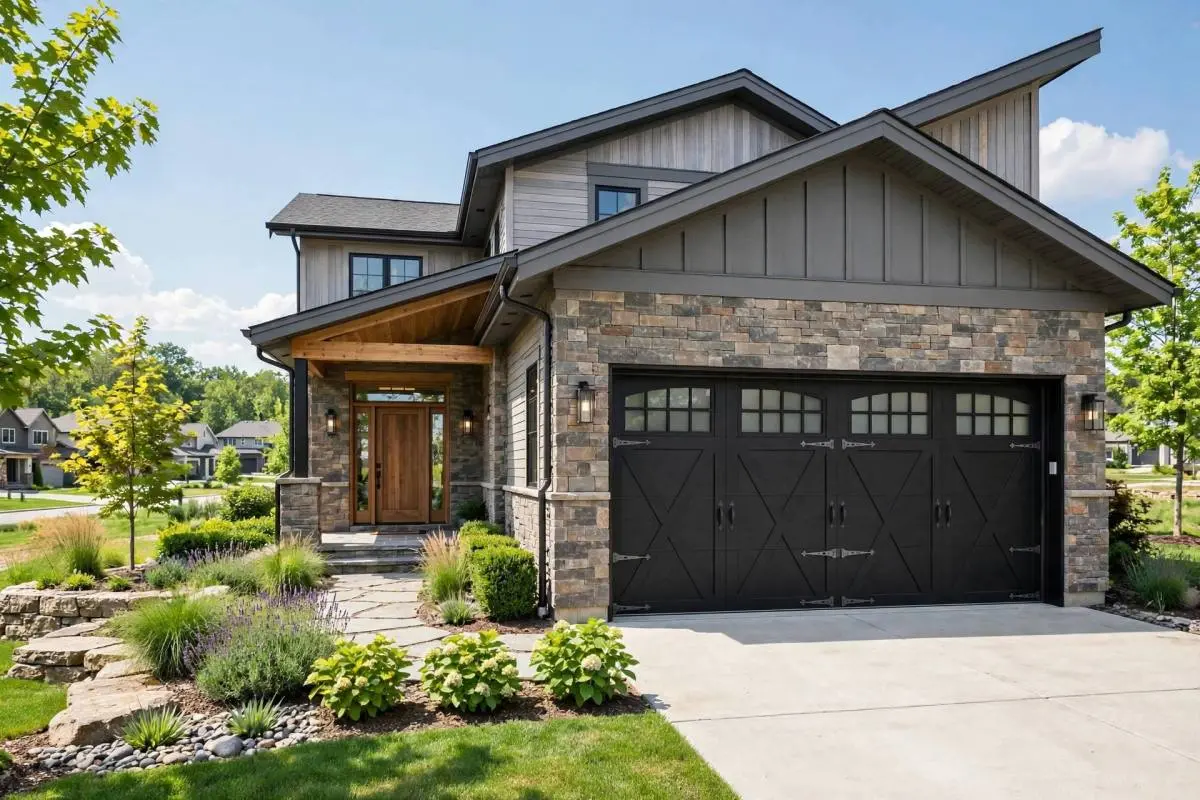
A garage door that sounds like a freight train is one of those problems that starts as a minor annoyance and slowly turns into something you dread every morning. If your door screeches, grinds, bangs, or rattles on its way up and down, you're not alone — noise is one of the most common complaints homeowners have about their garage doors. The good news is that most noisy doors aren't broken. They're just worn, dry, loose, or slightly out of adjustment, and many of the fixes are quick and inexpensive. Before you spend a dime, play detective and figure out where the sound is actually coming from. Stand inside the garage while someone else runs the opener and listen closely. The type of noise tells you a lot: squeaking points to dry metal-on-metal contact, grinding suggests worn rollers or a strained opener, and banging usually means something is loose or out of balance. Once you know the cause, the fix is usually straightforward.
Start with the most common culprit: lack of lubrication. A garage door has dozens of moving metal parts — hinges, rollers, springs, and bearings — and when they run dry, every cycle becomes a screeching event. The fix is a proper garage door lubricant, a job you can knock out in about fifteen minutes. Use a silicone-based spray or white lithium grease on the hinges, roller bearings, springs, and the metal shafts the rollers spin on. Wipe the parts down first so you're not grinding old grit into the metal. One important exception: never lubricate the tracks themselves. Greasy tracks cause the rollers to slip and slide instead of rolling, which makes noise worse and wears parts faster — a quick wipe with a damp cloth is all tracks need. Also skip WD-40 as a long-term fix; it attracts dust and dries out quickly. Do this every six months and you'll prevent a huge share of garage door noise complaints.
Next, grab a socket wrench and go over every nut, bolt, and screw on the door and track system. Garage doors vibrate thousands of times a year, and that constant movement slowly backs hardware out. Loose track brackets are a classic cause of rattling and banging, especially when the door changes direction at the top or bottom of its travel. Snug up the brackets holding the tracks to the wall and ceiling, but don't overtighten the bolts on the door panels themselves — cranking those down too hard can pull panels out of alignment. While you're at it, check the hinges between panels. A cracked or bent hinge lets the panel flex and pop as it moves through the curved part of the track. This whole inspection takes about twenty minutes and solves the problem more often than people expect. If you'd rather not climb around the hardware, a garage door technician can handle this tune-up as part of routine maintenance.
If the door still rumbles after lubrication and tightening, look at the rollers. Most older doors ride on metal rollers with unsealed bearings that get noisy as they wear — they sound like a shopping cart rolling across a parking lot. Upgrading to nylon rollers with sealed bearings is one of the best bang-for-your-buck quiet upgrades you can make. They're dramatically quieter, last longer, and a full set typically costs well under $50 in parts. Swapping the upper rollers is a reasonable DIY job, but the bottom rollers sit under tension from the lift cables, so leave those to a pro. Also check the track alignment itself: tracks should be perfectly parallel and angled slightly toward the back of the garage. A bent or out-of-plumb track makes rollers bind and grind as they pass. Minor bends can sometimes be tapped straight with a rubber mallet and a block of wood, but a badly bent track should be replaced.
Don't forget the opener. Chain-drive openers are naturally louder than belt-drive models, and a loose chain slaps against the rail with every cycle. Check your owner's manual for the correct tension — there's usually a simple adjustment nut on the trolley, and if the chain sags more than about half an inch below the rail, tighten it up. The opener's mounting hardware matters too: if the motor unit shakes on its ceiling bracket, that vibration travels through the ceiling joists and amplifies everything. Make sure the mounting straps are tight and consider adding rubber isolation pads between the motor and the bracket. If your opener is more than 12–15 years old and still chain-driven, upgrading to a modern belt-drive model can cut noise dramatically — and new units include safety and convenience features older ones lack. A garage door service can advise whether your current opener is worth keeping.
Some noises are warning signs you shouldn't ignore. A loud bang followed by a door that refuses to open usually means a torsion spring has snapped — the single most dangerous garage door failure, because the door's full weight is suddenly uncontrolled. Never try to open, force, or repair a door with a broken spring; springs and cables store enough energy to cause serious injury. Frayed or rusty lift cables, a door that hangs crooked, or rollers popping out of the track are also professional-only jobs, not weekend projects. For everything else, set a simple maintenance rhythm: lubricate moving parts every six months, check and tighten hardware once a year, and test the opener's safety auto-reverse monthly by placing a 2x4 under the door's path. A door that gets this basic attention typically runs quietly for 15–20 years. Ignore it, and you'll be back to waking the neighborhood every morning.
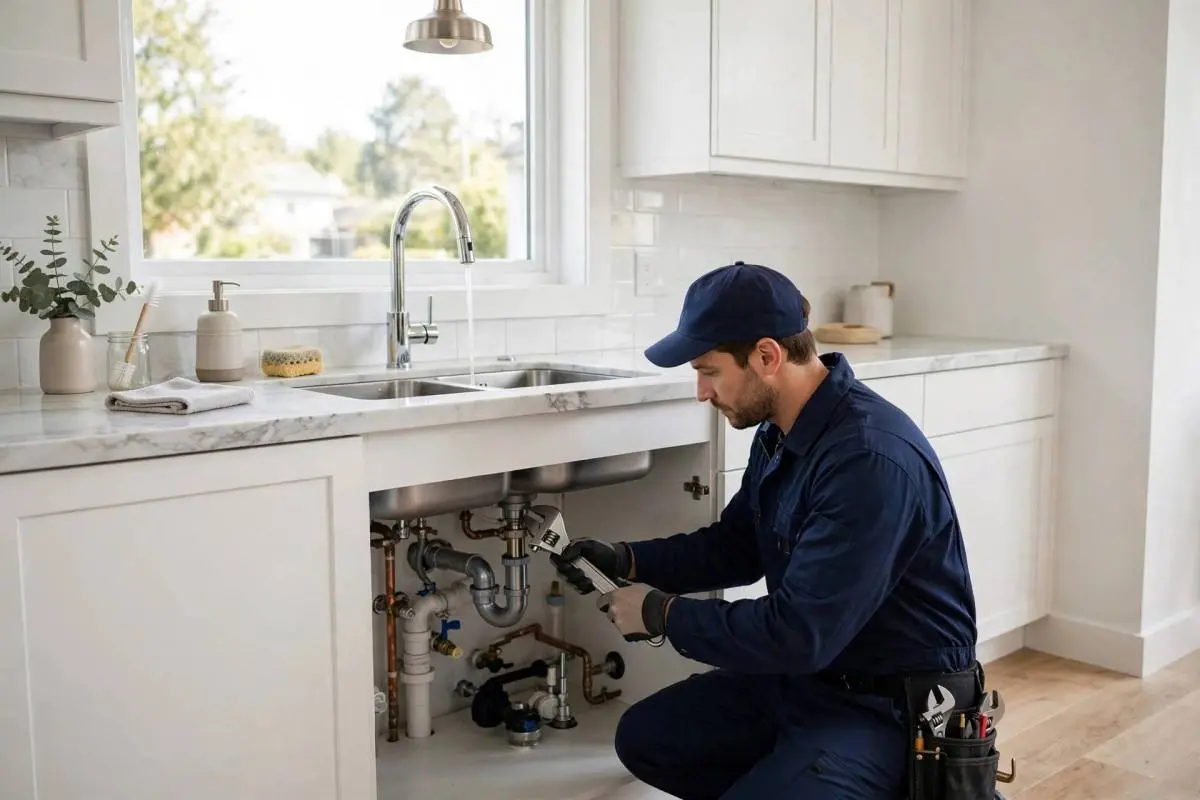
Weak showers and slow-filling faucets are more than an annoyance — they can signal hidden plumbing problems. Learn what causes low water pressure and how to fix it.
Read article →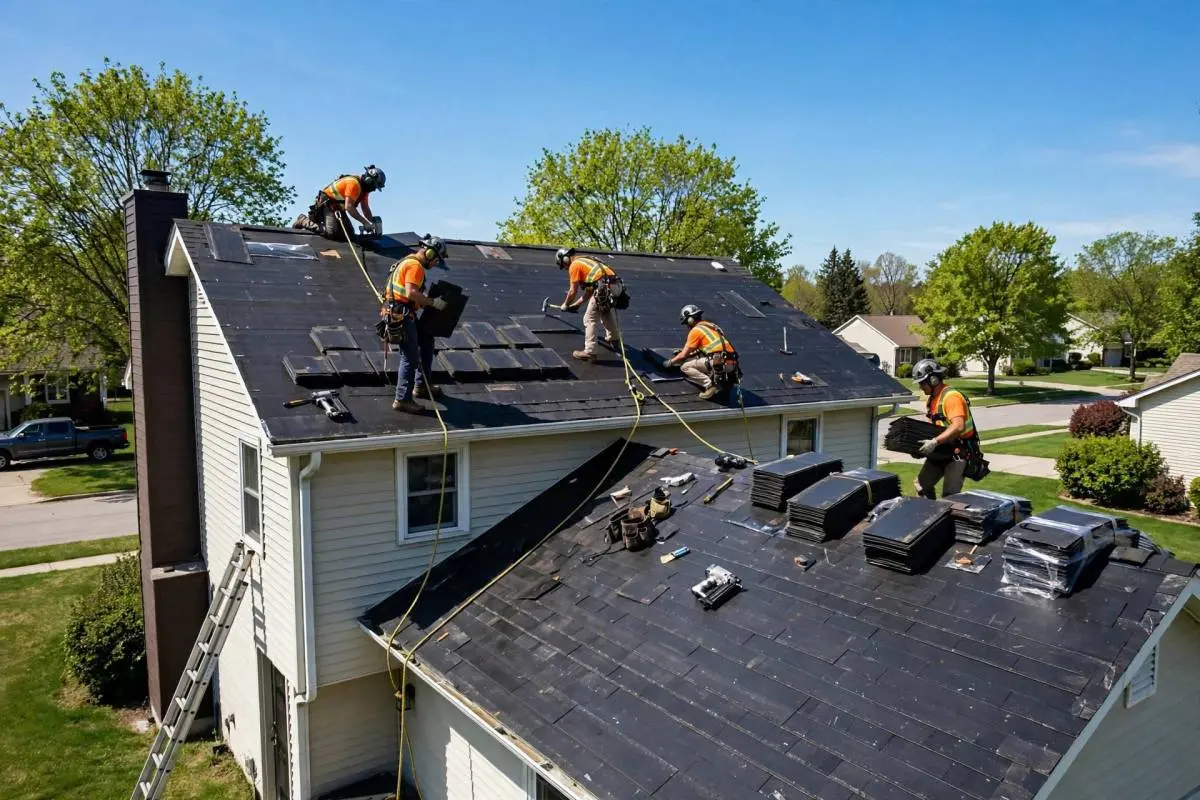
After hail, high winds, or a hurricane, a quick inspection can catch roof damage early. Use this step-by-step checklist before small problems become costly leaks.
Read article →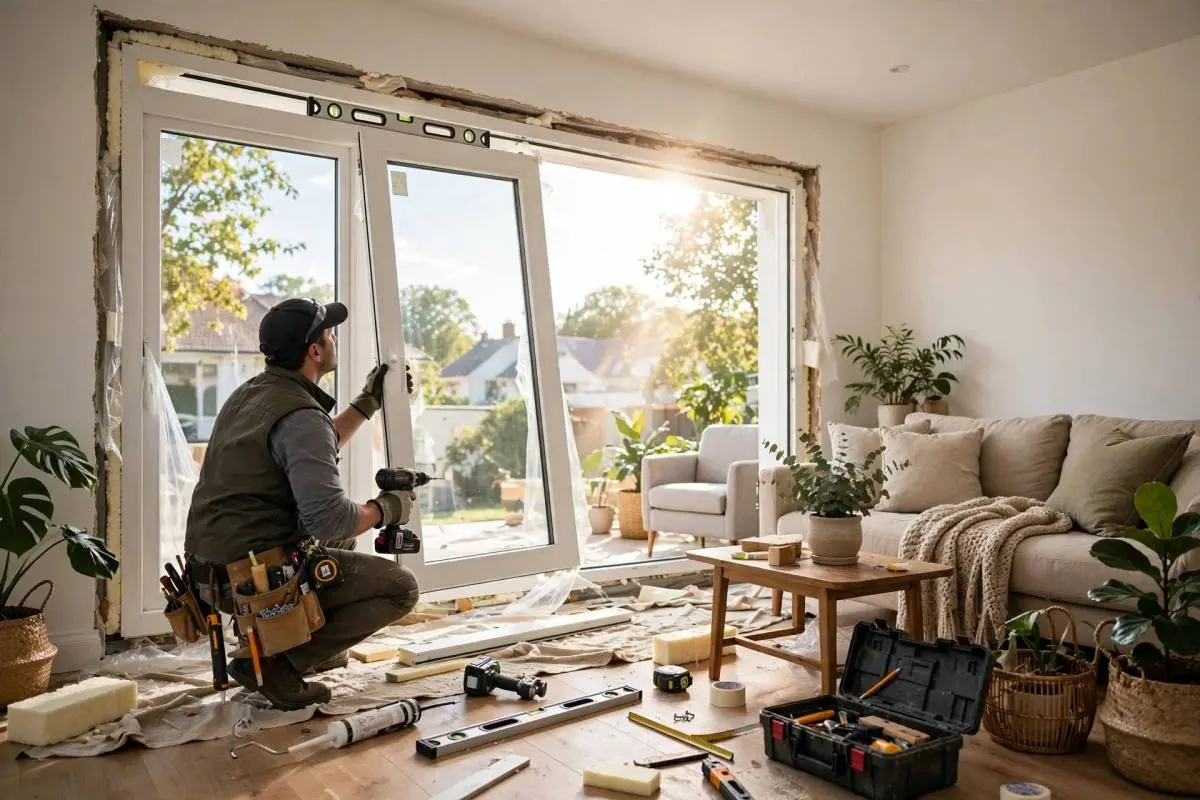
Triple-pane windows insulate better and hush outside noise — but cost 10–20% more. Learn when the upgrade pays off and when double-pane is the smarter buy.
Read article →Emergency? We answer 24/7 and dispatch the nearest certified technician — most arrivals in under 60 minutes.