What Causes Low Water Pressure and How to Fix It
Weak showers and slow-filling faucets are more than an annoyance — they can signal hidden plumbing problems. Learn what causes low water pressure and how to fix it.
Read article →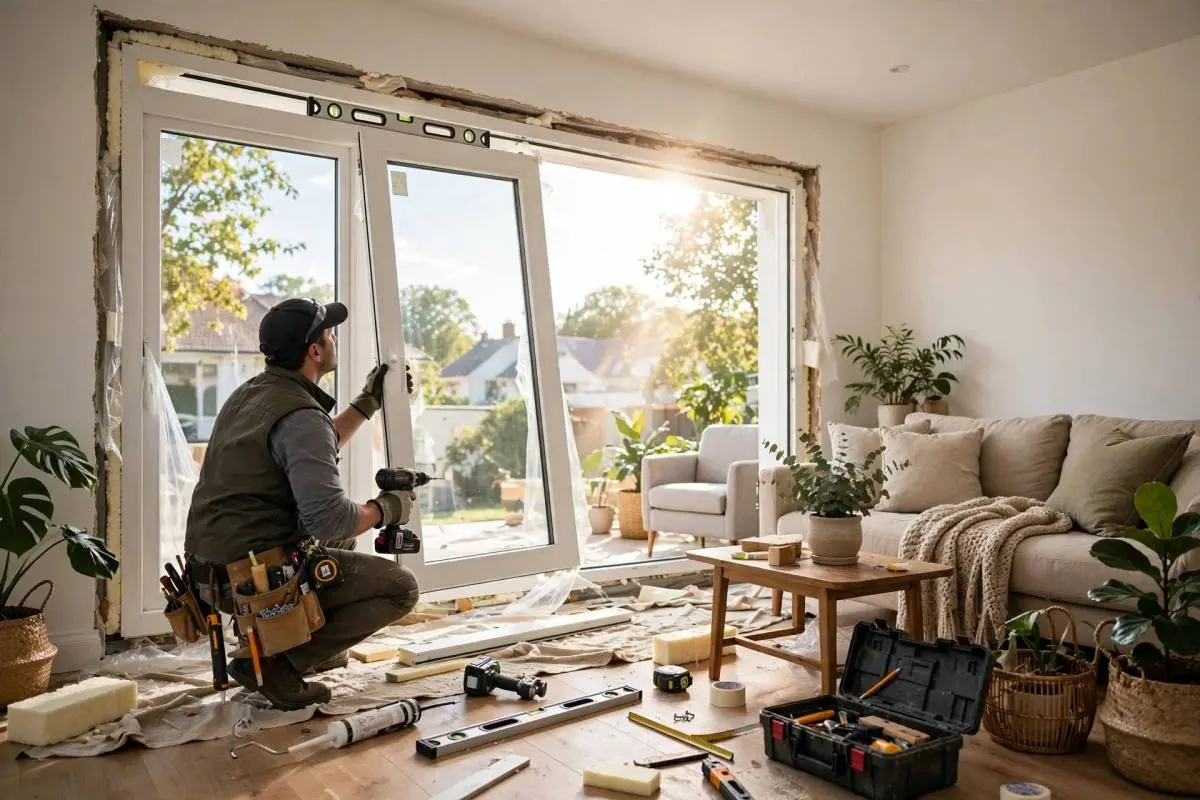
Shopping for new windows quickly turns into an alphabet soup of U-factors, SHGC ratings, and gas fills — and right in the middle of it sits the big question: should you pay extra for triple-pane glass, or is double-pane enough? It's a fair question, because the upgrade isn't cheap, and the honest answer depends on where you live, how long you plan to stay, and what problem you're trying to solve. Both options are miles ahead of old single-pane windows, and both can carry ENERGY STAR certification. The difference is in how far each one goes — and whether that extra distance is worth your money. Let's break down what you're actually buying before you sign a quote.
An insulated glass unit is more than stacked panes. In a double-pane window, two sheets of glass are sealed around a spacer, and the gap between them — usually about half an inch — is filled with argon gas, which insulates better than plain air. Triple-pane adds a third sheet and a second gas-filled chamber, sometimes using krypton, which insulates even better in thinner gaps. Both types typically carry low-E coatings: microscopically thin metallic layers that reflect heat while letting light through. Think of it this way: each pane and gas chamber is another blanket on the bed. The first extra blanket (double-pane over single) makes a huge difference. The second extra blanket (triple over double) helps — but the jump is smaller, which is exactly why the value question matters.
The performance gap is real but modest. A good double-pane window with low-E coating and argon fill typically rates around a 0.28–0.30 U-factor (lower is better); a comparable triple-pane lands around 0.18–0.22. In plain terms, triple-pane cuts heat loss through the glass by roughly 20–30% compared to double-pane. For a home in a cold climate with old, leaky windows, that can shave a noticeable chunk off winter heating bills — often cited in the range of $100–$300 a year for a whole-house upgrade, depending on climate and energy prices. Triple-pane also keeps the interior glass surface warmer, which means less of that chilly draft feeling near windows on cold nights, and it noticeably dampens outside noise — a genuine quality-of-life upgrade near busy roads. If your HVAC system runs constantly in winter, better glass lightens its load too.
Now the cost side. Triple-pane windows typically run 10–20% more than comparable double-pane units — for a standard installed replacement window, think roughly $450–$800 double-pane versus $550–$1,000 triple-pane, with premium sizes and styles climbing higher. Across a whole house of 15–20 windows, that premium adds up to a few thousand dollars. Simple payback math — dividing the extra cost by annual energy savings — often lands in the 10–20 year range in moderate climates, which is longer than many homeowners stay in one house. But payback isn't the whole story: comfort, noise reduction, and resale appeal don't show up in a utility-bill calculation. The mistake is assuming triple-pane is automatically the better window; it's the better-insulating glass, and whether that matters depends on your situation.
Triple-pane earns its premium in a few clear scenarios. If you live in a cold climate — think the Upper Midwest, New England, or mountain states — the heating-season savings and comfort gains are largest, and building codes in some northern zones are starting to push that direction anyway. If traffic, barking dogs, or a nearby highway intrude on your quiet, the extra pane and gas chamber cut sound transmission noticeably — ask about STC ratings if noise is your main complaint. Large expanses of glass, like picture windows or sliding doors, benefit disproportionately since glass dominates their heat loss. And if this is your forever home, the long payback horizon stops mattering; you'll enjoy warmer winters and quieter rooms for decades. In these cases, a quality window installation with triple-pane glass is money well spent.
Double-pane is the smarter buy when the math doesn't favor the upgrade. In mild climates with short heating seasons — much of the South and Southwest — the energy savings from a third pane are slim, and the payback stretches past the window's useful life. If budget is tight, putting the triple-pane premium toward more windows replaced, or toward air-sealing and attic insulation, usually delivers bigger total savings. Weight is a practical constraint too: triple-pane units are significantly heavier, and some older frames can't support them without full-frame replacement. And remember diminishing returns — upgrading from single-pane to double-pane captures the lion's share of the benefit; double to triple is incremental. Compare NFRC labels rather than pane counts, because an excellent double-pane unit outperforms a mediocre triple-pane every time. When in doubt, get quotes for both and ask the window installation contractor to show you the U-factor difference in writing.
Weak showers and slow-filling faucets are more than an annoyance — they can signal hidden plumbing problems. Learn what causes low water pressure and how to fix it.
Read article →
After hail, high winds, or a hurricane, a quick inspection can catch roof damage early. Use this step-by-step checklist before small problems become costly leaks.
Read article →
Flickering lights, burning smells, and warm outlets are not quirks. Here are seven warning signs that mean it is time to call a licensed electrician before a small issue becomes a dangerous one.
Read article →Emergency? We answer 24/7 and dispatch the nearest certified technician — most arrivals in under 60 minutes.