What Causes Low Water Pressure and How to Fix It
Weak showers and slow-filling faucets are more than an annoyance — they can signal hidden plumbing problems. Learn what causes low water pressure and how to fix it.
Read article →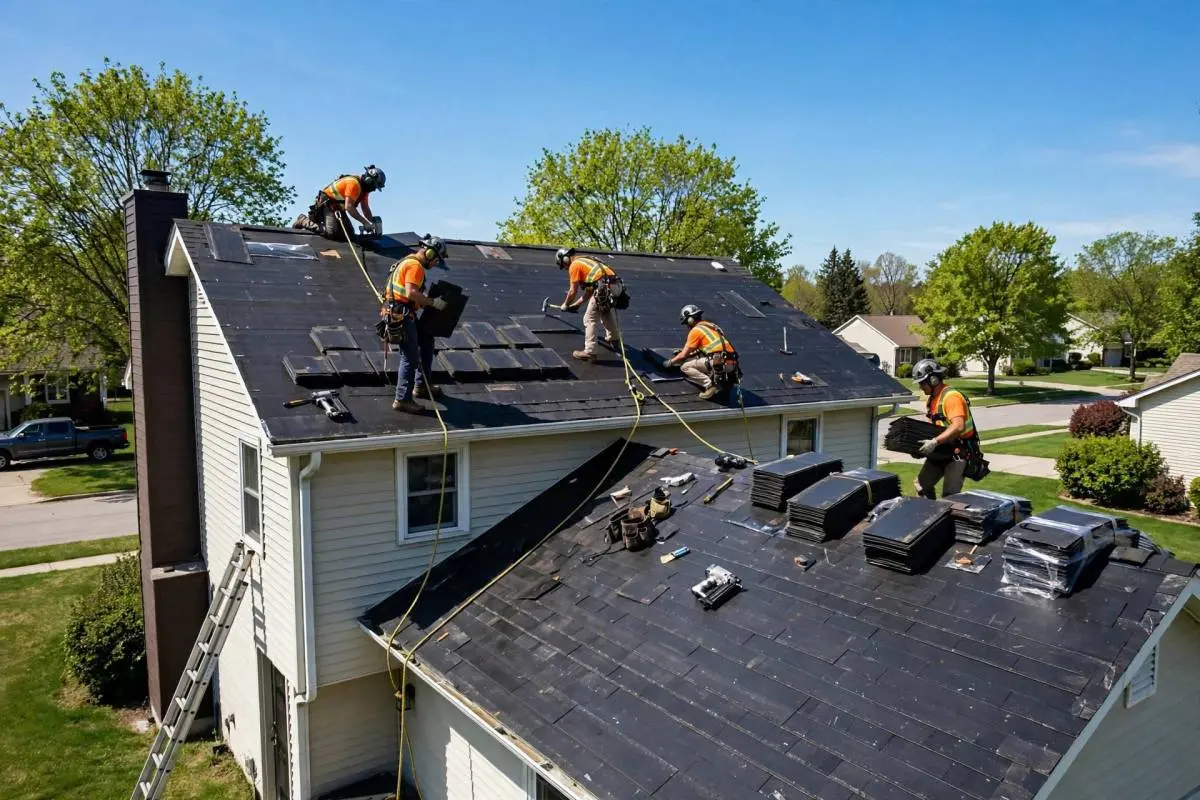
After a severe storm rolls through — hail, high winds, heavy rain, or falling branches — your roof takes the hit so the rest of your home doesn't have to. Damage is not always obvious. A roof can look fine from the driveway while missing shingles or cracked flashing are quietly letting water in, and by the time you notice a ceiling stain, the repair bill has multiplied. That is why a prompt, systematic inspection after every major storm is one of the smartest things a homeowner can do. This checklist walks you through what to look for, in what order, so you can catch problems early and document everything properly for an insurance claim if you need one.
Safety comes first — never climb onto a damaged roof yourself. Start your inspection from the ground with binoculars or your phone's zoom camera. Walk the perimeter of your home and look for the obvious: missing, cracked, or curled shingles; dented or displaced flashing around chimneys and vents; and debris like tree limbs sitting on the roof. Check the ground too — shingle granules piled at the base of downspouts look like coarse black sand and signal that your shingles took a beating. If you see large sections of missing shingles, sagging, or anything that looks structurally wrong, stop and call a roofing contractor for a professional assessment rather than investigating further yourself.
Next, examine your gutters, downspouts, and the roof's edges, since these areas reveal a lot about storm impact. Hail often dents gutters and downspouts even when shingle damage is hard to see, and dented metal is useful evidence for insurance adjusters. Look for gutters pulling away from the fascia, clogged valleys where debris has piled up, and bent or missing drip edge. Pay special attention to flashing — the metal strips around chimneys, skylights, vents, and where the roof meets walls. Lifted or torn flashing is one of the most common sources of post-storm leaks, and it is far cheaper to reseal or replace flashing now than to repair water damage inside your walls later.
The interior inspection is just as important as the exterior one, and many homeowners skip it. Head into your attic with a flashlight during or right after rain if possible. Look for damp insulation, water stains on the underside of the roof deck, daylight shining through cracks or holes, and any musty smell that suggests moisture is trapped. Then check your ceilings and walls on the top floor for new stains, bubbling paint, or peeling wallpaper — even small discolored spots deserve attention. Water can travel along rafters and show up far from the actual entry point, so note the location of every sign you find. Photos with timestamps are invaluable here.
If you find damage, documentation is your best friend — especially if you plan to file a homeowners insurance claim. Photograph everything before you clean up or make temporary repairs, and keep notes on the storm's date and severity. Most policies require you to mitigate further damage, so emergency tarping over a hole is expected and reimbursable, but save all receipts. Be cautious with door-to-door storm chasers who appear after big weather events; always verify licensing, insurance, and local references before signing anything. A reputable local roofing contractor will provide a written inspection report with photos, which carries real weight with adjusters.
Finally, think beyond the roof itself, because severe weather rarely damages just one thing. High winds can warp a garage door, crack window seals, or damage siding and fences — inspect those while you are at it. Schedule a professional roof inspection at least once after any storm with hail or winds over 60 mph, even if your own check found nothing; trained eyes catch bruised shingles and compromised seals that are easy to miss. An hour of careful checking today can save you thousands in hidden water damage tomorrow, and it gives you real peace of mind the next time dark clouds roll in.
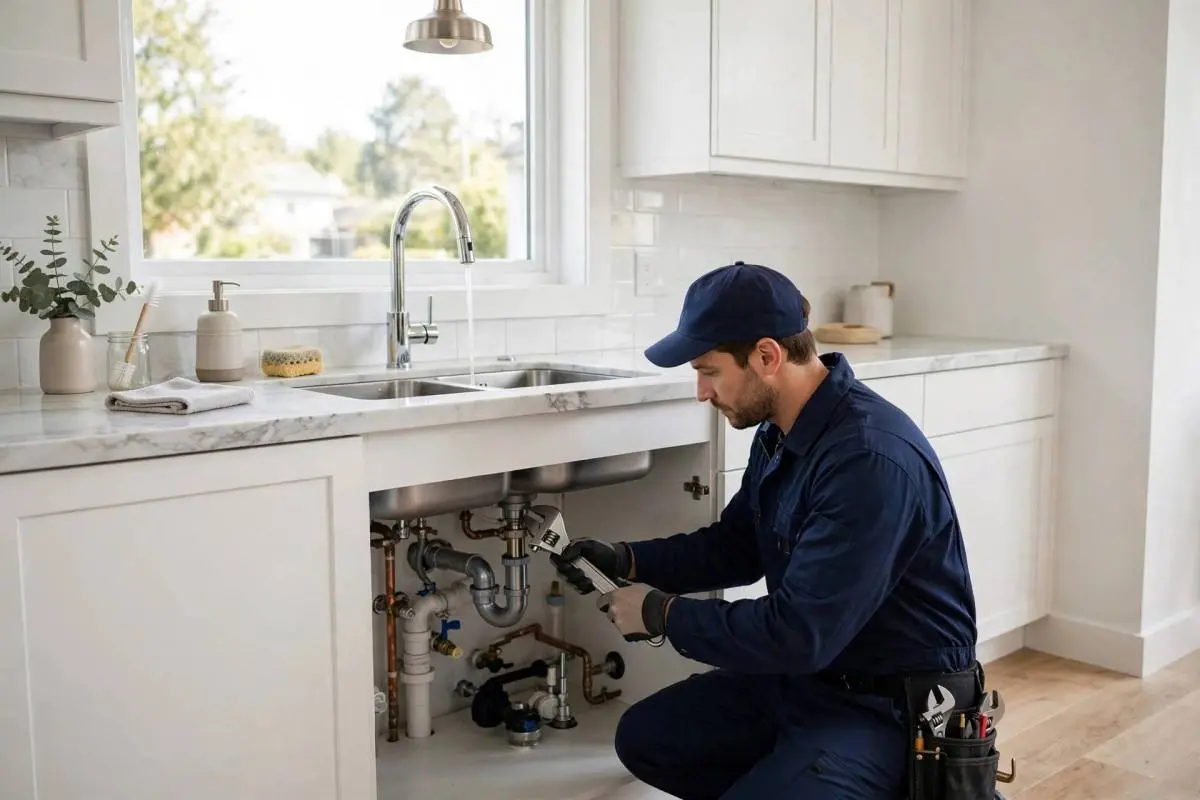
Weak showers and slow-filling faucets are more than an annoyance — they can signal hidden plumbing problems. Learn what causes low water pressure and how to fix it.
Read article →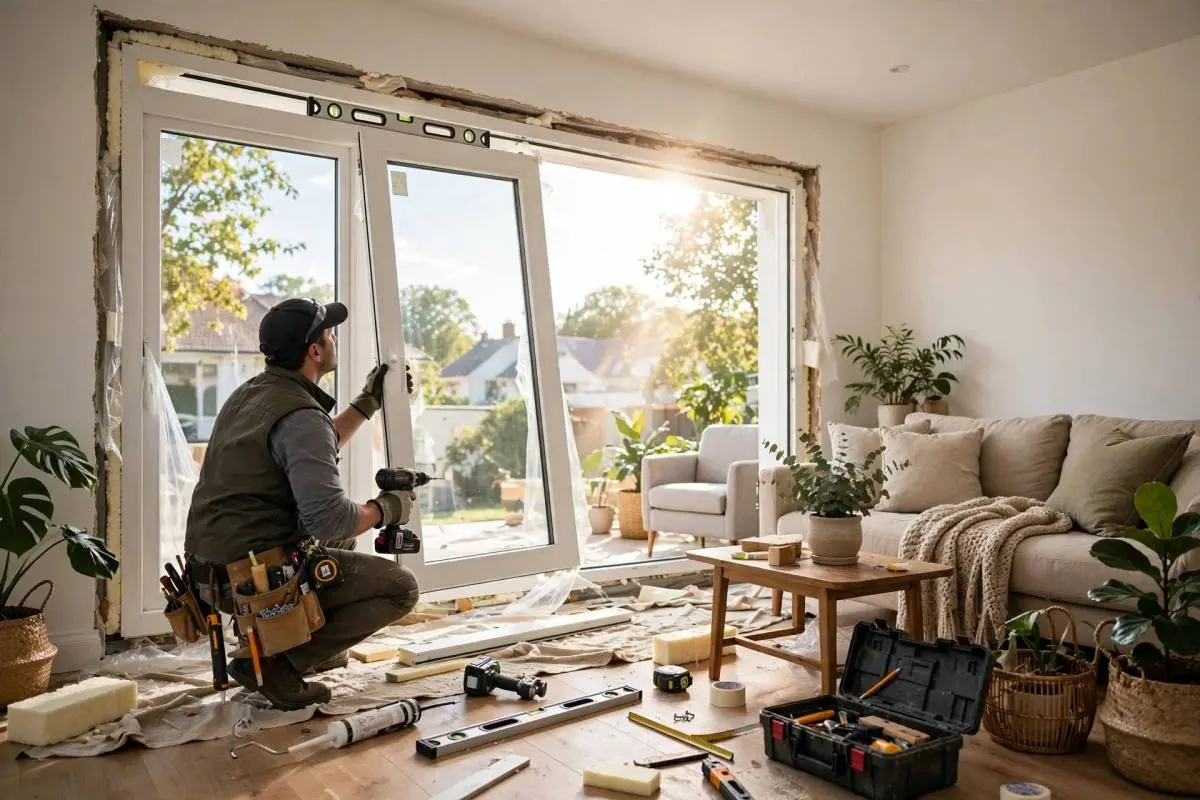
Triple-pane windows insulate better and hush outside noise — but cost 10–20% more. Learn when the upgrade pays off and when double-pane is the smarter buy.
Read article →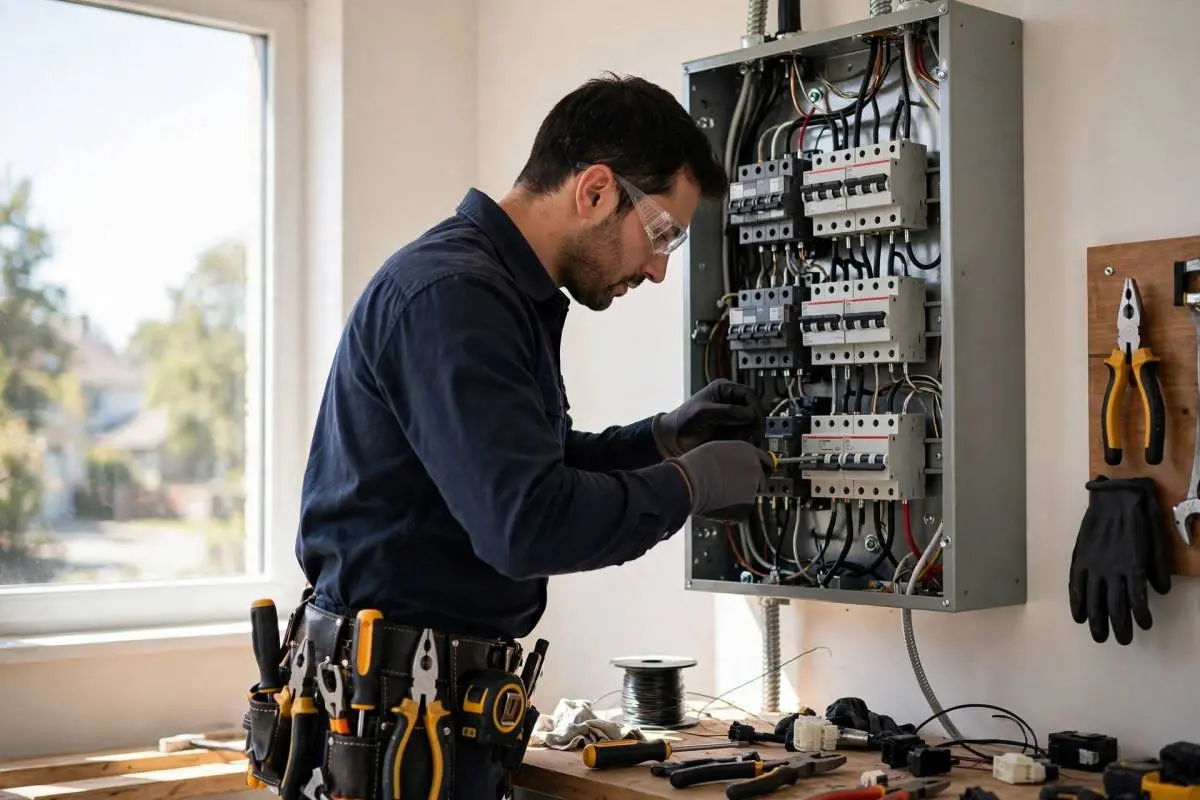
Flickering lights, burning smells, and warm outlets are not quirks. Here are seven warning signs that mean it is time to call a licensed electrician before a small issue becomes a dangerous one.
Read article →Emergency? We answer 24/7 and dispatch the nearest certified technician — most arrivals in under 60 minutes.