Storm Damage Roof Checklist: What to Inspect After Severe Weather
After hail, high winds, or a hurricane, a quick inspection can catch roof damage early. Use this step-by-step checklist before small problems become costly leaks.
Read article →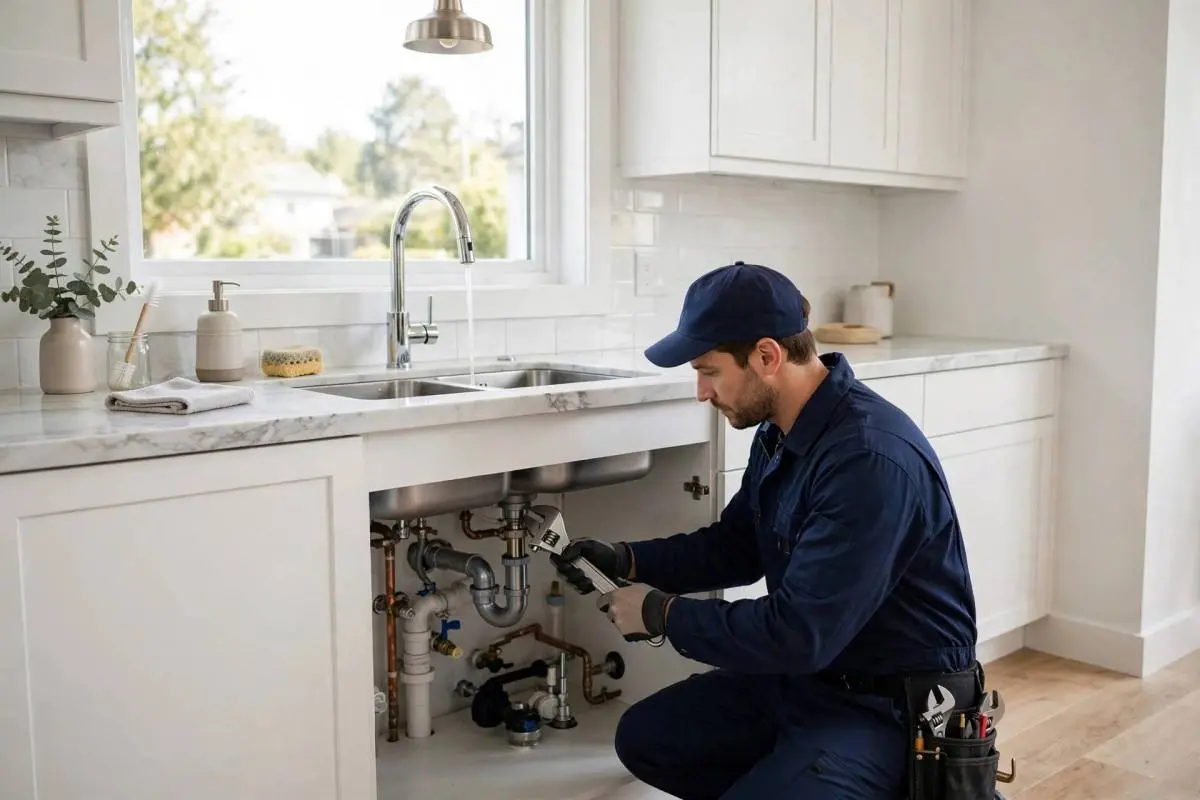
Low water pressure turns everyday tasks into frustrations: showers that barely rinse, faucets that dribble, and washing machines that take forever to fill. Before you can fix it, you need to figure out whether the problem is in one fixture or throughout the whole house, because the cause — and the fix — is very different in each case.
Start with the simplest test: is the pressure low at every fixture, or just one? If only one faucet or showerhead is weak, the problem is almost certainly localized. Unscrew the aerator on the faucet tip or remove the showerhead and look for mineral buildup, sediment, or debris clogging the screen. Soaking these parts in vinegar overnight dissolves most mineral deposits. This five-minute fix solves a surprising number of low-pressure complaints, especially in homes with hard water.
If pressure is low everywhere, check your main water shut-off valve first. Sometimes after plumbing work or a repair, the main valve is left partially closed — even a valve that is 90% open can noticeably reduce pressure. Make sure it is fully open (turn counterclockwise until it stops). If your home has a pressure regulator — a bell-shaped device on the main line where water enters the house — it may be failing or set too low. Normal household pressure is 40–60 psi; a faulty regulator can drop it well below that. A plumber can test your pressure with a simple gauge and adjust or replace the regulator in about an hour.
Hidden leaks are another whole-house culprit. A significant leak in your main water line diverts pressure before it ever reaches your fixtures. Warning signs include a sudden pressure drop, wet spots in the yard between your house and the street, the sound of running water when nothing is on, or a water bill that spikes for no clear reason. If you suspect a leak, turn off all water in the house and check your water meter — if it is still moving, water is escaping somewhere.
Corroded or scaled pipes are the most expensive cause, and the most common in older homes. Galvanized steel pipes, common in homes built before the 1960s, corrode from the inside over decades, narrowing the pipe until water can barely squeeze through. Hard-water mineral scale does the same thing to copper pipes over time. There is no cleaning out a corroded pipe — the only real fix is repiping the affected sections. If your home is 50+ years old with original galvanized plumbing, gradual pressure loss throughout the house is a strong sign that repiping is in your future.
Your water heater can also be the source of a pressure problem that only affects hot water. If cold water pressure is fine but hot water is weak everywhere, sediment buildup in the tank or a clogged hot-water line is likely. Flushing the water heater annually prevents most of this. Check with your municipal water supplier too — sometimes low pressure is a neighborhood-wide issue caused by main line work or a supply problem, in which case no amount of home plumbing work will fix it.
When you have ruled out the simple fixes and pressure is still low, it is time for a professional diagnosis. A licensed plumbing technician can measure pressure at multiple points, inspect for leaks with specialized equipment, and tell you exactly where the bottleneck is — whether it is a $50 regulator adjustment or a repiping job. Fixing it early usually costs less than waiting: low pressure from corrosion or leaks only gets worse, and leaks can cause serious water damage while you are putting off the call.
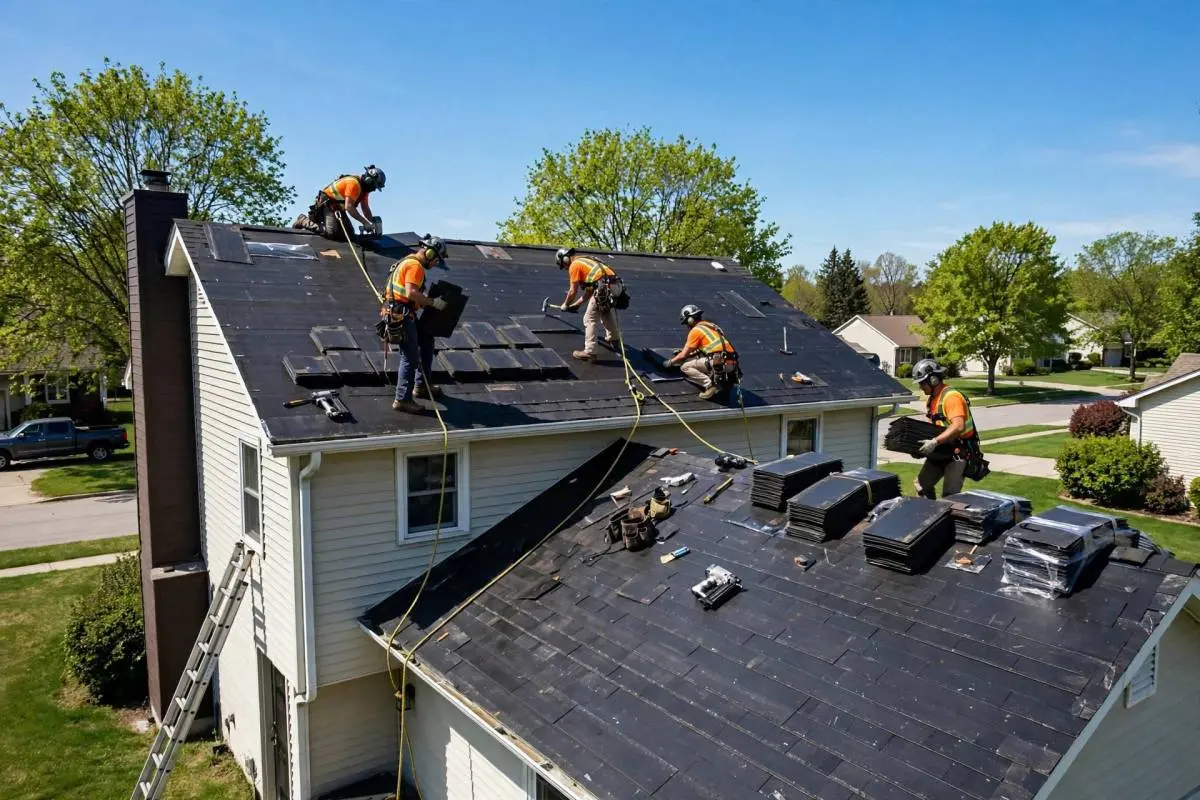
After hail, high winds, or a hurricane, a quick inspection can catch roof damage early. Use this step-by-step checklist before small problems become costly leaks.
Read article →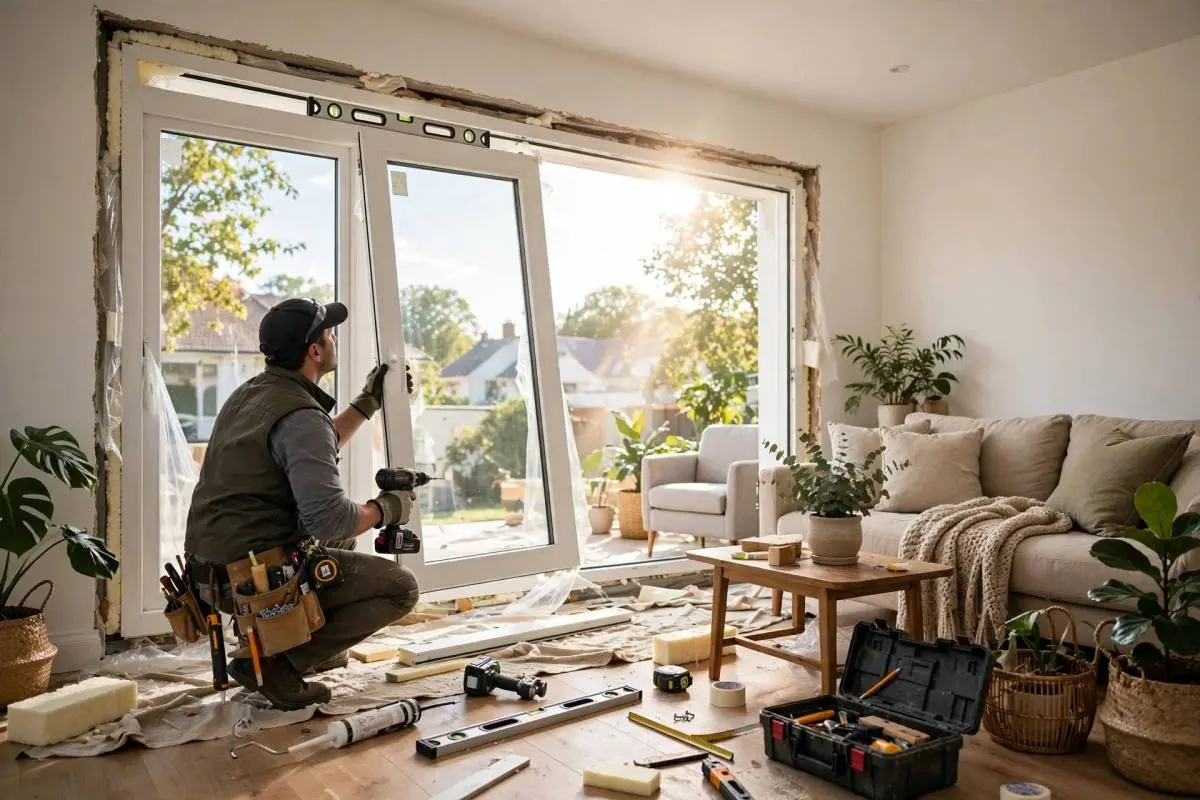
Triple-pane windows insulate better and hush outside noise — but cost 10–20% more. Learn when the upgrade pays off and when double-pane is the smarter buy.
Read article →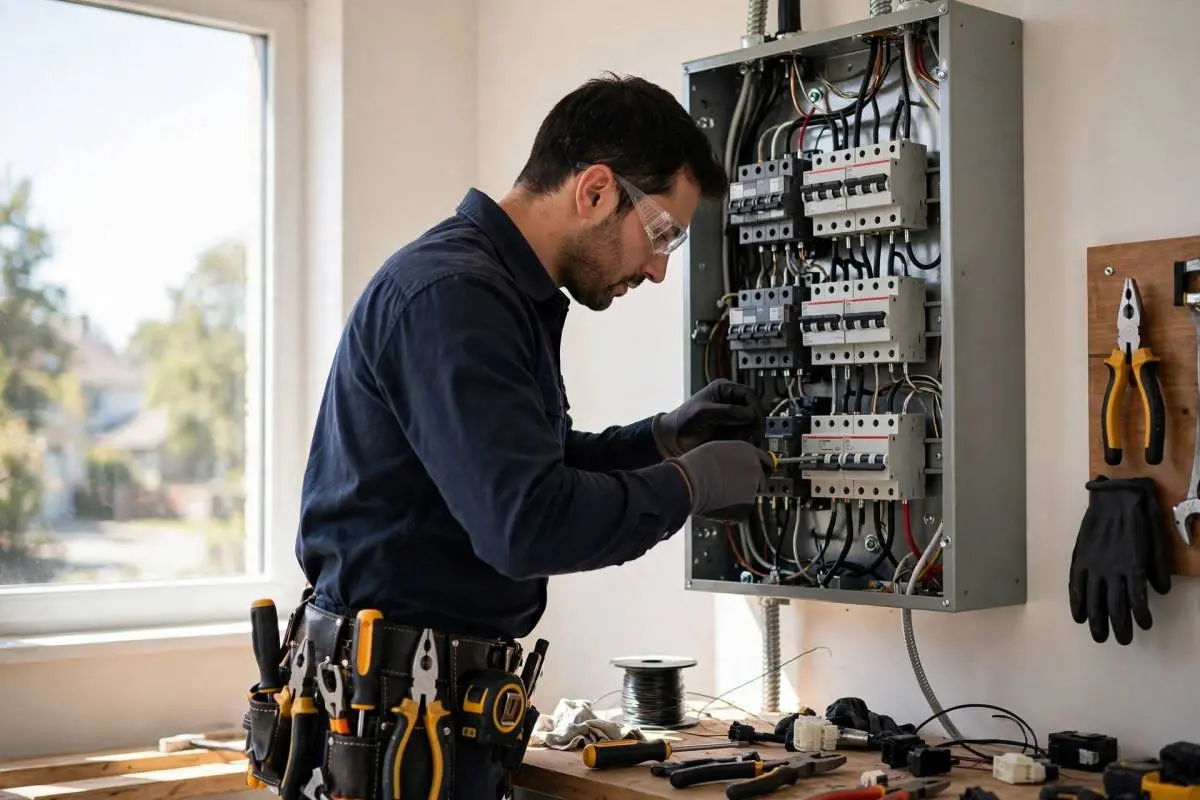
Flickering lights, burning smells, and warm outlets are not quirks. Here are seven warning signs that mean it is time to call a licensed electrician before a small issue becomes a dangerous one.
Read article →Emergency? We answer 24/7 and dispatch the nearest certified technician — most arrivals in under 60 minutes.