What Causes Low Water Pressure and How to Fix It
Weak showers and slow-filling faucets are more than an annoyance — they can signal hidden plumbing problems. Learn what causes low water pressure and how to fix it.
Read article →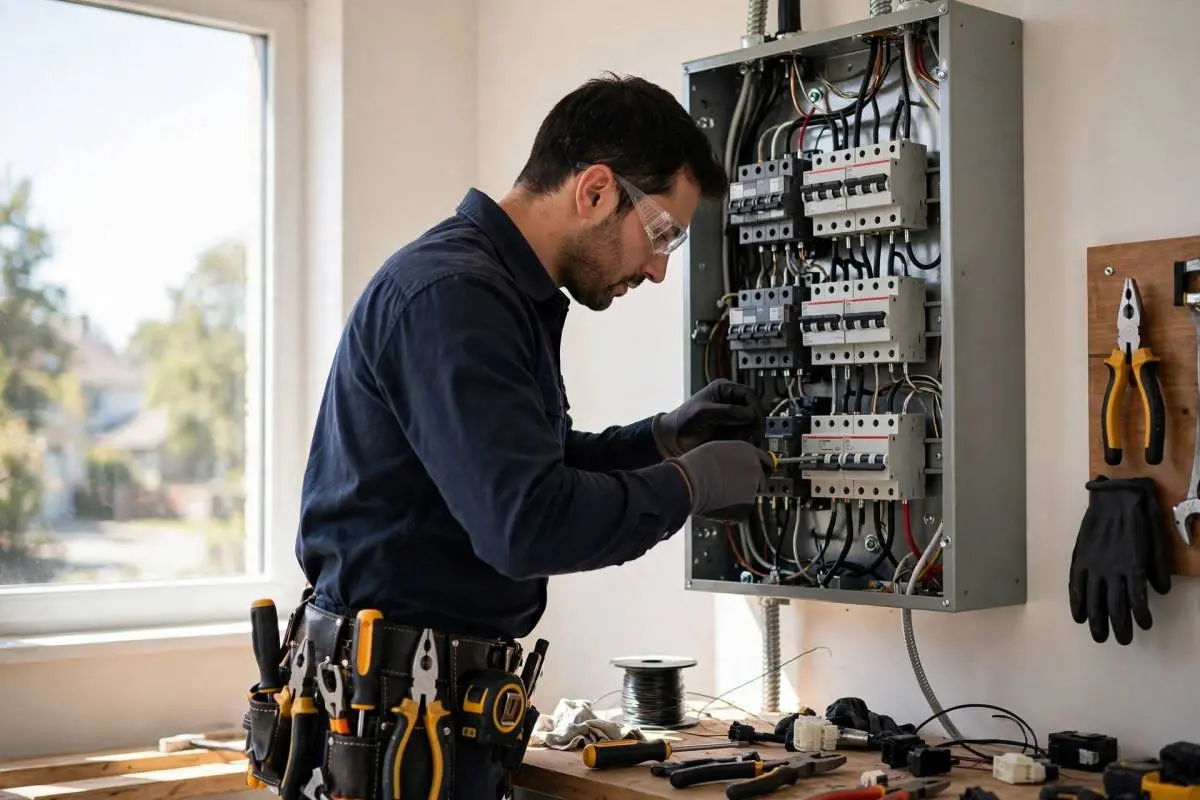
It's late, you're running the microwave and the space heater at the same time, and suddenly half the kitchen goes dark. Before you get frustrated with the breaker, know this: it just did exactly what it was built to do. A circuit breaker is a safety device, not a power switch. Its job is to cut power the instant the wiring behind your walls is in danger of overheating. Every trip is the breaker telling you something on that circuit needs attention, and the smart move is to listen to it instead of just flipping it back on.
To understand why breakers trip, it helps to know how they work. Every circuit in your home is rated for a maximum safe current, usually 15 or 20 amps. Inside the breaker, a thermal element reacts to sustained overloads and a magnetic element snaps open instantly during a massive surge of current, like a short circuit. When current exceeds the safe limit, the breaker opens the circuit and stops the flow of electricity. Resetting it is simple, flip it fully to the off position first, then back to on, but a breaker that trips again immediately is waving a red flag you should not ignore.
The most common cause of tripping, by far, is an overloaded circuit. This happens when you plug more demand into one circuit than it can safely carry. A space heater alone can draw 12.5 amps on a 15-amp circuit, so adding a hair dryer or a vacuum on the same circuit pushes it over the edge. The telltale sign of an overload is a pattern: the breaker trips whenever a certain combination of devices runs together. The fix is straightforward. Move one of the heavy devices to an outlet on a different circuit, and avoid daisy-chaining power strips full of high-draw appliances. If one room constantly overloads, that is a sign the circuit is undersized for how you use the room.
A short circuit is more serious. It happens when a hot wire touches a neutral wire, creating a sudden flood of current that the breaker stops in milliseconds. You will often notice a sharp popping sound, a flash, or a burning smell right before the trip. Unplug everything on that circuit and try resetting once. If the breaker holds with everything unplugged, plug devices back in one at a time until you find the culprit, which is often a damaged cord or a failing appliance. If it trips with nothing plugged in at all, the problem is in the wiring itself, and you should leave the breaker off and call a professional. Repeatedly forcing a tripping breaker back on can damage the breaker and overheat wires.
Ground faults are another dangerous cause. This is when a hot wire touches a grounded surface, like a metal appliance case or a damp outlet box, and it is common in kitchens, bathrooms, garages, and outdoor outlets where moisture is present. That is exactly why those locations have GFCI outlets with test and reset buttons, which cut power fast enough to prevent a serious shock. If a GFCI keeps tripping, press reset after unplugging everything on it. Moisture inside an outdoor outlet, a cracked extension cord lying in a puddle, or an aging appliance with worn insulation are usual suspects. Because ground faults involve shock risk, treat them with respect and do not bypass the GFCI.
Sometimes the breaker itself is the problem. Breakers are mechanical devices and they wear out, especially in older panels or in homes where a breaker has tripped dozens of times. A breaker that trips at loads well below its rating, feels hot, or will not stay reset even with the circuit empty may simply be failing. Modern arc-fault breakers, now required in bedrooms in most areas, can also nuisance-trip on certain electronics, treadmills, and older motors. These are not problems to diagnose by trial and error inside a live panel. A licensed electrician can test the breaker, check the panel for loose connections or corrosion, and tell you whether you need a replacement breaker or a panel upgrade.
So when should you stop troubleshooting and call for help? Call an electrician right away if you smell burning plastic, see scorch marks around an outlet, hear buzzing from the panel, or the panel itself feels hot. Also call if a breaker trips with nothing plugged in, or if the same breaker trips constantly with no clear pattern. Large appliances like HVAC systems, electric dryers, and water heaters should each be on their own dedicated circuit, and adding one is a routine job for a pro.
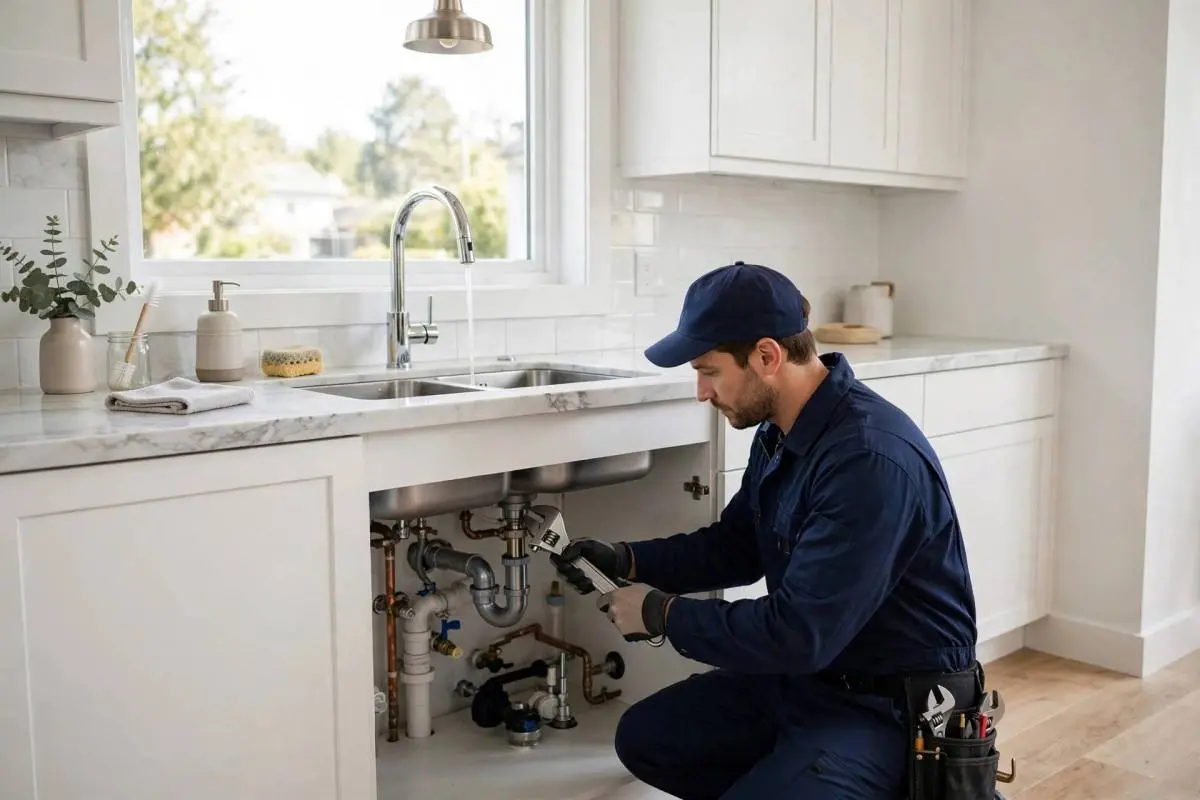
Weak showers and slow-filling faucets are more than an annoyance — they can signal hidden plumbing problems. Learn what causes low water pressure and how to fix it.
Read article →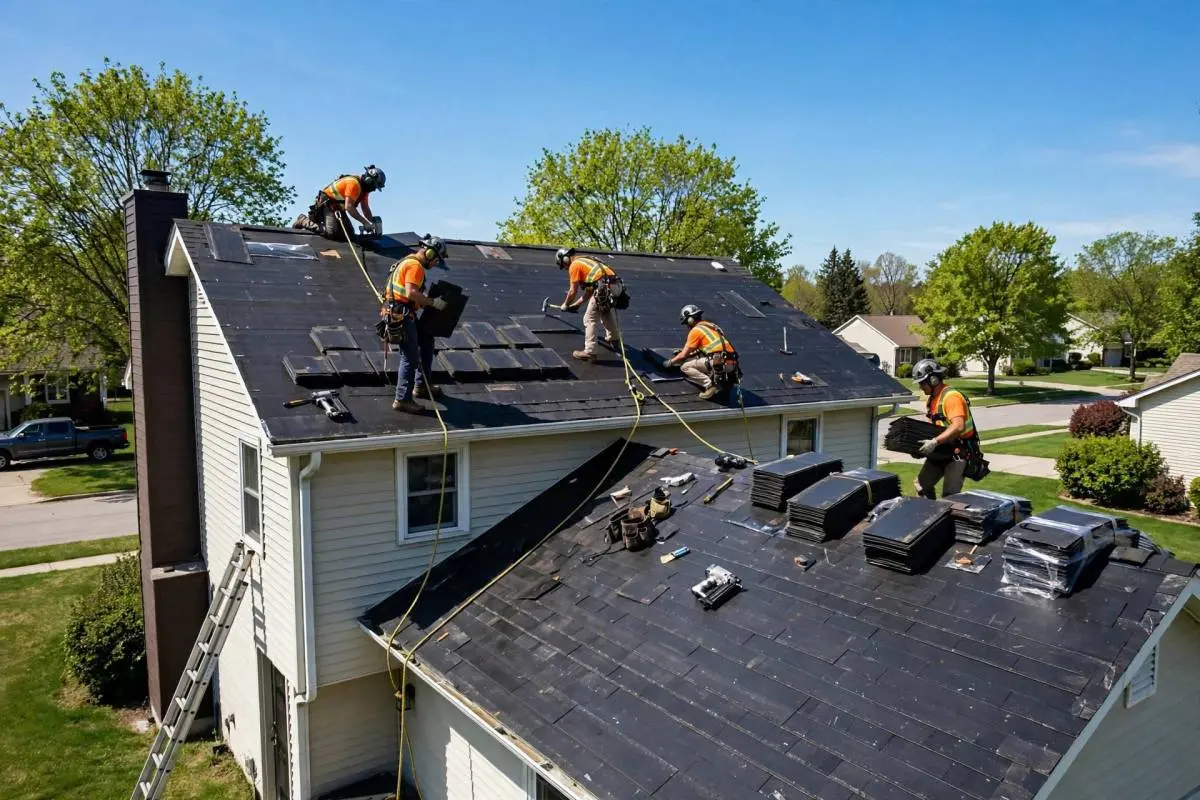
After hail, high winds, or a hurricane, a quick inspection can catch roof damage early. Use this step-by-step checklist before small problems become costly leaks.
Read article →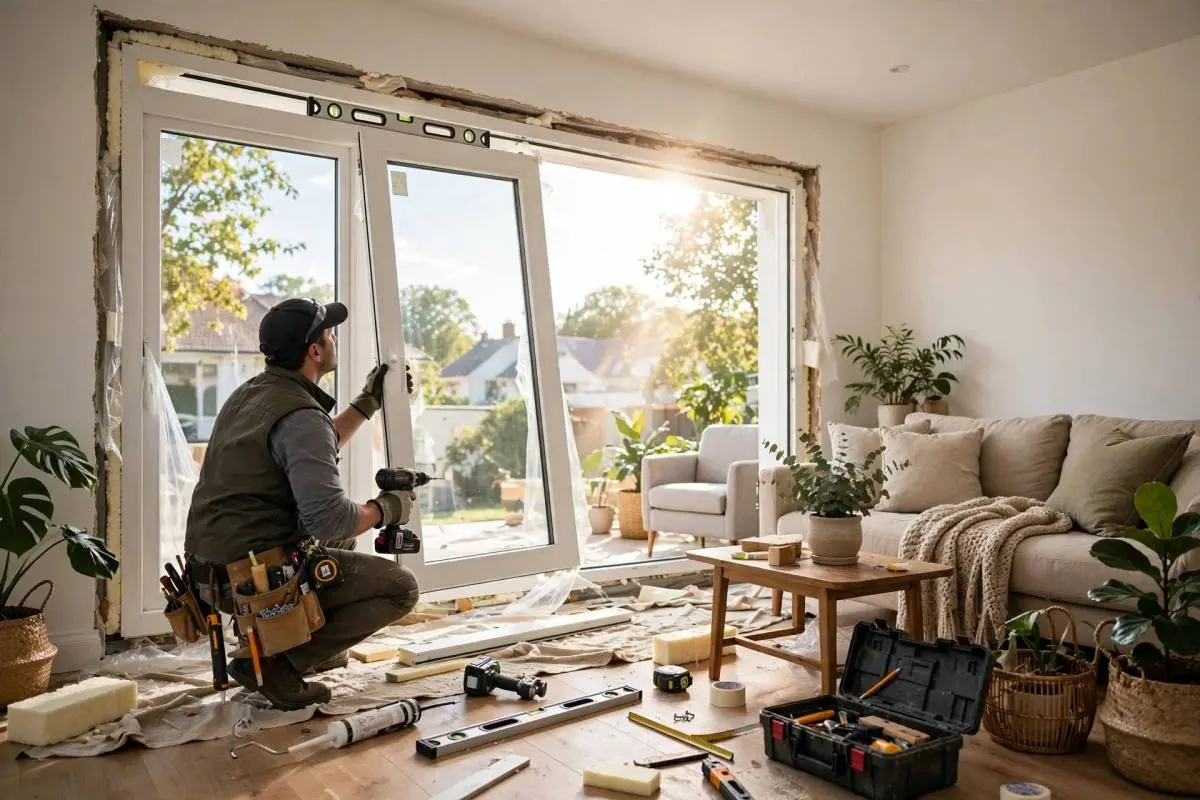
Triple-pane windows insulate better and hush outside noise — but cost 10–20% more. Learn when the upgrade pays off and when double-pane is the smarter buy.
Read article →Emergency? We answer 24/7 and dispatch the nearest certified technician — most arrivals in under 60 minutes.