What Causes Low Water Pressure and How to Fix It
Weak showers and slow-filling faucets are more than an annoyance — they can signal hidden plumbing problems. Learn what causes low water pressure and how to fix it.
Read article →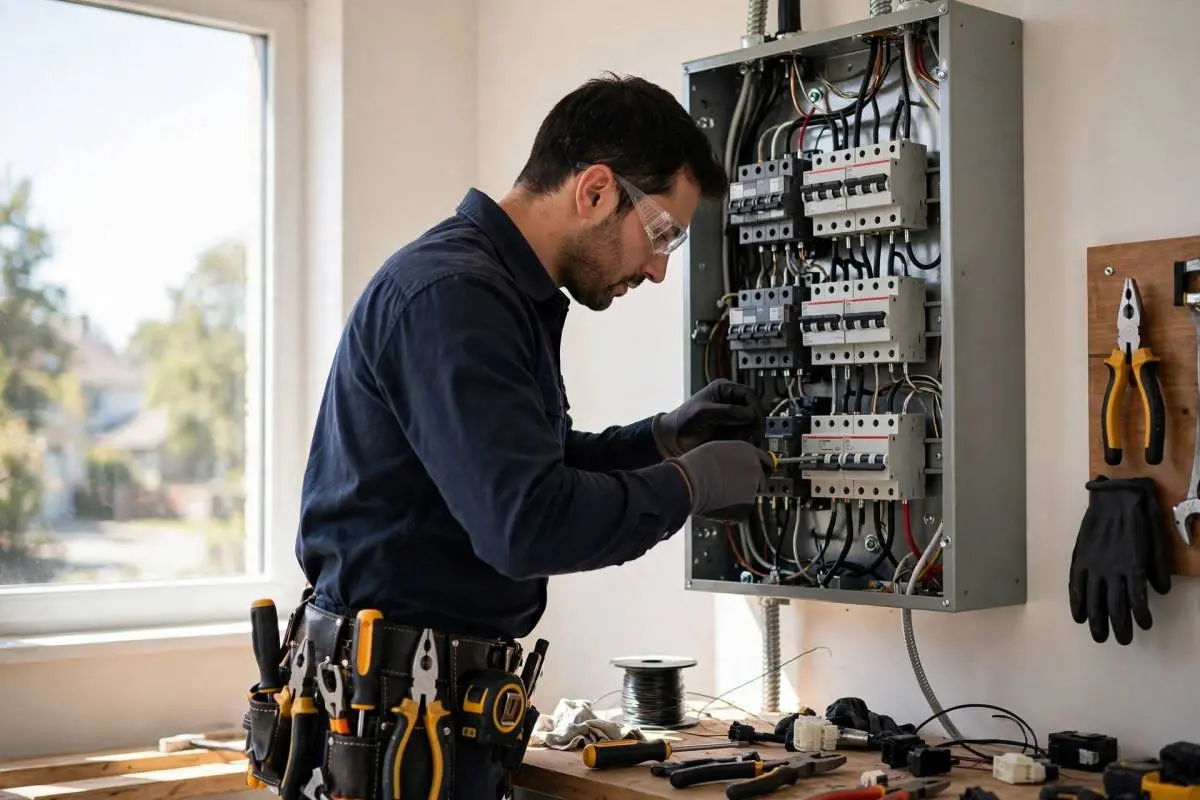
Most homeowners think of power surges as rare lightning events, but the surges that slowly kill your electronics usually come from much more ordinary sources. The utility grid switches loads every day, transformers hiccup, and large appliances like air conditioners cycling on and off send small spikes through your home's wiring. Individually these are tiny, but over months and years they degrade circuit boards, shorten appliance life, and cause the mysterious failures where a TV or a garage door opener just stops working one day.
A whole-house surge protector, technically called a surge protective device or SPD, is installed directly at your main electrical panel. Its job is simple: when voltage spikes above a safe level, it diverts the excess energy safely to ground before it can travel through your branch circuits. Think of it as a guard at the front door of your electrical system, while the power strips at your desk guard individual rooms. One unit protects the entire house, including hardwired equipment like your HVAC system's control board, which no plug-in strip can protect.
It is important to understand what an SPD can and cannot do. It is excellent at stopping the everyday surges from grid switching and appliance cycling, and it blunts the edge of distant lightning-induced spikes. It will not save your home from a direct lightning strike, which carries far more energy than any residential device can absorb. That is why electricians recommend layered protection: the whole-house unit handles the big stuff at the panel, and quality point-of-use protectors guard your most sensitive gear like computers and home theater equipment.
How does it compare to just using power strips? A decent surge strip is fine for a single desk setup, but most strips people actually own are old, cheap, or were never surge protectors at all, just multi-outlet adapters. Strips also do nothing for the expensive hardwired systems in your walls: the furnace control board, the smart thermostat, the dishwasher's electronics. Replacing one fried HVAC control board can cost more than a whole-house protector several times over, which is where the math starts to favor the panel-mounted unit.
Cost is usually the deciding question. The device itself typically runs $100 to $300, and professional installation by a licensed electrician generally brings the total to roughly $300 to $600, depending on your panel and local labor rates. Many quality units carry connected-equipment warranties, sometimes up to $50,000 or more, that pay out if a surge damages your electronics while the protector is properly installed. For a one-time cost in that range, you are buying insurance for every circuit board in the house.
So is it worth it? For most modern homes, yes. If you work from home, run a home theater, own an EV charger, or have already lost an appliance to a surge, it is an easy call. Homes in areas with frequent outages, brownouts, or overhead power lines see more surge activity and benefit the most. Even if your electronics are modest, the protection for hardwired systems alone often justifies it. It is one of the few upgrades that quietly protects everything else you own.
Installation is not a DIY project. The unit wires into your main panel, which means working inches from live service conductors, so this is firmly a job for a licensed electrician. Most installs take under two hours, and the electrician will confirm your panel has space and that your grounding system is sound, since a surge protector is only as good as the ground it diverts to. After installation, check the indicator lights occasionally; when they go out, the unit has absorbed its last surge and needs replacing. Many homeowners have it installed during a panel upgrade or other electrical work to save on labor.
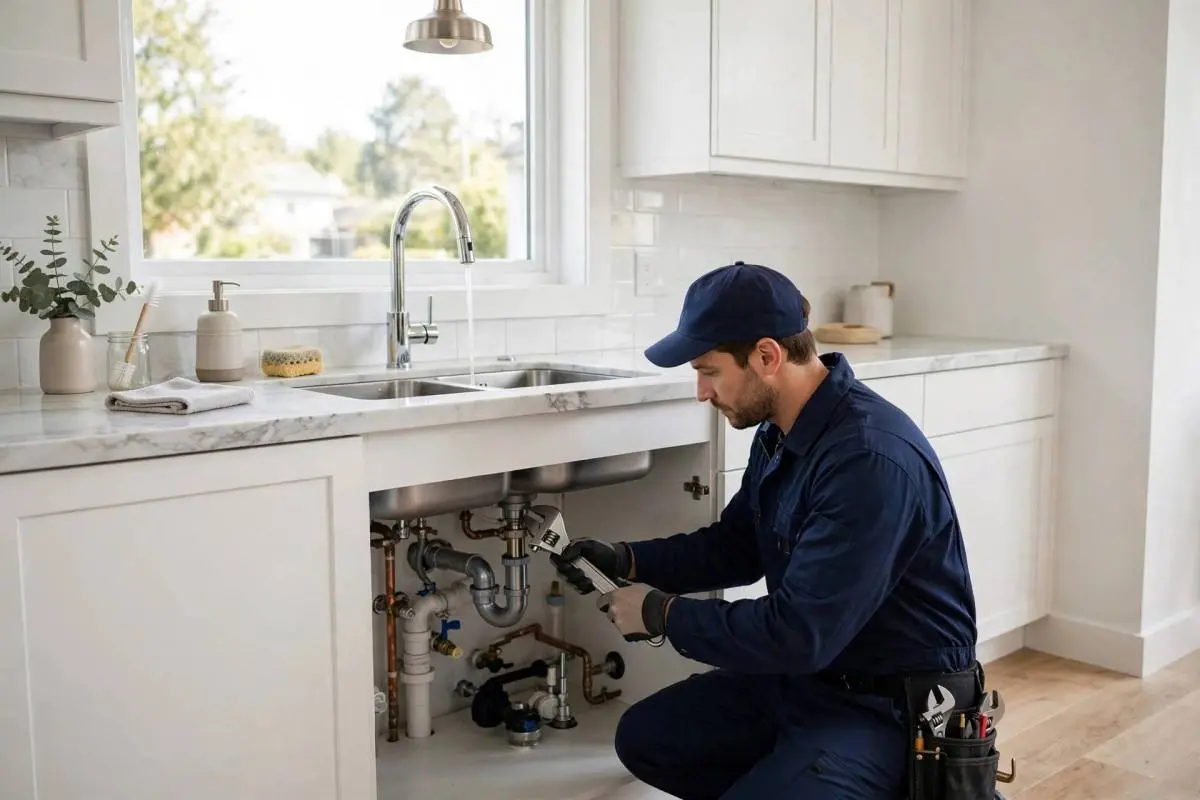
Weak showers and slow-filling faucets are more than an annoyance — they can signal hidden plumbing problems. Learn what causes low water pressure and how to fix it.
Read article →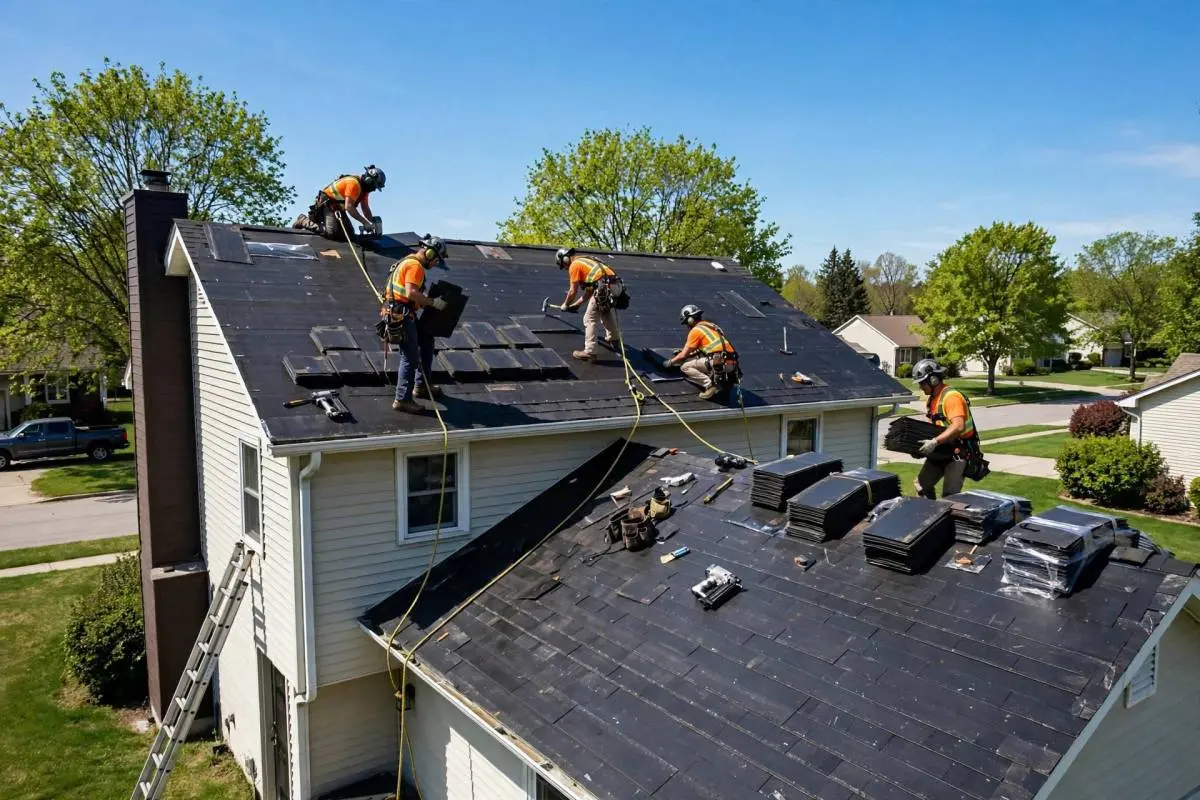
After hail, high winds, or a hurricane, a quick inspection can catch roof damage early. Use this step-by-step checklist before small problems become costly leaks.
Read article →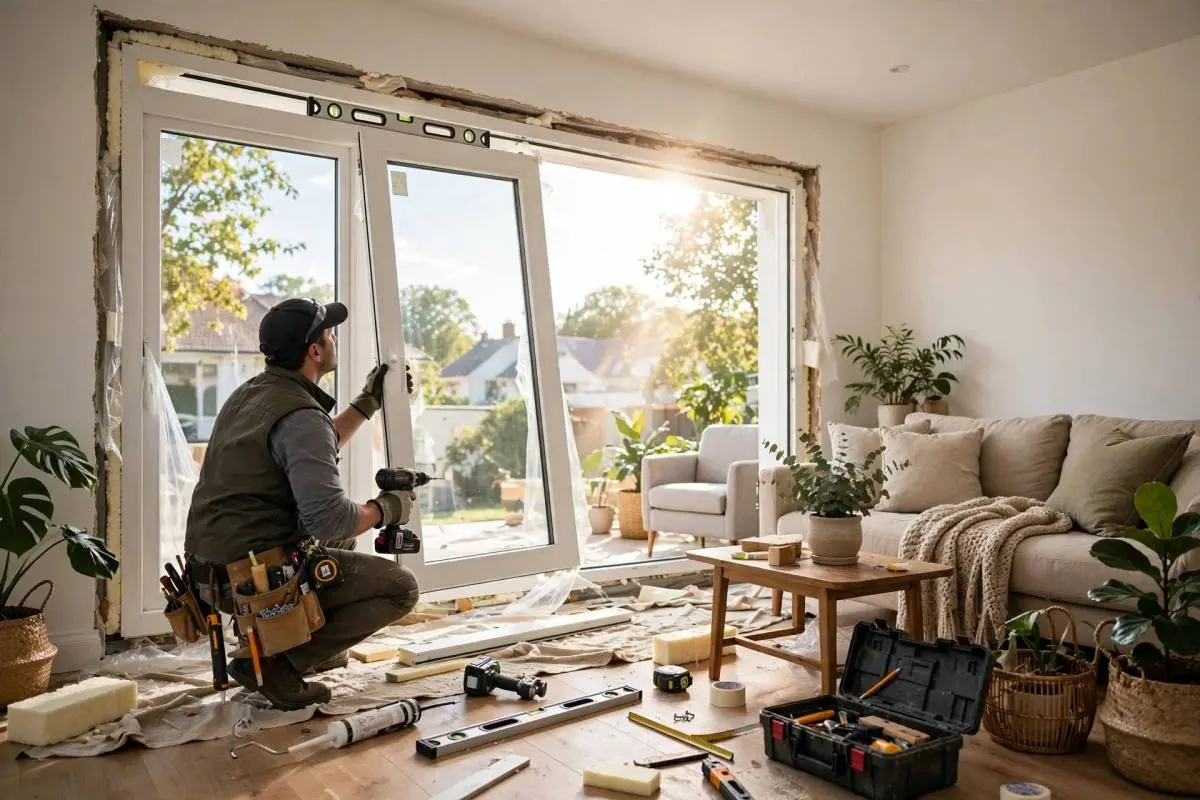
Triple-pane windows insulate better and hush outside noise — but cost 10–20% more. Learn when the upgrade pays off and when double-pane is the smarter buy.
Read article →Emergency? We answer 24/7 and dispatch the nearest certified technician — most arrivals in under 60 minutes.