What Causes Low Water Pressure and How to Fix It
Weak showers and slow-filling faucets are more than an annoyance — they can signal hidden plumbing problems. Learn what causes low water pressure and how to fix it.
Read article →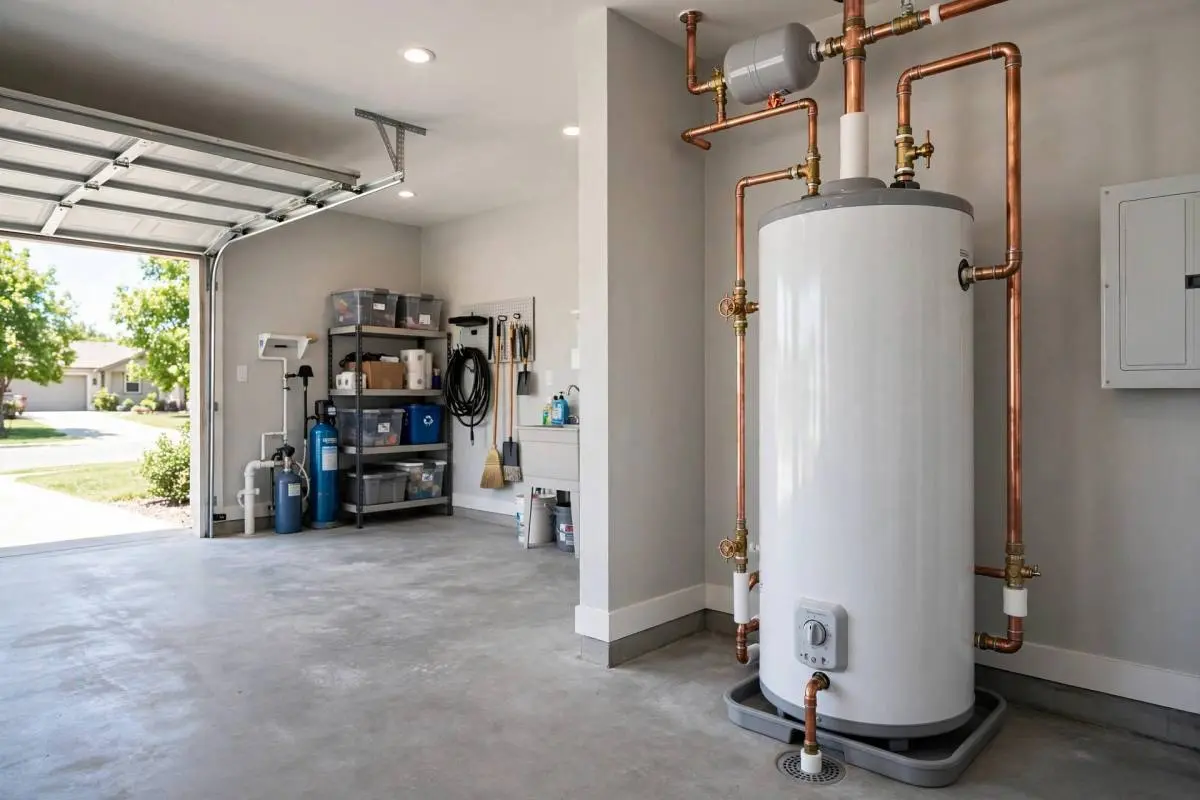
Nothing ruins a morning faster than stepping into a cold shower. Your water heater usually warns you long before it quits completely — if you know what to listen and look for.
Rusty or discolored hot water is one of the earliest red flags. It often means the inside of the tank is corroding. A little rust from old galvanized pipes is normal, but if the hot water alone runs brown, the tank itself is likely failing.
Strange rumbling or popping noises are another classic sign. Sediment builds up at the bottom of the tank over the years, hardens, and forces the burner to work overtime. Flushing the tank can help early on, but persistent noise in an older unit means replacement time is near.
Watch for water pooling around the base of the heater. Small leaks from fittings can sometimes be tightened, but moisture seeping from the tank body itself cannot be repaired — the steel has given up.
As a rule of thumb: a conventional tank water heater lasts 8–12 years. If yours is past 10 and showing any of these symptoms, replacing it proactively is far cheaper than dealing with a burst tank and water damage.
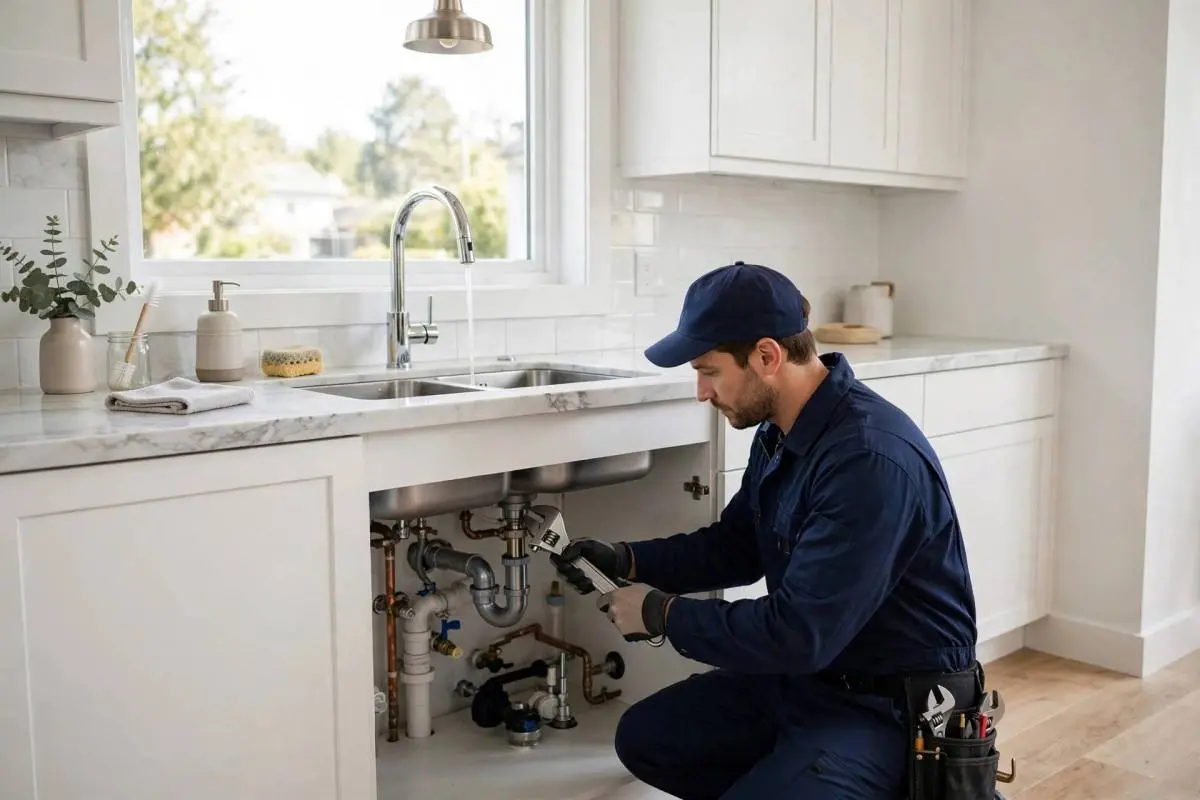
Weak showers and slow-filling faucets are more than an annoyance — they can signal hidden plumbing problems. Learn what causes low water pressure and how to fix it.
Read article →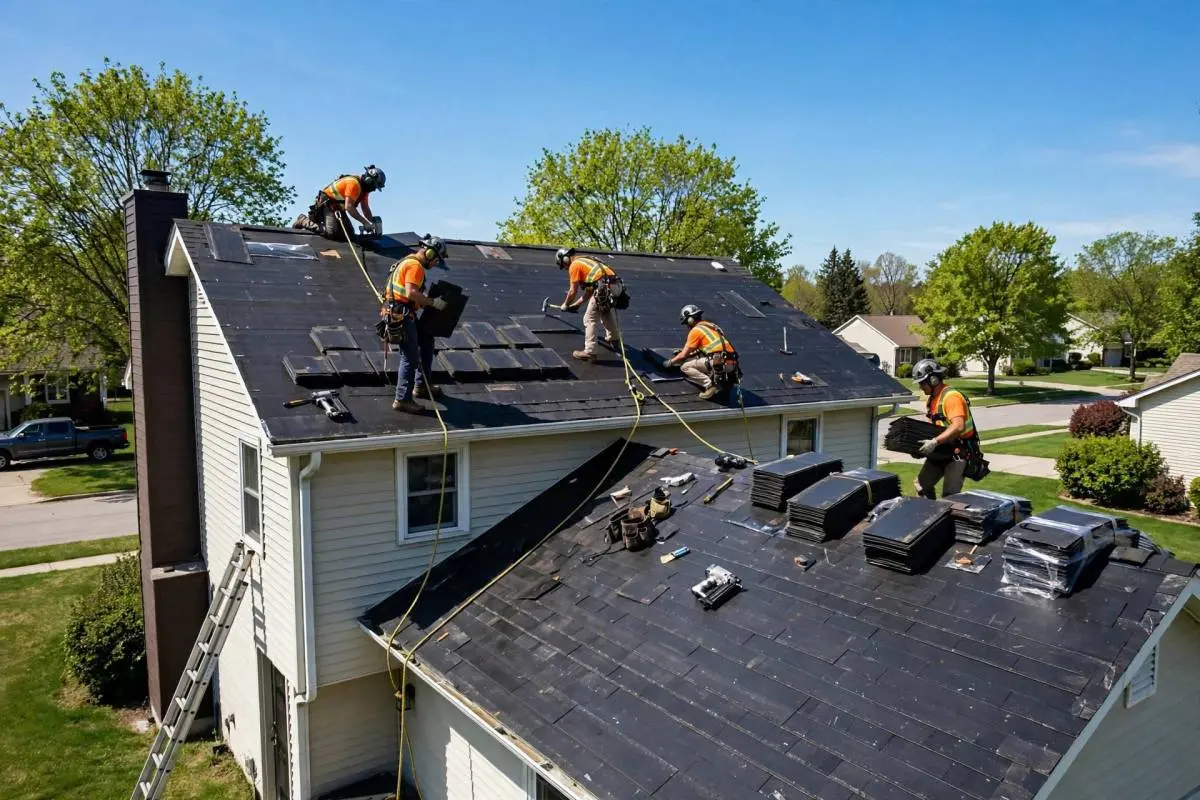
After hail, high winds, or a hurricane, a quick inspection can catch roof damage early. Use this step-by-step checklist before small problems become costly leaks.
Read article →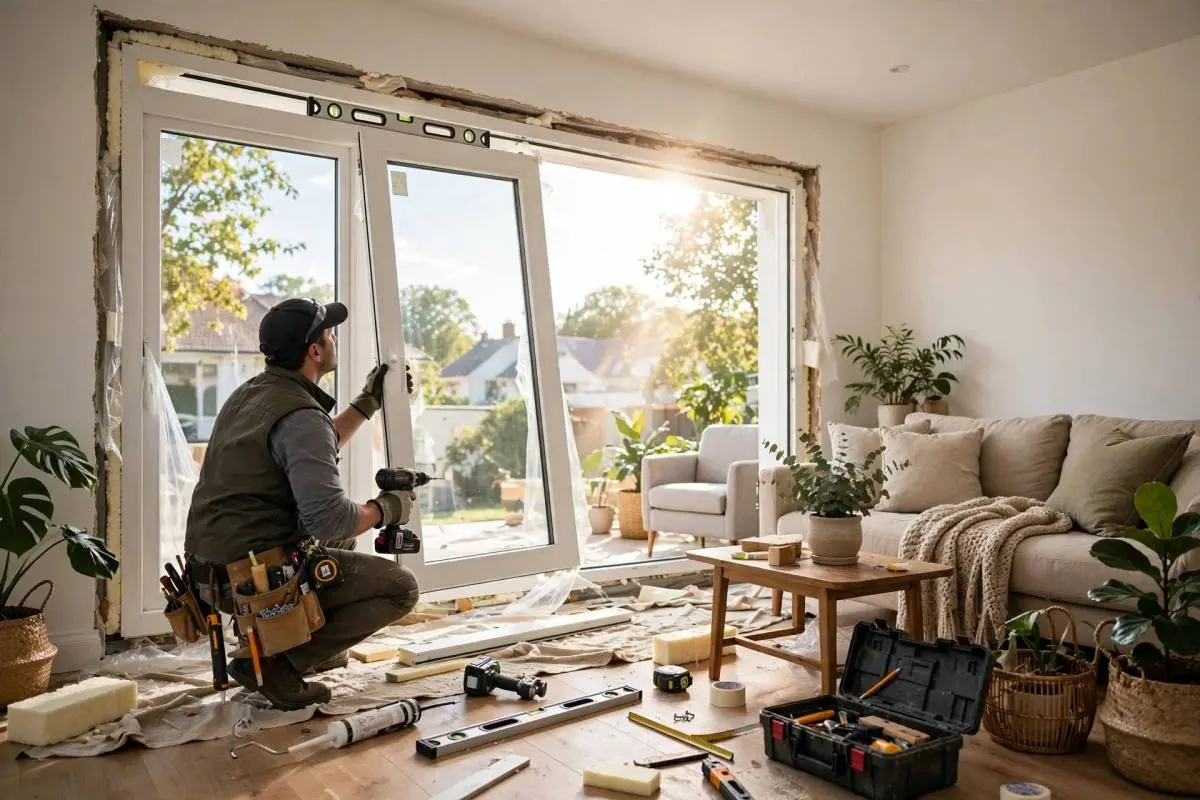
Triple-pane windows insulate better and hush outside noise — but cost 10–20% more. Learn when the upgrade pays off and when double-pane is the smarter buy.
Read article →Emergency? We answer 24/7 and dispatch the nearest certified technician — most arrivals in under 60 minutes.