What Causes Low Water Pressure and How to Fix It
Weak showers and slow-filling faucets are more than an annoyance — they can signal hidden plumbing problems. Learn what causes low water pressure and how to fix it.
Read article →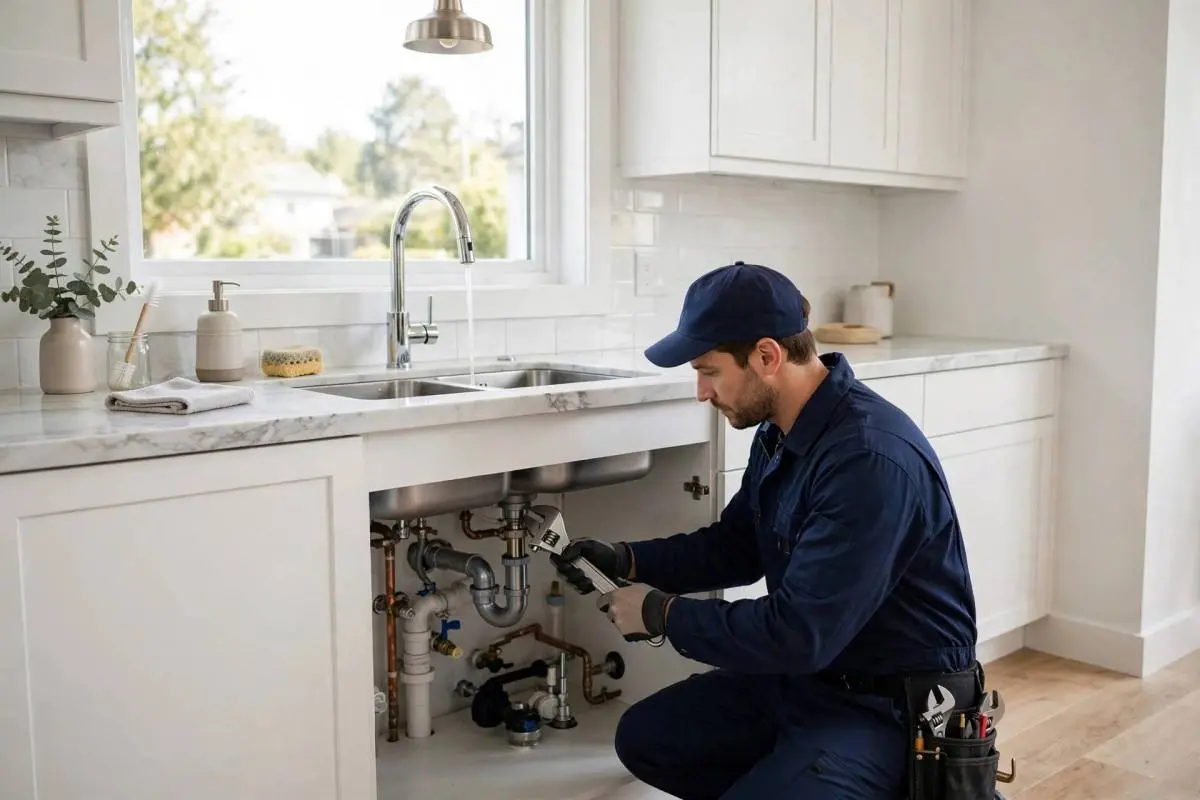
Choosing a new water heater is one of those decisions you only make every 8 to 15 years, so it is worth getting it right. The two main options — traditional tank water heaters and tankless (on-demand) water heaters — work very differently, and the best choice depends on your household size, your hot water habits, your budget, and your home's fuel type.
Traditional tank water heaters are the familiar option: a 40- to 80-gallon insulated tank that keeps a large volume of water hot around the clock. Their biggest advantages are simplicity and upfront cost. A tank heater typically costs less to buy and install (roughly $1,000–$1,800 installed for a gas model), parts are widely available, and any plumber can service one. The downside is standby heat loss — the tank constantly burns energy to keep water hot whether you use it or not — and you can run out of hot water if demand exceeds the tank's capacity.
Tankless water heaters heat water only when you turn on the tap, using powerful burners or electric elements to warm water as it flows through the unit. This means you effectively never run out of hot water, and energy bills can drop 20–30% because you are not paying to keep 50 gallons hot 24 hours a day. Tankless units are also smaller — about the size of a suitcase — and last roughly 20 years, nearly twice the lifespan of a tank heater. The trade-off is the upfront cost: tankless units typically run $2,500–$4,500 installed, and gas models often need a larger gas line and a dedicated vent, which adds to installation complexity.
Flow rate is the key spec to understand with tankless units. A tankless heater can only heat so many gallons per minute, and in cold climates where incoming water is very cold, its capacity drops. A single whole-house unit handles most homes fine, but if your household runs the dishwasher, washing machine, and two showers simultaneously during the morning rush, you may need a larger unit or even two. Tank heaters do not have this problem — the hot water is already sitting there waiting — but they do run out after heavy back-to-back use.
Your fuel type matters enormously. Gas tankless heaters are powerful and efficient, making them the most popular choice for whole-house tankless setups. Electric tankless heaters are simpler to install but can require a major electrical panel upgrade to handle the huge amperage draw — sometimes wiping out the installation savings. If your home has gas service, that is usually the deciding factor toward a quality gas unit. For electric-only homes, a high-efficiency heat-pump (hybrid) tank heater is often the sweet spot: it costs more than a standard tank but uses dramatically less electricity.
Maintenance is another real difference. Tank heaters benefit from annual flushing to remove sediment, especially in areas with hard water, plus periodic anode rod checks. Tankless units need descaling roughly once a year in hard-water areas — a job that takes about an hour and is essential to protecting the heat exchanger. Skip maintenance on either type and you will shorten its life significantly. A plumbing professional can handle either job during a routine visit.
So which should you choose? If you have a smaller household, plan to stay in your home for many years, and want maximum efficiency and endless hot water, tankless is hard to beat — the higher upfront cost pays back over its longer life. If your budget is tight, your household uses hot water in predictable bursts, or your home lacks gas service, a traditional tank heater (or heat-pump hybrid for electric homes) is the practical pick. Either way, buy the right size for your household and have it installed by a licensed professional — a mis-sized or improperly installed water heater will waste energy and money no matter which type you choose.
Weak showers and slow-filling faucets are more than an annoyance — they can signal hidden plumbing problems. Learn what causes low water pressure and how to fix it.
Read article →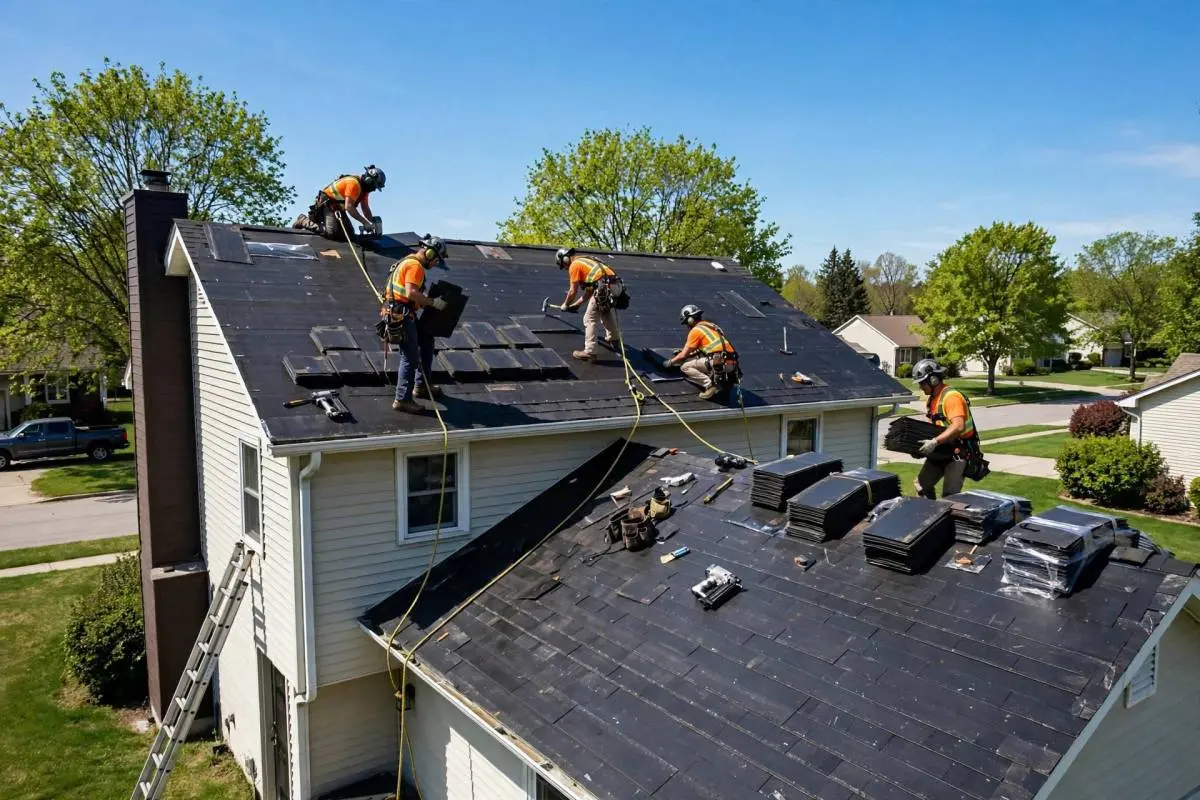
After hail, high winds, or a hurricane, a quick inspection can catch roof damage early. Use this step-by-step checklist before small problems become costly leaks.
Read article →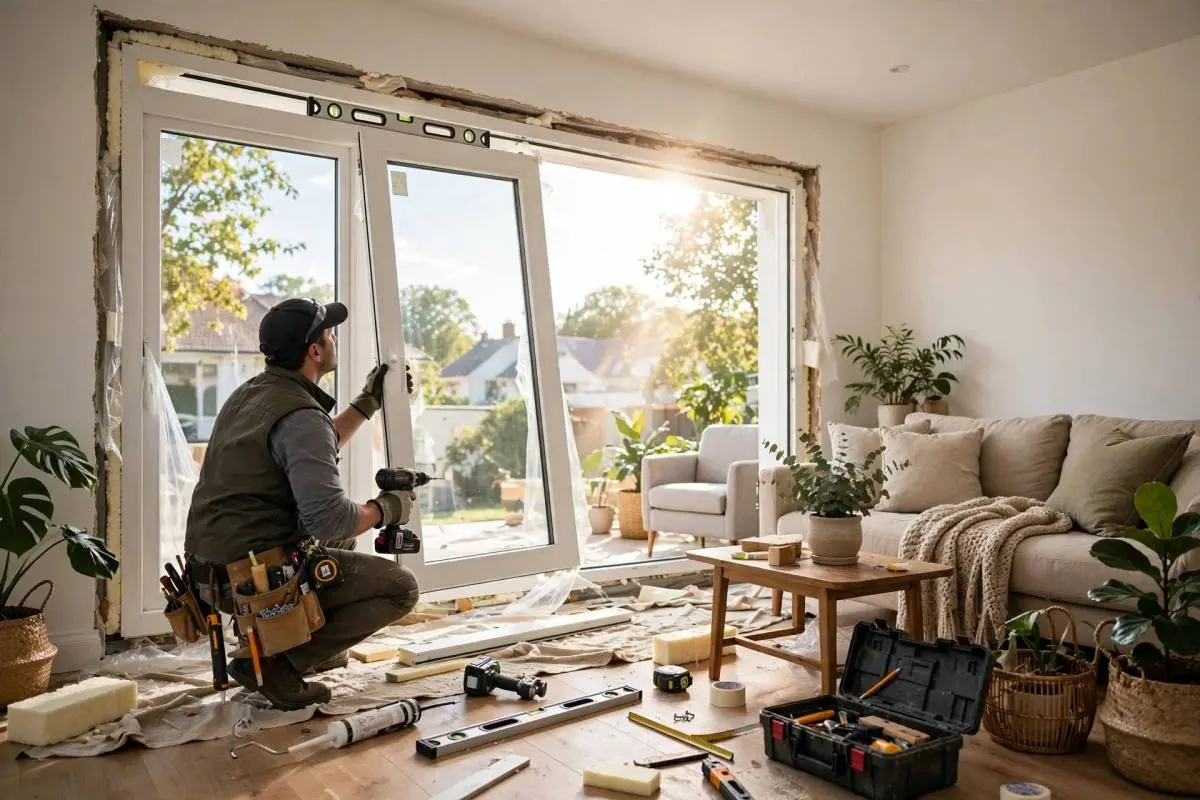
Triple-pane windows insulate better and hush outside noise — but cost 10–20% more. Learn when the upgrade pays off and when double-pane is the smarter buy.
Read article →Emergency? We answer 24/7 and dispatch the nearest certified technician — most arrivals in under 60 minutes.