What Causes Low Water Pressure and How to Fix It
Weak showers and slow-filling faucets are more than an annoyance — they can signal hidden plumbing problems. Learn what causes low water pressure and how to fix it.
Read article →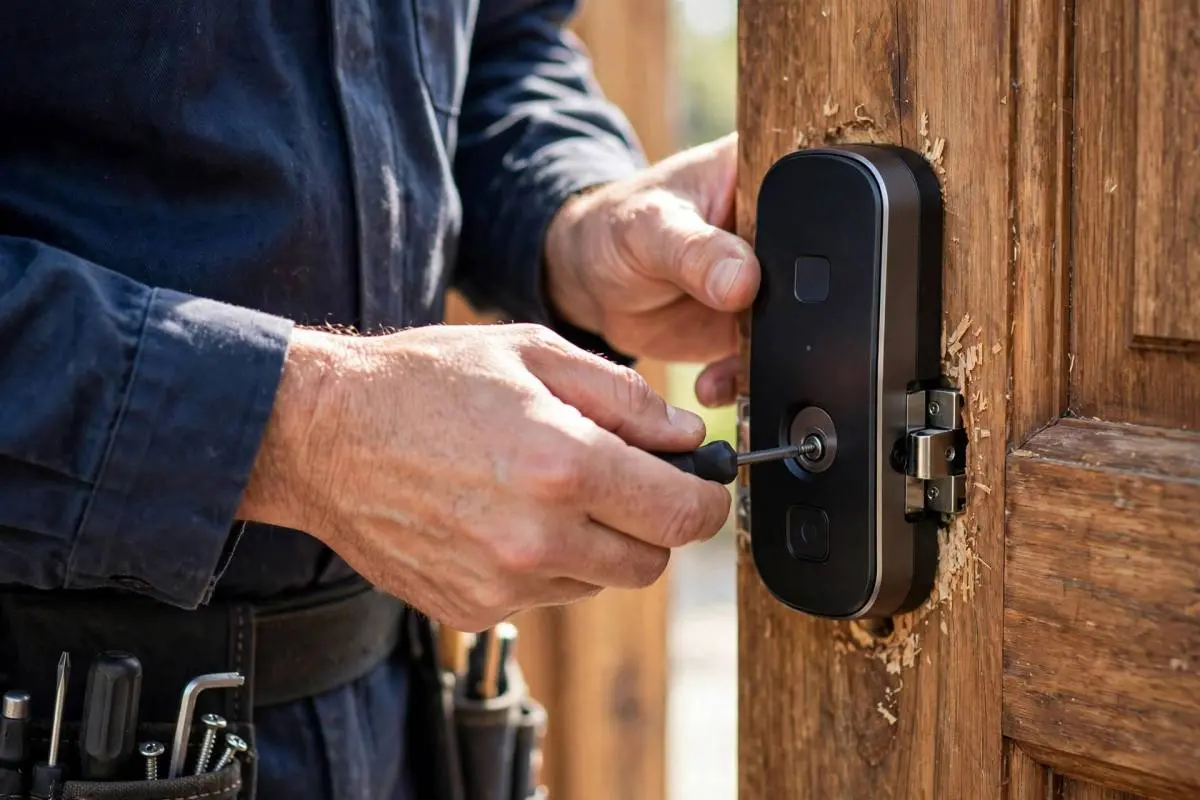
Walk down any home improvement aisle and you will face the modern homeowner's dilemma: the familiar brass deadbolt that has guarded doors for a century, or the sleek smart lock that opens with a code, a fingerprint, or your phone. Both promise security, but they deliver it in very different ways. The right choice depends less on which is objectively tougher and more on how you actually live, who needs access to your home, and how much convenience matters to you day to day.
The traditional deadbolt's greatest strength is simplicity. There are no batteries to die, no software to update, and no wireless signal to intercept. A quality deadbolt, look for ANSI Grade 1 or Grade 2 ratings, with a full one-inch throw bolt and a reinforced strike plate secured by three-inch screws into the door frame, is genuinely hard to defeat by force. Most deadbolt failures you hear about involve cheap builder-grade locks or weak strike plates, not the deadbolt concept itself. Installed correctly on a solid door, it is a proven, durable barrier that can last decades with zero maintenance.
Smart locks trade some of that simplicity for serious convenience. Keyless entry means no more hiding spare keys or getting locked out. You can give the dog walker a temporary code that only works on weekday afternoons, get a notification when the kids get home, and lock the door from your car when you cannot remember if you locked it. Auto-lock features remove the most common security failure of all, the deadbolt that never got locked in the first place. For rental owners and busy families, that flexibility is hard to give up once you have had it.
On pure security, the honest answer is that a good lock of either type beats a cheap lock of either type. Physically, quality smart locks use the same hardened bolts and anti-drill plates as good deadbolts, and both can be bumped or picked if they use a standard key cylinder, though many smart locks now use bump-resistant designs. Where they differ is the attack surface: a smart lock adds digital risks like weak passwords, unsecured Wi-Fi, or Bluetooth relay tricks. Mitigate that the way you would any connected device: buy from an established brand, use a strong unique code, enable two-factor authentication on the app, and keep firmware updated.
Reliability is where the deadbolt still wins outright. A deadbolt never runs out of battery at midnight in January. Smart locks do, though most warn you for weeks first and include a backup: a hidden keyway, external battery terminals for a quick jump, or both. Power and internet outages can disable remote features, though the keypad and fingerprint reader on most models keep working on battery power. If the thought of any of that makes you uneasy, that discomfort is useful data about which lock fits your life.
Cost is straightforward. A quality traditional deadbolt runs $30 to $100 plus installation, while a good smart lock runs $150 to $300. Professional installation by a locksmith ensures proper alignment, which matters more than people realize; a misaligned bolt that does not fully extend is barely a lock at all. Many homeowners end up with a hybrid: a smart lock on the door the family uses daily and a traditional deadbolt on secondary doors, which gives you keyless convenience where it counts and zero-maintenance reliability everywhere else.
So which should you choose? Pick a smart lock if multiple people need access, you manage a rental, or you want remote control and entry logs. Stick with a traditional deadbolt if you value simplicity, hate charging things, or just want a lock you will never think about for twenty years. Either way, the lock is only one layer: pair it with solid doors, reinforced frames, and good habits like actually locking up. And if you are building a connected home, a smart garage door opener with rolling codes rounds out the system nicely.
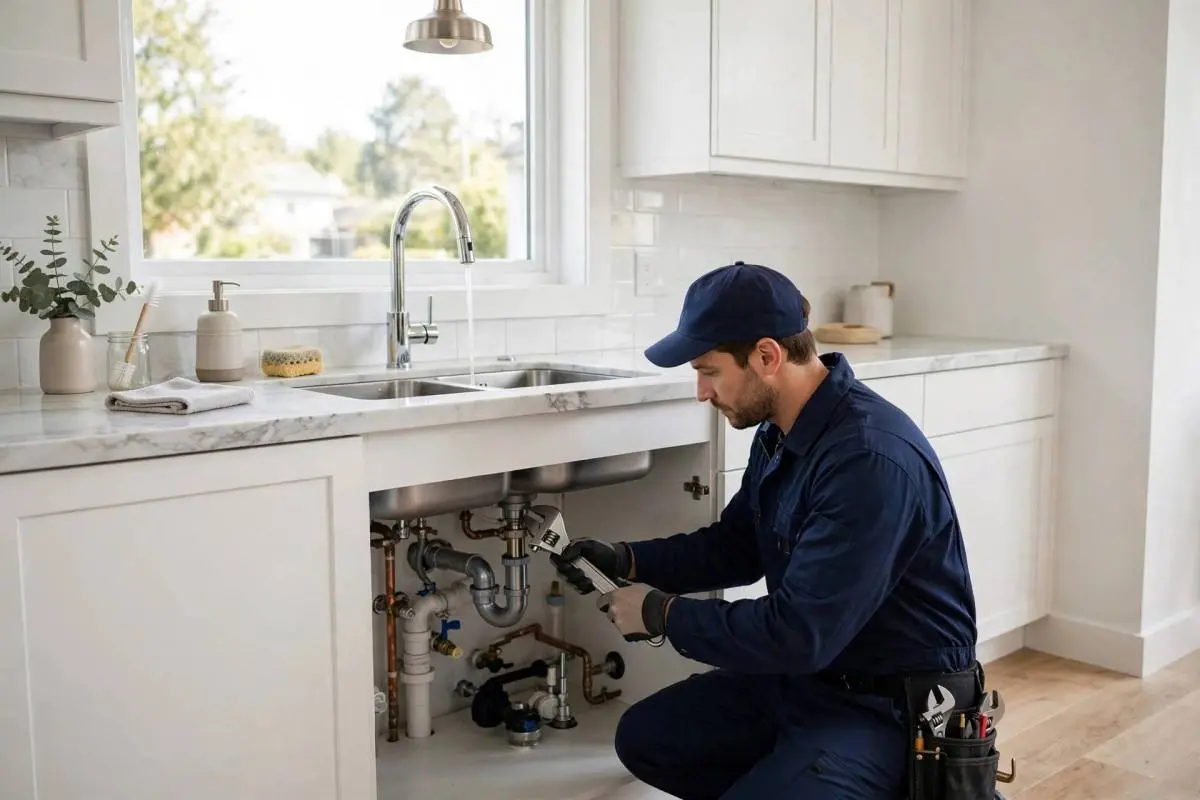
Weak showers and slow-filling faucets are more than an annoyance — they can signal hidden plumbing problems. Learn what causes low water pressure and how to fix it.
Read article →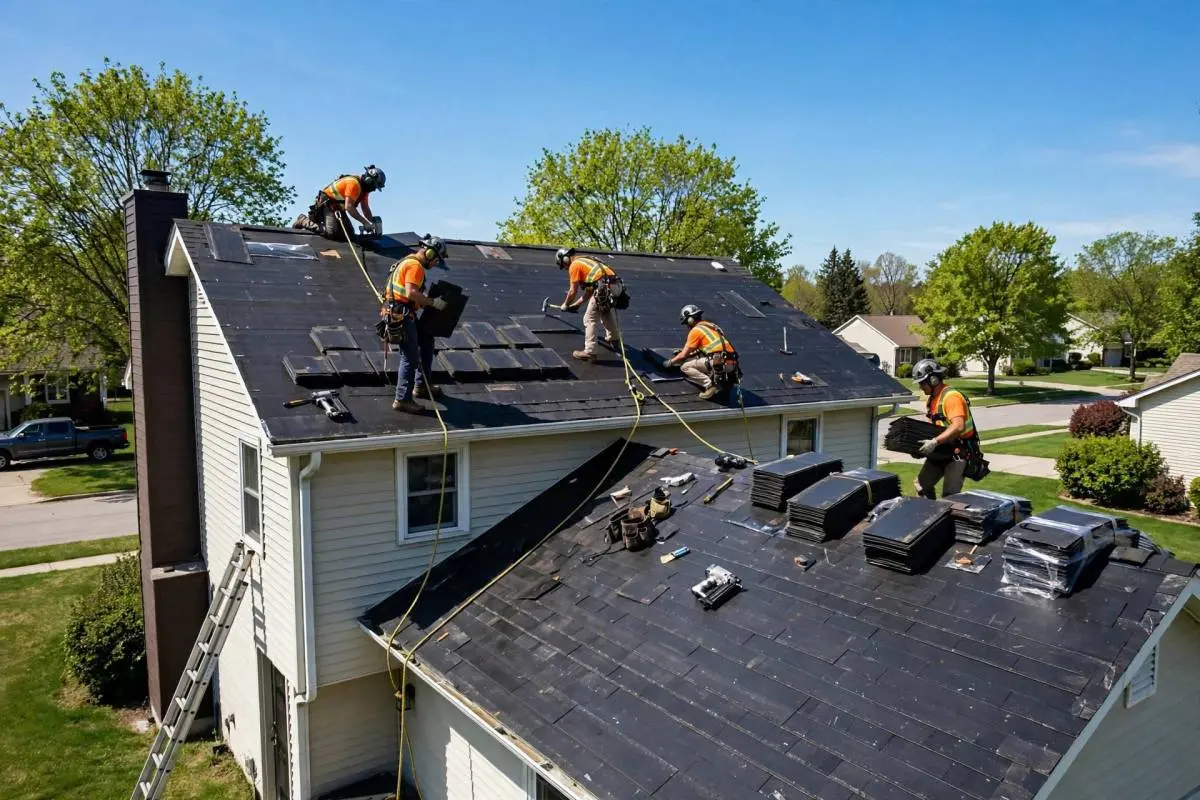
After hail, high winds, or a hurricane, a quick inspection can catch roof damage early. Use this step-by-step checklist before small problems become costly leaks.
Read article →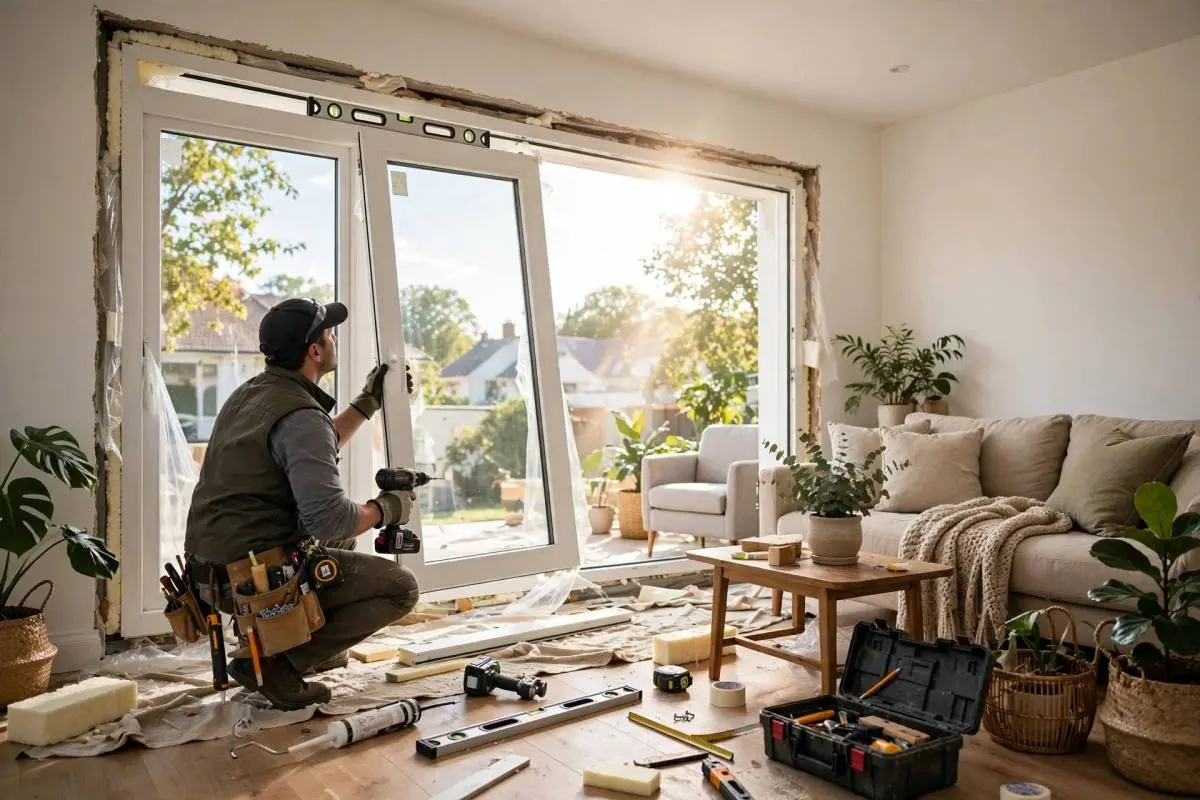
Triple-pane windows insulate better and hush outside noise — but cost 10–20% more. Learn when the upgrade pays off and when double-pane is the smarter buy.
Read article →Emergency? We answer 24/7 and dispatch the nearest certified technician — most arrivals in under 60 minutes.