What Causes Low Water Pressure and How to Fix It
Weak showers and slow-filling faucets are more than an annoyance — they can signal hidden plumbing problems. Learn what causes low water pressure and how to fix it.
Read article →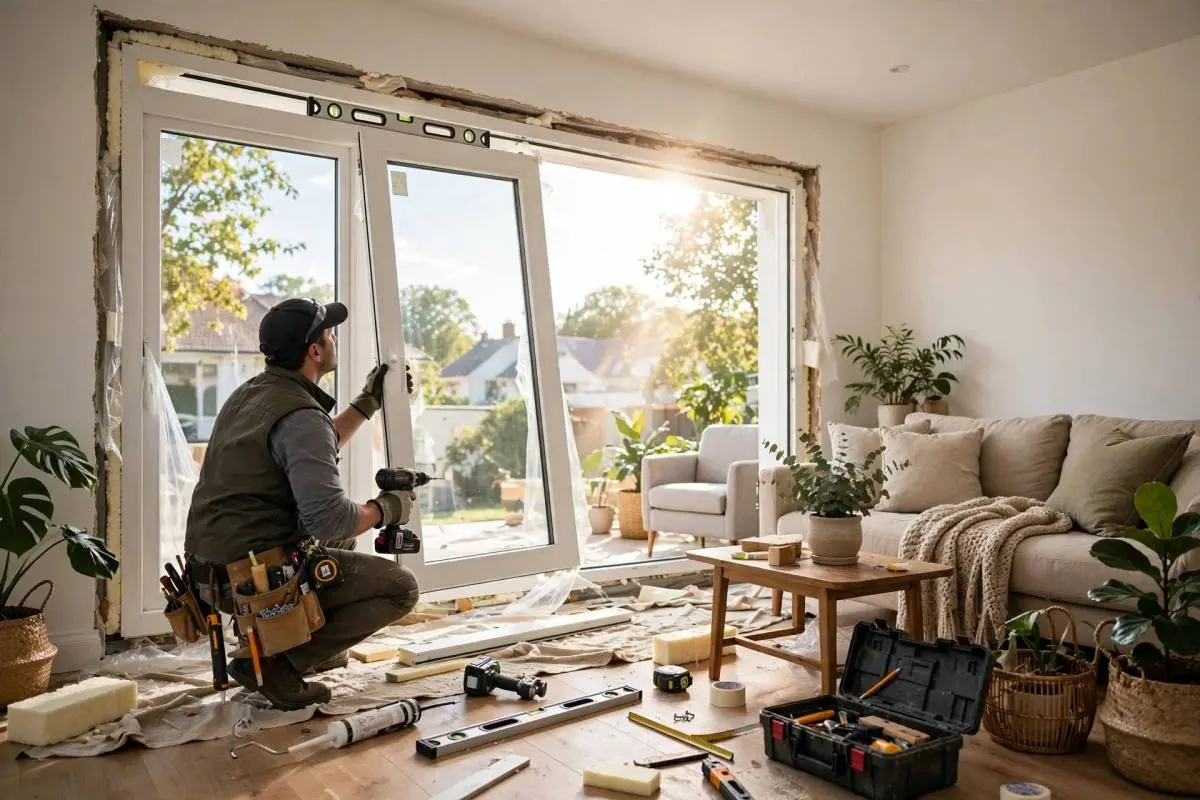
Windows rarely fail all at once. They decline gradually — a little stiffer each year, a little draftier each winter — and homeowners adapt without noticing. You put on a sweater near the living room window. You stop opening the bedroom sash because it sticks. Then one day you realize you've been compensating for failing windows for years. Most windows last 15–25 years depending on material and climate, and once they cross that line, repairs become a treadmill: fix one issue and another appears. Knowing the real signs of end-of-life helps you replace on your schedule instead of in a crisis — like discovering rot during a rainstorm.
The most obvious sign is one you can feel: drafts. On a cold, windy day, walk slowly around each window with the back of your hand near the edges. If you feel cold air sneaking in around the frame or sash, the weatherstripping has compressed or the frame has warped with age. Some air leakage is fixable with new weatherstripping or caulk — but if you've resealed and the drafts persist, the window's structural seal is gone. Check your energy bills for the quieter evidence: heating and cooling costs creeping up year over year, even though your usage habits haven't changed, often trace back to windows (and doors) losing their insulating ability.
Condensation between the glass panes is the telltale sign of seal failure, and it's not fixable. Insulated glass units are sealed at the factory with a desiccant in the spacer to absorb moisture; when that seal breaks — through age, thermal cycling, or poor manufacturing — outside air enters, the insulating gas escapes, and moisture condenses inside where you can't wipe it away. The result is a permanently foggy or hazy window that only gets worse. Don't confuse this with condensation on the room-side glass, which usually means indoor humidity is high, or exterior condensation, which is actually a sign your low-E glass is working. Between-the-panes fog means the glass unit has failed. The frame may be fine — a window installation professional can often replace just the glass unit — but widespread seal failure across multiple windows points toward full replacement.
Windows should operate smoothly with one hand. If a double-hung sash slams down instead of staying open, the balance mechanisms — springs or weights hidden in the frame — are worn out. If a casement cranks with grinding resistance or won't seal tightly when closed, the hardware is shot. Sticking and jamming often come from frames that have swollen, warped, or settled out of square over the years. Beyond annoyance, inoperable windows are a safety issue: building codes require bedroom windows to open for emergency egress, and a painted-shut or jammed window fails that requirement. Minor hardware can sometimes be replaced, but when the frame itself has warped, no new crank or balance will make it right — the window has reached the end of its service life.
Visible damage is the sign nobody should ignore. Soft, spongy wood around the sill or frame means rot, and rot spreads — what starts as a soft spot can compromise the structural framing around the opening if left alone. Probe suspicious areas with a screwdriver; if it sinks in easily, you have decay. Cracked or broken glass is obvious, but also look for cracked glazing, peeling paint that exposes bare wood, and frames pulling away from the siding, which lets water behind the cladding. Water staining on the wall below a window often means the flashing has failed, and that's a problem that can extend into the wall cavity. A roofing contractor should rule out roof leaks first when stains appear high on walls, but stains directly beneath a window usually indict the window itself.
A few subtler signs round out the picture. If outside noise seems louder than it used to — traffic, lawnmowers, neighbors — your windows' seals and glazing have likely degraded; modern double or triple-pane units are dramatically quieter. If furniture, flooring, or curtains near windows are fading, your old glass lacks the UV-blocking low-E coatings that come standard today. And if your home still has original single-pane windows, you're living with the worst of everything: minimal insulation, maximum noise, and condensation in winter.
So when do you repair versus replace? The rule of thumb: if a single window has an isolated issue — one failed seal, one broken balance — repair it. If you're seeing the same problem across multiple windows, if the frames are rotting or warped, or if repair quotes exceed half the cost of new windows, replacement wins. Full replacement also lets you fix installation sins from the original build: poor flashing, missing insulation around the frame, and out-of-square openings. Get at least three quotes, compare NFRC ratings rather than sales pitches, and ask each window installation contractor whether they recommend insert or full-frame replacement for your situation — the answer reveals how carefully they've actually looked at your windows.
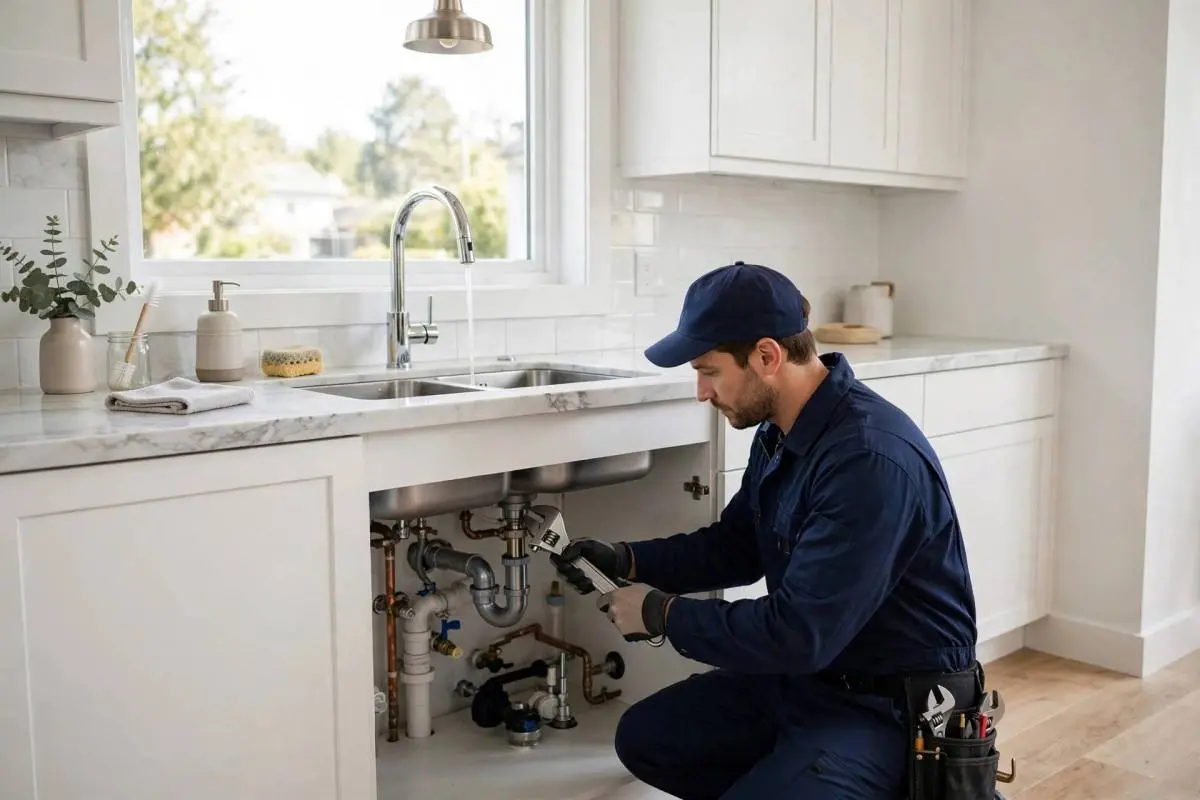
Weak showers and slow-filling faucets are more than an annoyance — they can signal hidden plumbing problems. Learn what causes low water pressure and how to fix it.
Read article →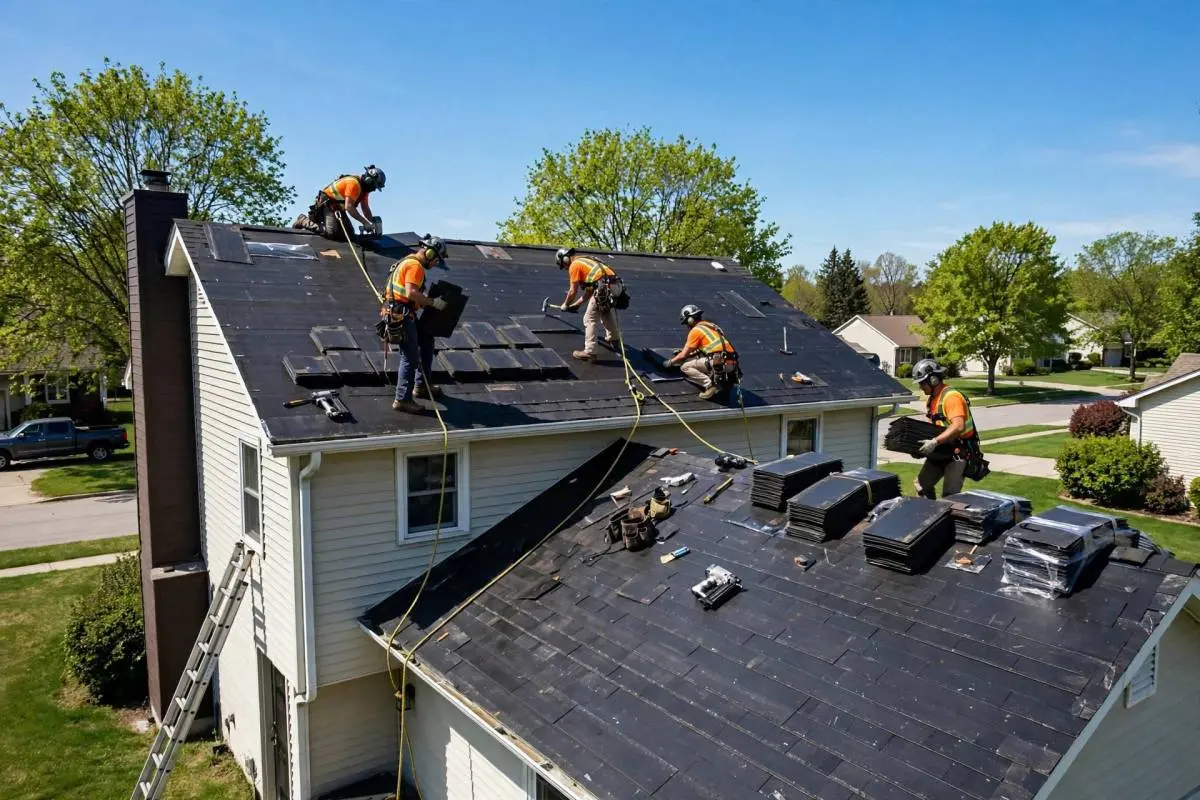
After hail, high winds, or a hurricane, a quick inspection can catch roof damage early. Use this step-by-step checklist before small problems become costly leaks.
Read article →
Triple-pane windows insulate better and hush outside noise — but cost 10–20% more. Learn when the upgrade pays off and when double-pane is the smarter buy.
Read article →Emergency? We answer 24/7 and dispatch the nearest certified technician — most arrivals in under 60 minutes.