What Causes Low Water Pressure and How to Fix It
Weak showers and slow-filling faucets are more than an annoyance — they can signal hidden plumbing problems. Learn what causes low water pressure and how to fix it.
Read article →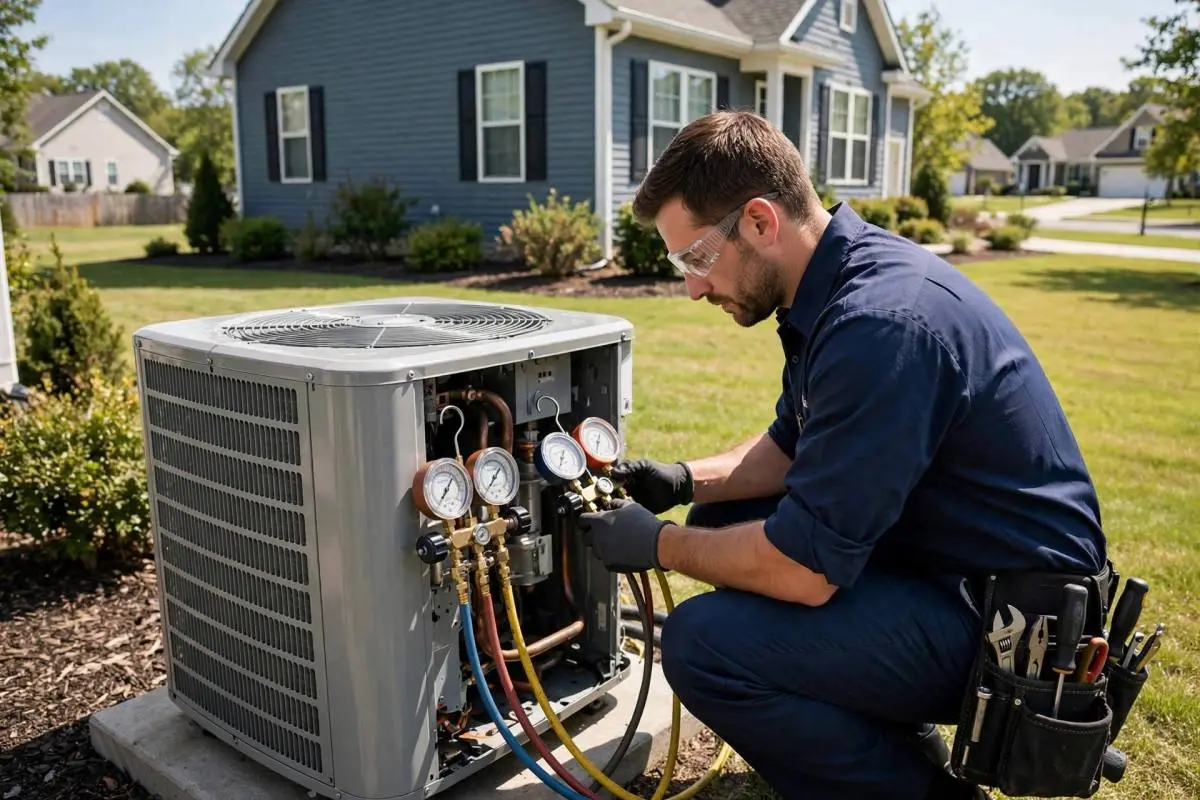
Choosing between a ductless mini split system and traditional central air is one of the biggest HVAC decisions a homeowner can make. Both cool effectively, but they differ sharply in installation, cost, efficiency, and the kinds of homes they suit best.
Central air uses a network of ducts to distribute cooled air from a single outdoor condenser and indoor air handler. It is ideal for homes that already have ductwork, providing even temperatures and hidden equipment. If your ducts are in good shape, central air is usually the simpler upgrade path.
Mini splits, by contrast, need no ducts at all. A slim indoor unit mounts on the wall or ceiling of each zone, connected to an outdoor compressor by a small conduit. This makes them perfect for older homes without ducts, room additions, garages, and sunrooms where extending ductwork would be expensive or impractical.
On efficiency, mini splits generally win. Without duct losses, which waste 20 to 30 percent of cooled air in typical systems, mini splits deliver more cooling per dollar of electricity. Their inverter-driven compressors also adjust output smoothly instead of cycling on and off, and zoned control means you only cool the rooms you use.
Cost comparison is nuanced. A single-zone mini split runs $2,000 to $5,000 installed, while a whole-home multi-zone system can reach $10,000 to $15,000. Central air replacement typically costs $4,000 to $8,000 if ducts exist, but adding new ductwork can double that. Get detailed quotes for both options before deciding.
Comfort differences matter too. Mini splits offer room-by-room temperature control, which ends thermostat wars in multi-story homes. Central air provides a cleaner look with no wall units and often better whole-house air filtration. Consider your priorities: precision zoning versus invisible equipment.
Many homeowners end up with a hybrid approach: central air for the main house and a mini split for a problem addition or converted garage. A qualified contractor can assess your home's layout, existing ducts, and electrical capacity to recommend the most cost-effective combination.
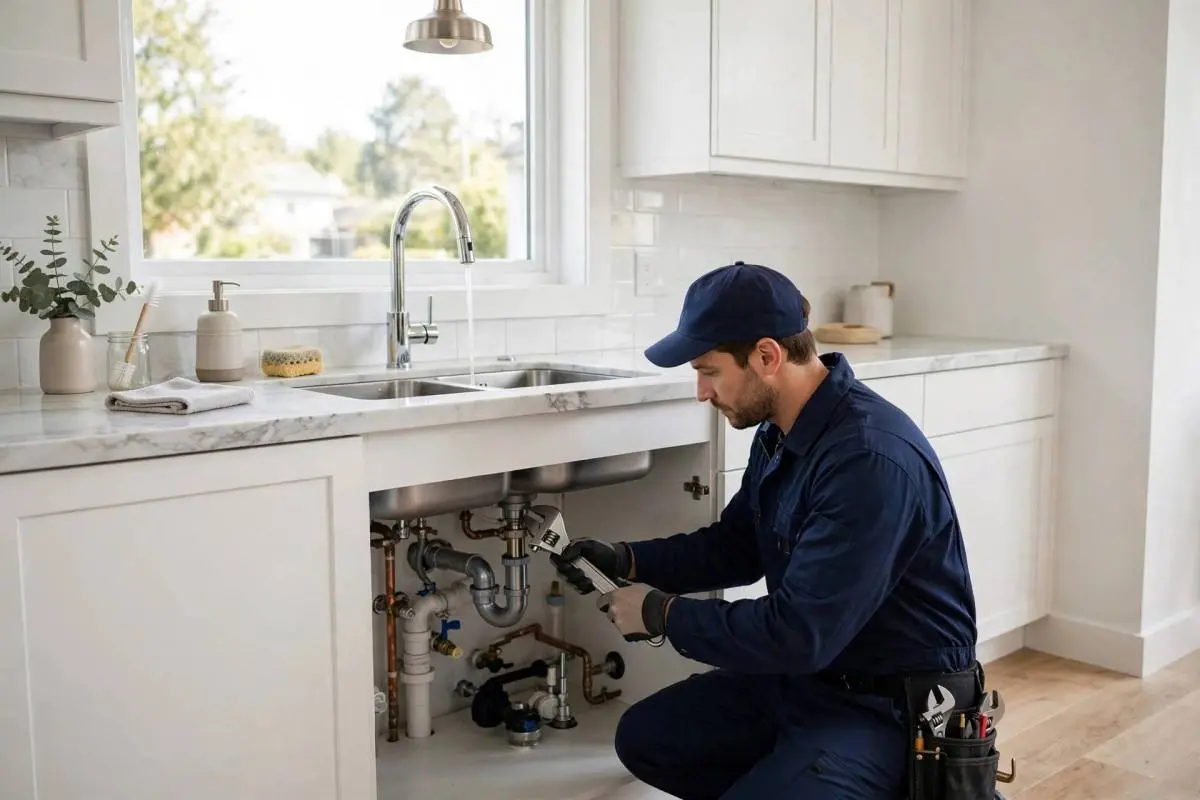
Weak showers and slow-filling faucets are more than an annoyance — they can signal hidden plumbing problems. Learn what causes low water pressure and how to fix it.
Read article →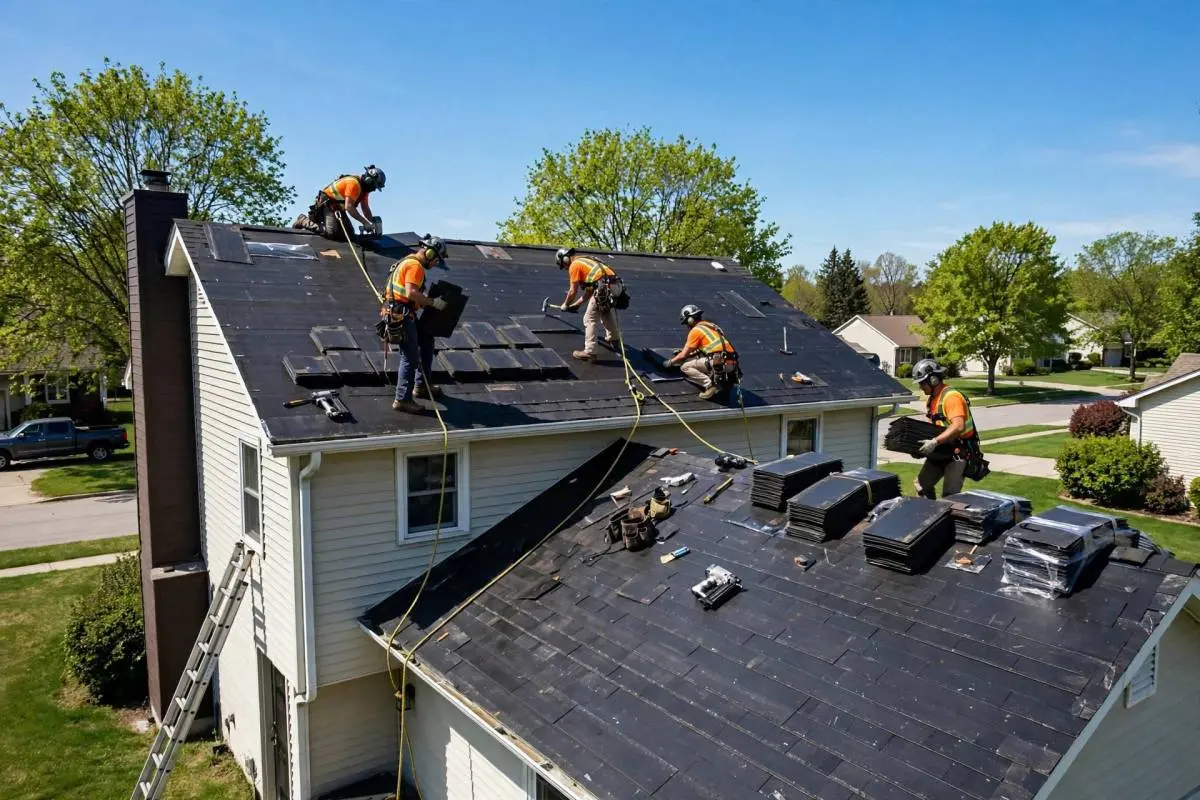
After hail, high winds, or a hurricane, a quick inspection can catch roof damage early. Use this step-by-step checklist before small problems become costly leaks.
Read article →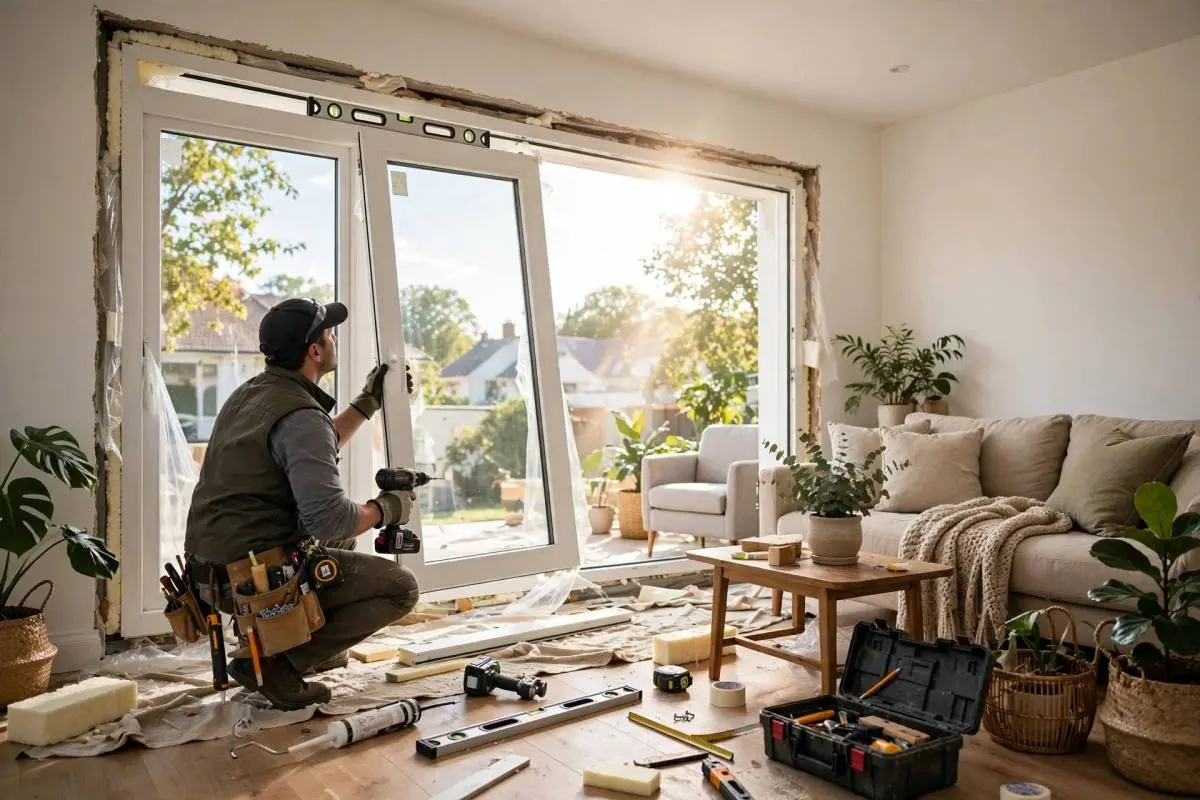
Triple-pane windows insulate better and hush outside noise — but cost 10–20% more. Learn when the upgrade pays off and when double-pane is the smarter buy.
Read article →Emergency? We answer 24/7 and dispatch the nearest certified technician — most arrivals in under 60 minutes.