What Causes Low Water Pressure and How to Fix It
Weak showers and slow-filling faucets are more than an annoyance — they can signal hidden plumbing problems. Learn what causes low water pressure and how to fix it.
Read article →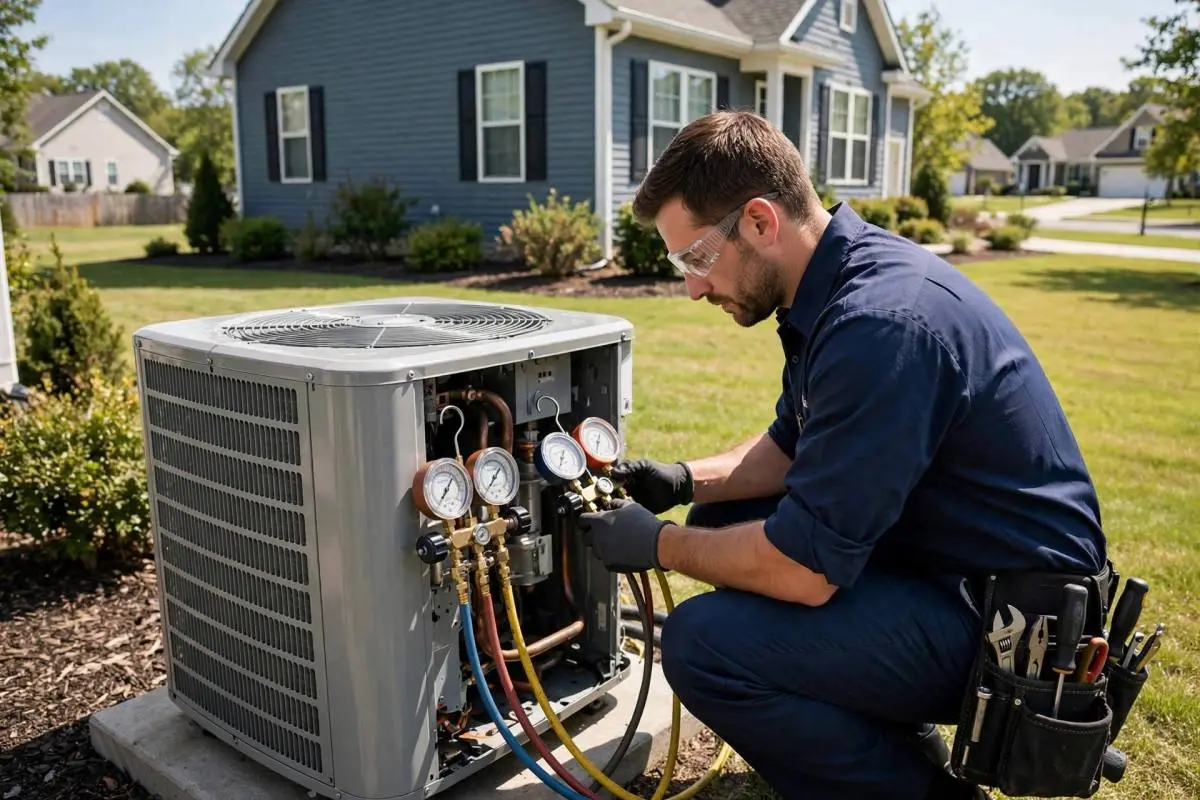
If your home needs cooling — or you are replacing an aging system — you have likely heard two options debated: traditional central air and ductless mini splits. Both will keep you comfortable, but they work very differently, cost very differently, and suit different homes. Here is an honest, side-by-side look.
Central air conditioning uses a network of ducts to distribute cooled air from a single outdoor condenser and indoor air handler to every room. Its biggest strength is even, whole-house comfort from one system — set one thermostat and every room gets conditioned air. Installation typically runs $4,000–$8,000 for a standard home, and because most homes already have ductwork (if they have a furnace), replacement is usually straightforward. Central air also pairs naturally with a furnace for year-round heating and cooling through the same ducts.
Mini splits, also called ductless systems, consist of an outdoor unit connected to one or more indoor wall-mounted units, each serving a zone. There is no ductwork at all. This makes mini splits the clear winner for homes without existing ducts — older homes, additions, garages, and sunrooms where installing ducts would be expensive or impossible. Because each indoor unit has its own thermostat, you can cool the bedroom to 70°F while leaving the guest room off entirely. That zoning ability is where mini splits save the most energy: you simply do not pay to condition rooms you are not using.
On efficiency, mini splits generally come out ahead. Because they avoid duct losses — leaky, uninsulated ducts can waste 20–30% of a system's energy — and because inverter-driven compressors ramp up and down smoothly instead of cycling on and off, mini splits routinely achieve higher SEER ratings than comparably priced central systems. In real-world use, many homeowners see noticeably lower cooling bills after switching, especially if their old ducts ran through a hot attic.
But mini splits are not the answer for every home. Upfront cost is the biggest hurdle: a whole-house multi-zone mini split system can run $6,000–$15,000 depending on the number of zones, which is often more than a central air replacement in a home that already has good ductwork. Aesthetics matter too — the indoor wall units are visible in each room, and while modern units are sleeker than they used to be, some homeowners simply prefer the invisible registers of ducted systems.
There is also a middle ground worth knowing about: ducted mini splits and slim-duct units that hide inside ceilings, plus the option of pairing a mini split with an existing furnace for a hybrid approach. And central air remains the better value when your ducts are already in good shape and you want simple, whole-house cooling from a single system. An HVAC professional can evaluate your ductwork condition — leaky, undersized, or moldy ducts tilt the math strongly toward ductless.
The practical decision usually comes down to your home's bones. No ducts or terrible ducts? Mini splits are almost always the smarter investment. Good existing ducts and a desire for simple whole-house control? Central air wins on value. Planning to stay in the home long-term and zoned comfort appeals to you? The higher upfront cost of mini splits pays back through efficiency and comfort over time. Either way, proper sizing matters more than brand — an oversized system of either type will short-cycle, waste energy, and leave your home clammy. Have a qualified HVAC contractor run a proper load calculation before you sign anything.
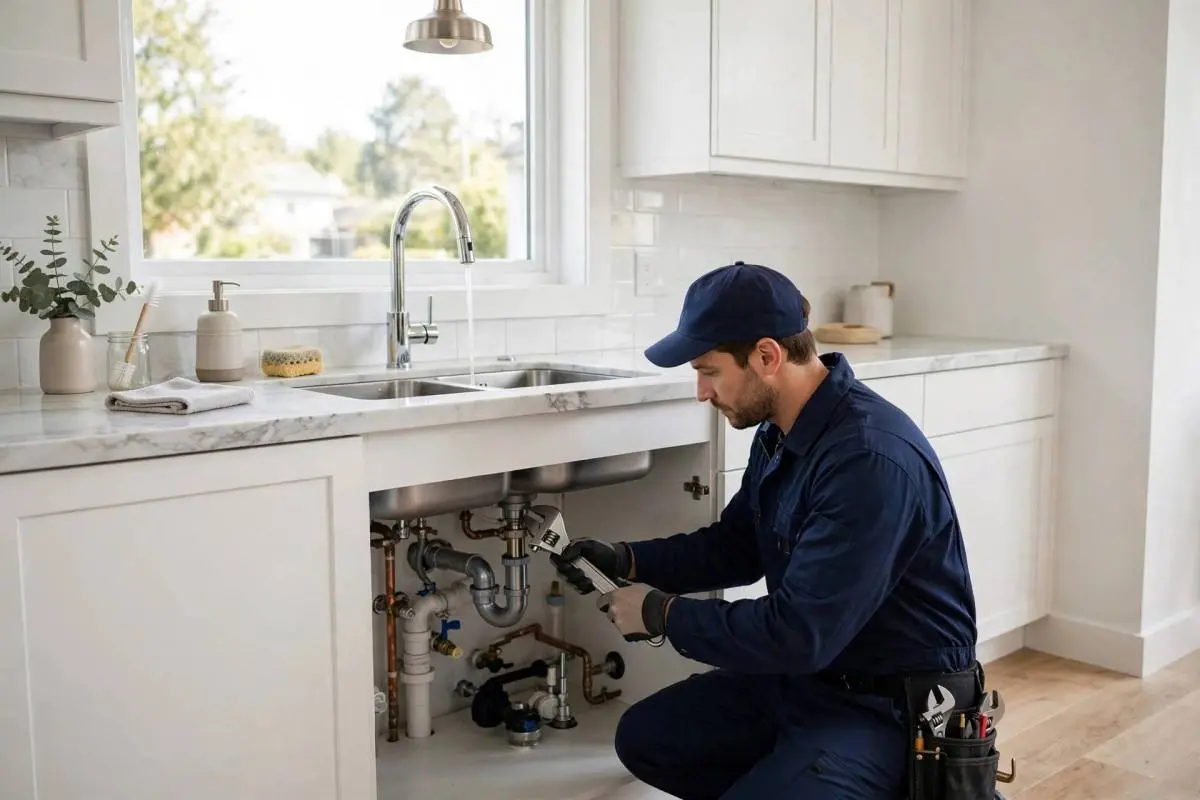
Weak showers and slow-filling faucets are more than an annoyance — they can signal hidden plumbing problems. Learn what causes low water pressure and how to fix it.
Read article →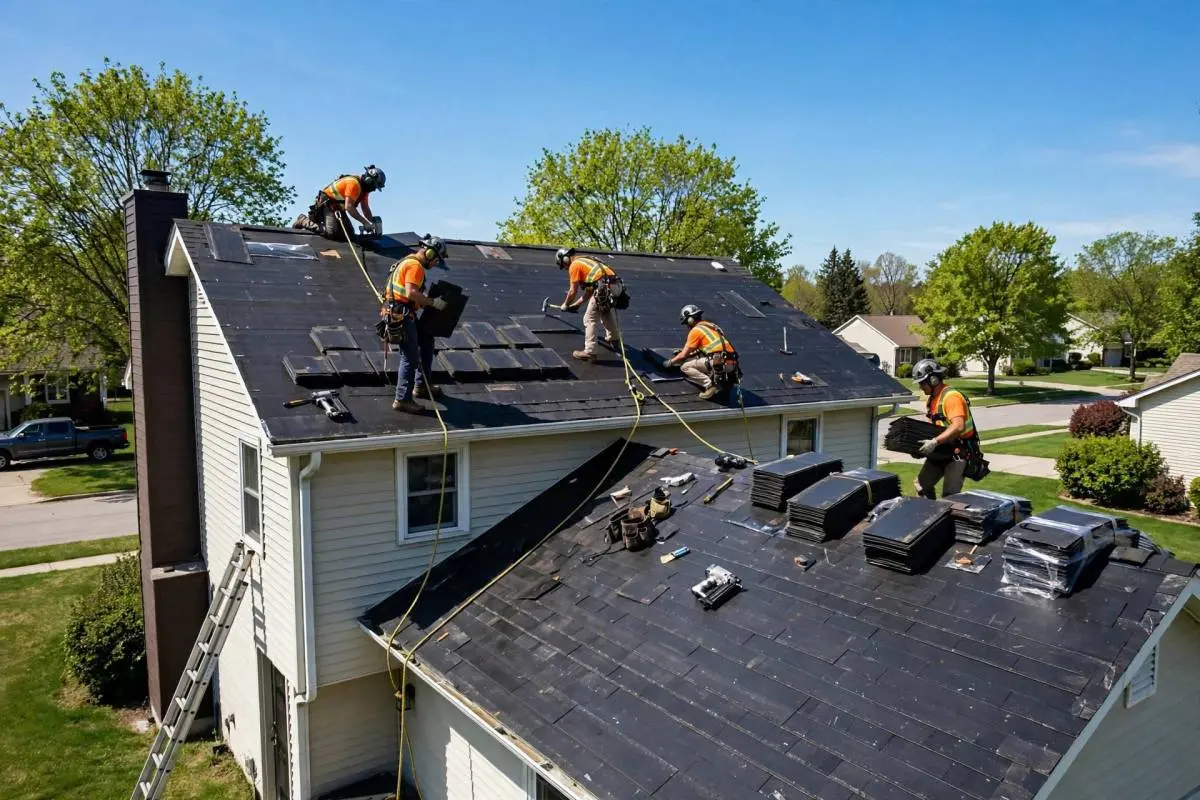
After hail, high winds, or a hurricane, a quick inspection can catch roof damage early. Use this step-by-step checklist before small problems become costly leaks.
Read article →
Triple-pane windows insulate better and hush outside noise — but cost 10–20% more. Learn when the upgrade pays off and when double-pane is the smarter buy.
Read article →Emergency? We answer 24/7 and dispatch the nearest certified technician — most arrivals in under 60 minutes.