What Causes Low Water Pressure and How to Fix It
Weak showers and slow-filling faucets are more than an annoyance — they can signal hidden plumbing problems. Learn what causes low water pressure and how to fix it.
Read article →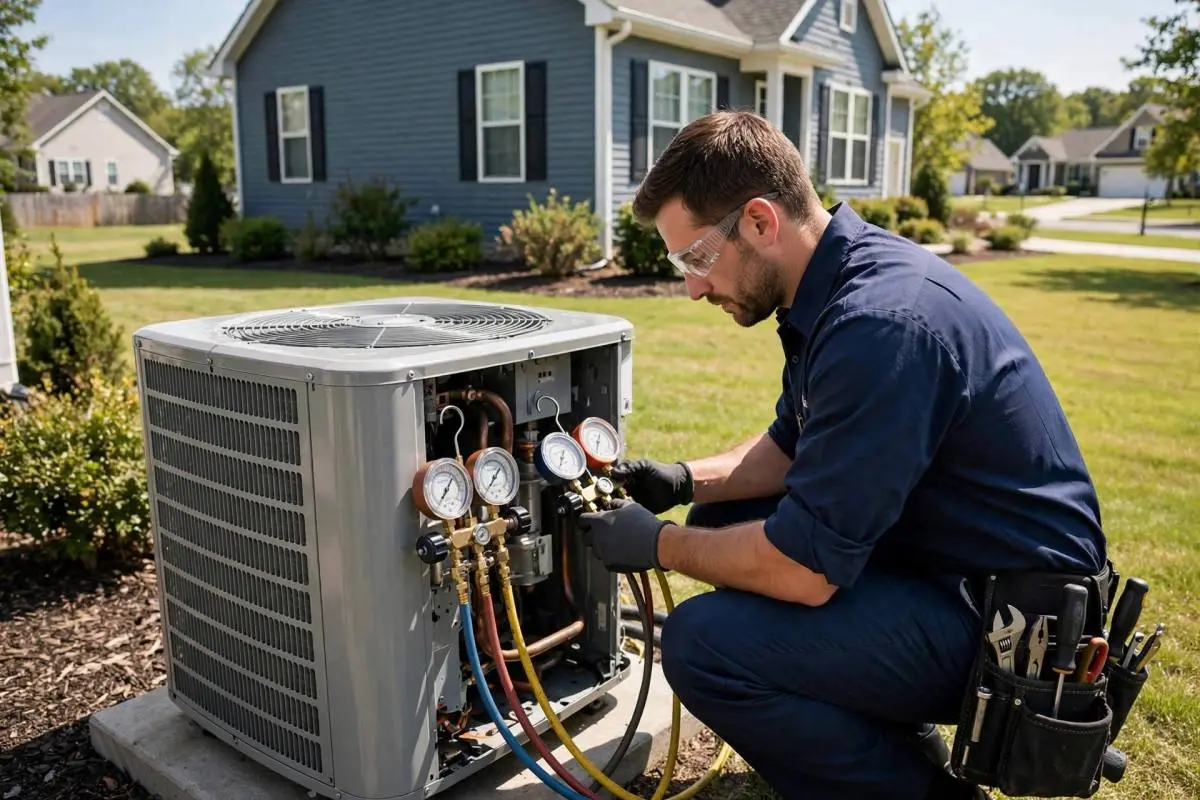
Most people spend 90 percent of their time indoors, yet indoor air is often two to five times more polluted than the air outside. Dust, pet dander, mold spores, volatile organic compounds, and cooking particles all accumulate in sealed modern homes. Improving indoor air quality pays off in fewer allergies, better sleep, and easier breathing.
Your HVAC filter is the first line of defense. Upgrade from basic fiberglass to a pleated filter rated MERV 8 to 13, which captures far smaller particles. Change it on schedule, because a clogged filter not only stops filtering but also strains the system. Never use a filter rated higher than your system is designed for without checking with a technician.
Control humidity. Keep indoor relative humidity between 30 and 50 percent. Above 60 percent, mold and dust mites thrive; below 30 percent, dry air irritates sinuses and damages woodwork. A whole-house humidifier or dehumidifier integrated with your HVAC system maintains the sweet spot automatically.
Ventilate on purpose. Run bathroom exhaust fans during and after showers, use the range hood every time you cook, and consider an energy recovery ventilator if your home is tightly sealed. These remove moisture and pollutants at the source before they spread through the house.
Reduce pollutants at their origin. Choose low-VOC paints and cleaning products, vacuum with a HEPA-filter machine, wash bedding in hot water weekly, and keep pets groomed. Avoid scented candles and plug-in air fresheners, which add chemicals to the air while masking odors.
Consider upgraded filtration if allergies persist. A whole-house media filter or UV light installed in the ductwork captures or neutralizes far more than a standard one-inch filter. An HVAC professional can recommend options matched to your system and test that airflow remains adequate.
Finally, do not overlook the ducts themselves. Leaky or dirty ductwork distributes dust and can pull pollutants from attics and crawl spaces into your living space. Having ducts inspected, sealed, and cleaned as needed makes every other air quality measure more effective, and pairing it with better-sealed windows keeps outdoor pollen and dust from sneaking in.
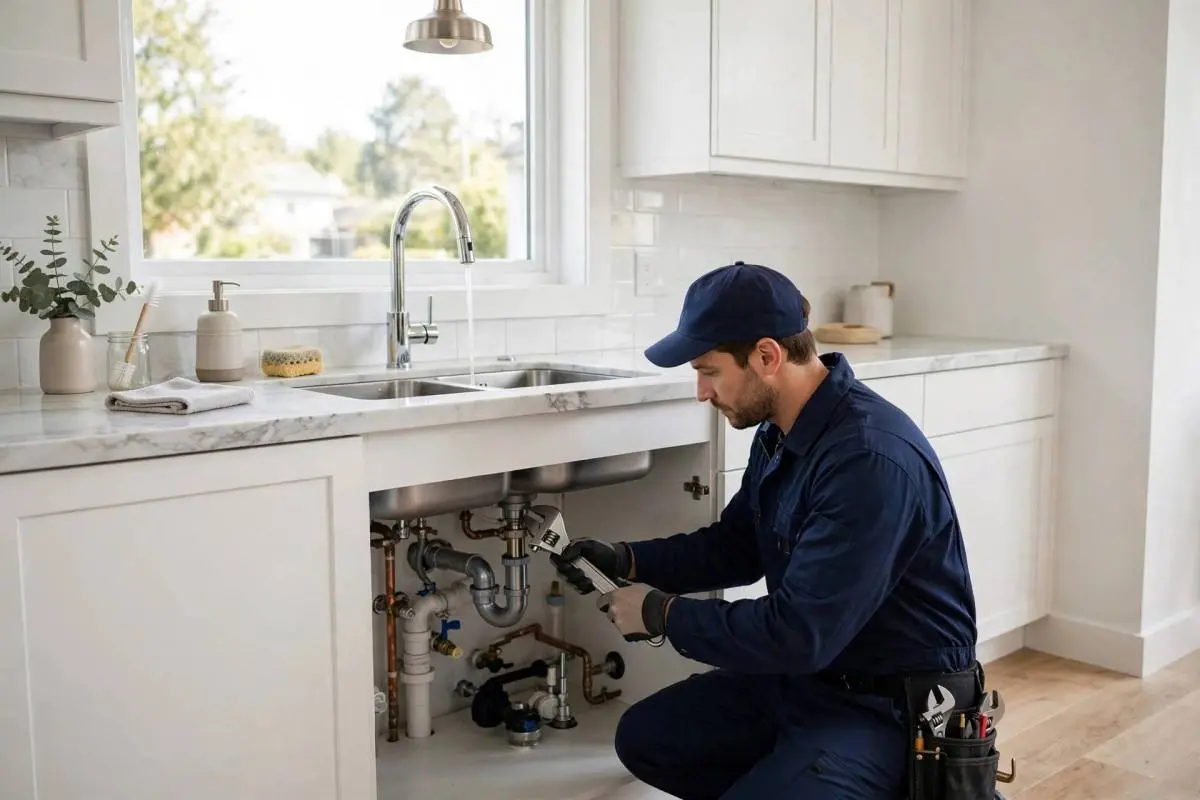
Weak showers and slow-filling faucets are more than an annoyance — they can signal hidden plumbing problems. Learn what causes low water pressure and how to fix it.
Read article →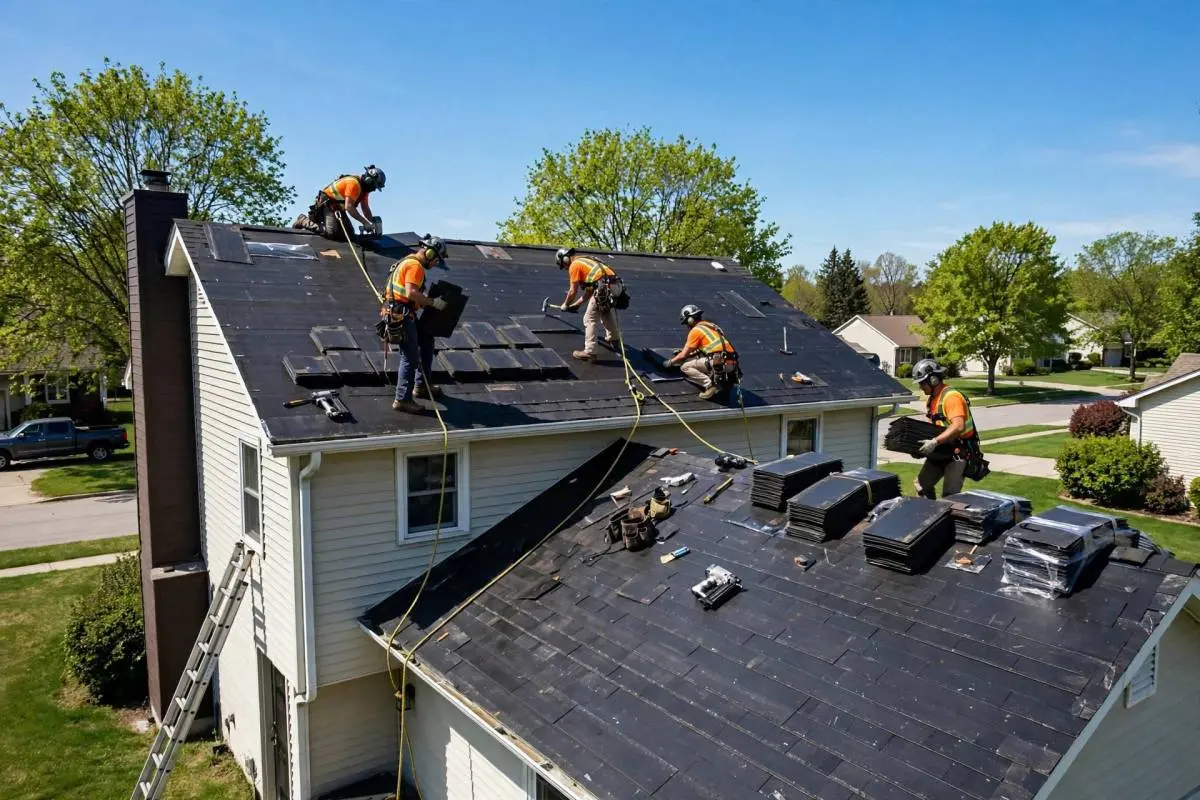
After hail, high winds, or a hurricane, a quick inspection can catch roof damage early. Use this step-by-step checklist before small problems become costly leaks.
Read article →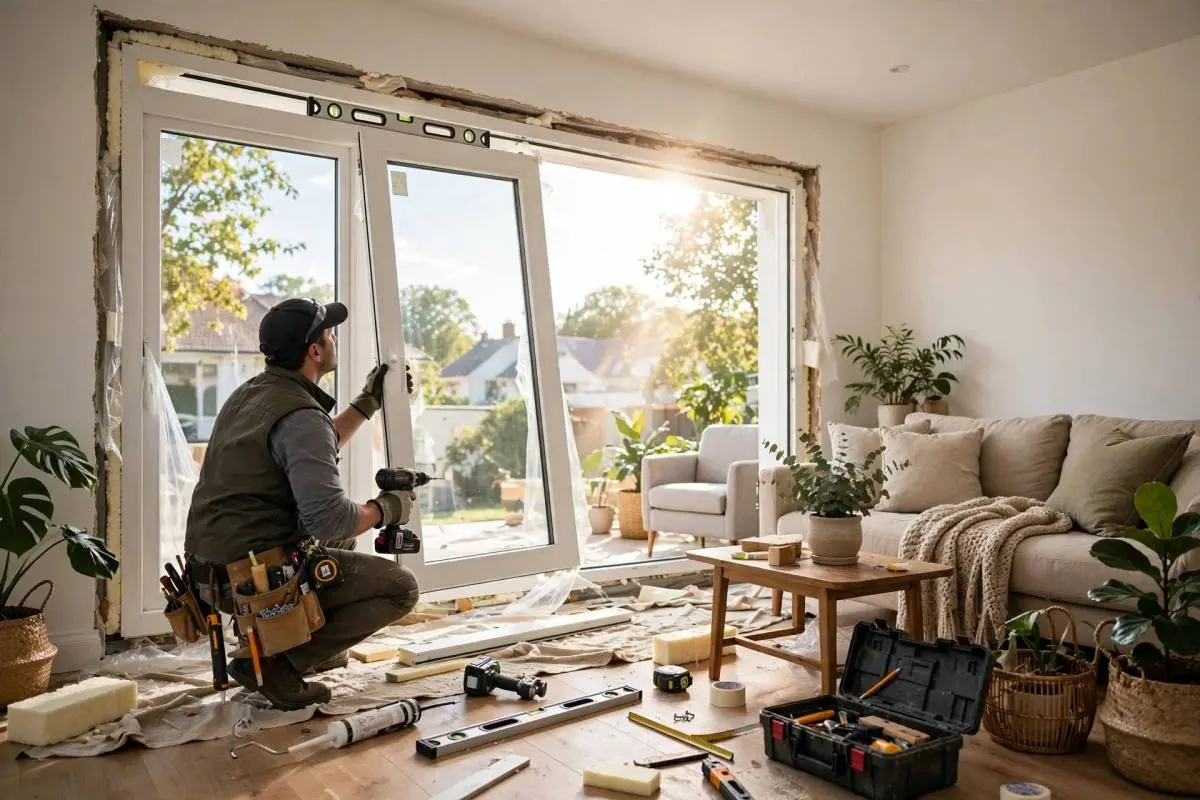
Triple-pane windows insulate better and hush outside noise — but cost 10–20% more. Learn when the upgrade pays off and when double-pane is the smarter buy.
Read article →Emergency? We answer 24/7 and dispatch the nearest certified technician — most arrivals in under 60 minutes.