What Causes Low Water Pressure and How to Fix It
Weak showers and slow-filling faucets are more than an annoyance — they can signal hidden plumbing problems. Learn what causes low water pressure and how to fix it.
Read article →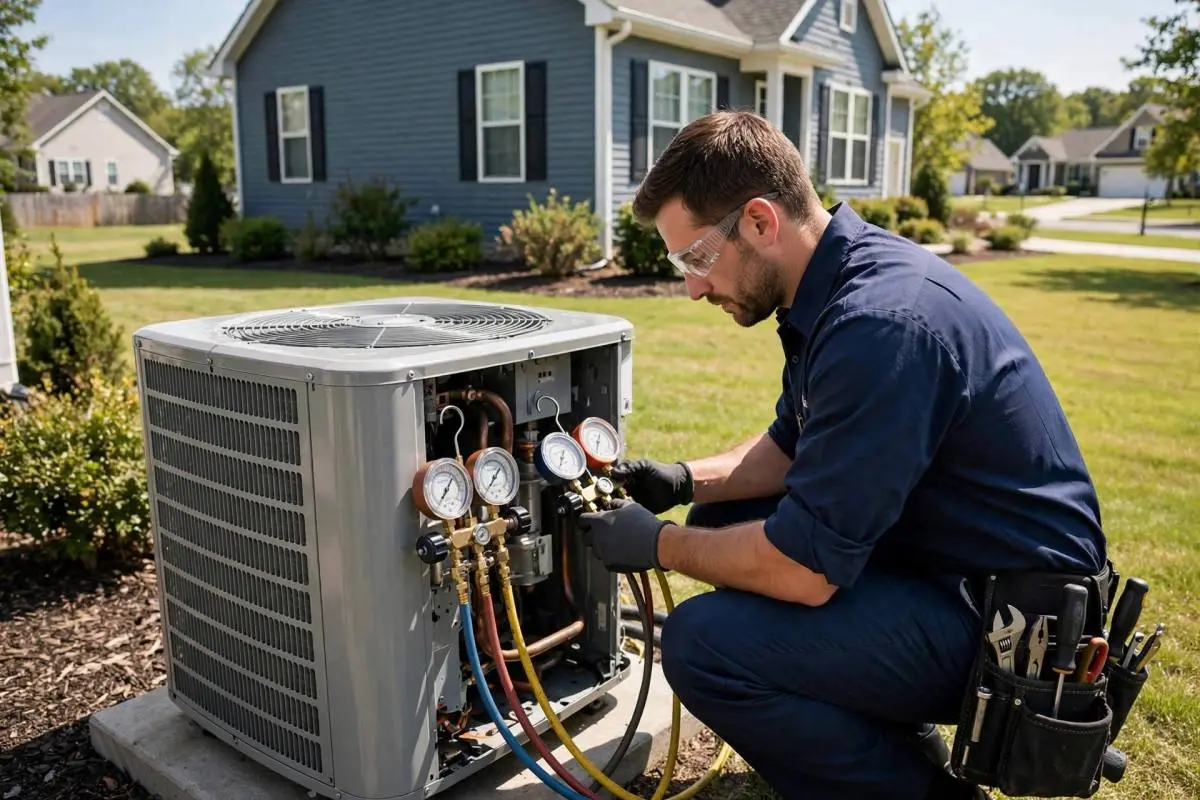
The humble air filter is the single most important maintenance item on your heating and cooling system, and also the most neglected. A clogged filter restricts airflow, forces your system to work harder, drives up energy bills, and can eventually cause breakdowns. Yet replacing it takes five minutes and costs a few dollars. The only real question is how often you should do it.
The short answer: most homes should replace a standard 1-inch filter every 1–3 months. But the right interval for your home depends on several factors. Homes with pets — especially multiple pets or heavy shedders — should change filters monthly, because pet hair and dander clog filters fast. Households with allergy sufferers benefit from monthly changes too, since a loaded filter cannot trap new particles effectively. If someone in the home smokes, or you have done recent renovations that kicked up dust, monthly changes are the safe bet.
Filter thickness changes the equation. Thicker media filters (4- or 5-inch) hold far more dust than standard 1-inch filters and can legitimately last 6–12 months. High-MERV filters capture finer particles but also clog faster, so do not assume a premium filter means a longer interval — check it visually. The honest rule is simple: pull the filter out and look at it. If you cannot see light through it, or it is visibly gray and matted, replace it regardless of what the calendar says.
What happens if you do not? First, your energy bills creep up — a dirty filter can increase energy use by 5–15% as the blower strains to pull air through. Comfort suffers next: weak airflow means uneven temperatures and longer run times. Then come the real problems. Restricted airflow over an air conditioner's evaporator coil can cause the coil to freeze into a block of ice, shutting down cooling entirely. In heating mode, low airflow can overheat a furnace heat exchanger, potentially cracking it — a serious safety issue that can allow carbon monoxide into your home. Many HVAC service calls for frozen coils or overheating furnaces trace back to a filter that was months overdue.
Choosing the right filter matters too. Filters are rated by MERV (Minimum Efficiency Reporting Value), roughly from 1 to 16 for residential use. MERV 8 is the baseline that most systems handle well. MERV 11–13 captures much finer particles — good for allergies — but creates more airflow resistance, so confirm your system can handle it before upgrading. Never stack multiple filters or install a filter that is not seated properly; air bypassing a poorly fitted filter defeats the purpose entirely.
Make filter changes automatic and you will never think about it again. Buy a year's supply at once so you always have one on hand, write the installation date on the filter frame with a marker, and set a recurring phone reminder. Some smart thermostats track filter life based on system runtime and will remind you automatically. During a seasonal HVAC tune-up, ask the technician which filter type and MERV rating is ideal for your specific equipment — it is a quick conversation that protects a system worth thousands of dollars.
If you rent, do not assume the landlord handles it. In many rentals, filter changes fall to the tenant, and a clogged filter can still be blamed on neglect. Check your lease, locate the filter slot (usually in a return-air grille or at the furnace/air handler), and keep up with changes yourself. Five minutes and a few dollars a few times a year is the cheapest insurance your heating and cooling system will ever get.
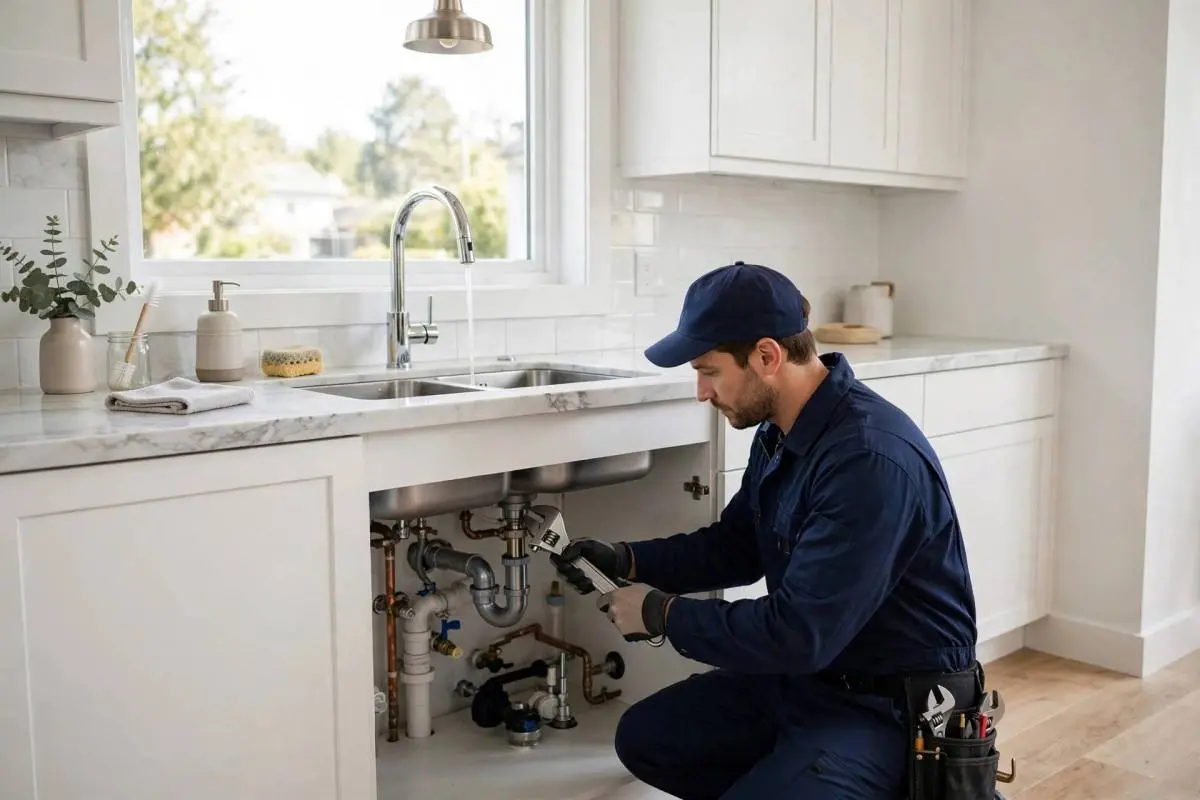
Weak showers and slow-filling faucets are more than an annoyance — they can signal hidden plumbing problems. Learn what causes low water pressure and how to fix it.
Read article →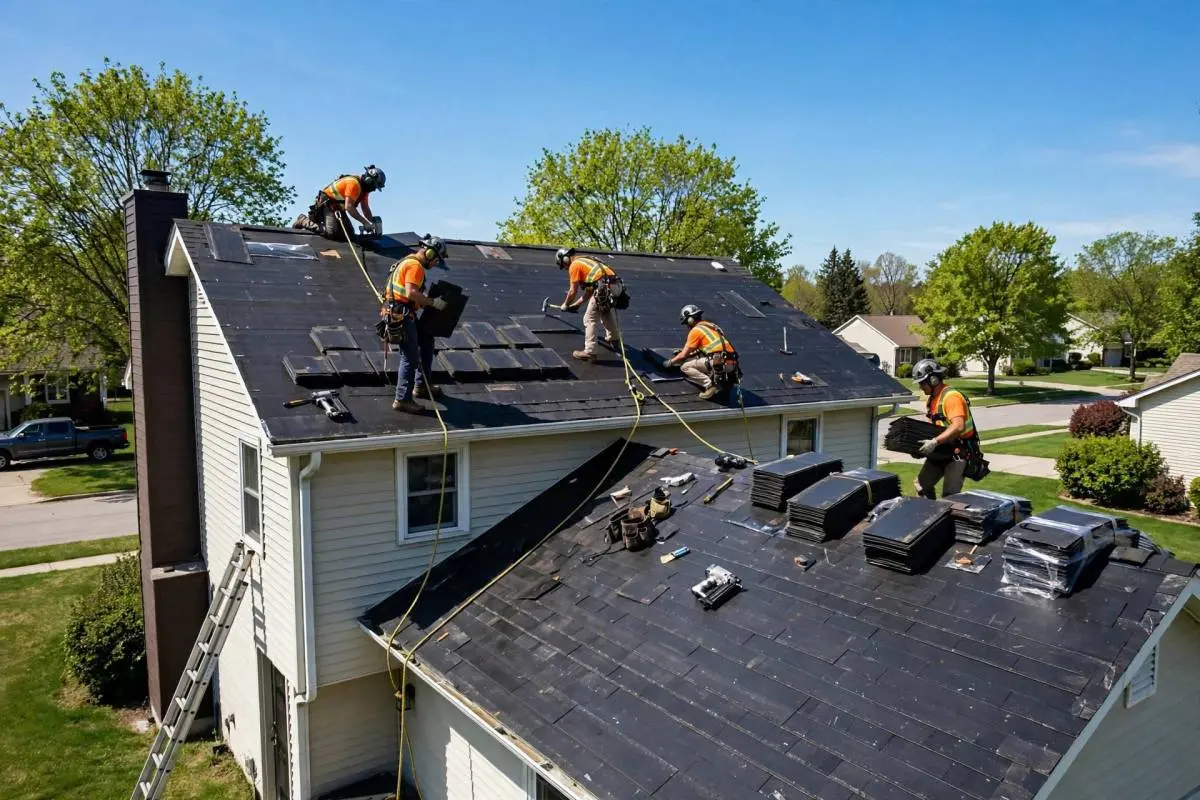
After hail, high winds, or a hurricane, a quick inspection can catch roof damage early. Use this step-by-step checklist before small problems become costly leaks.
Read article →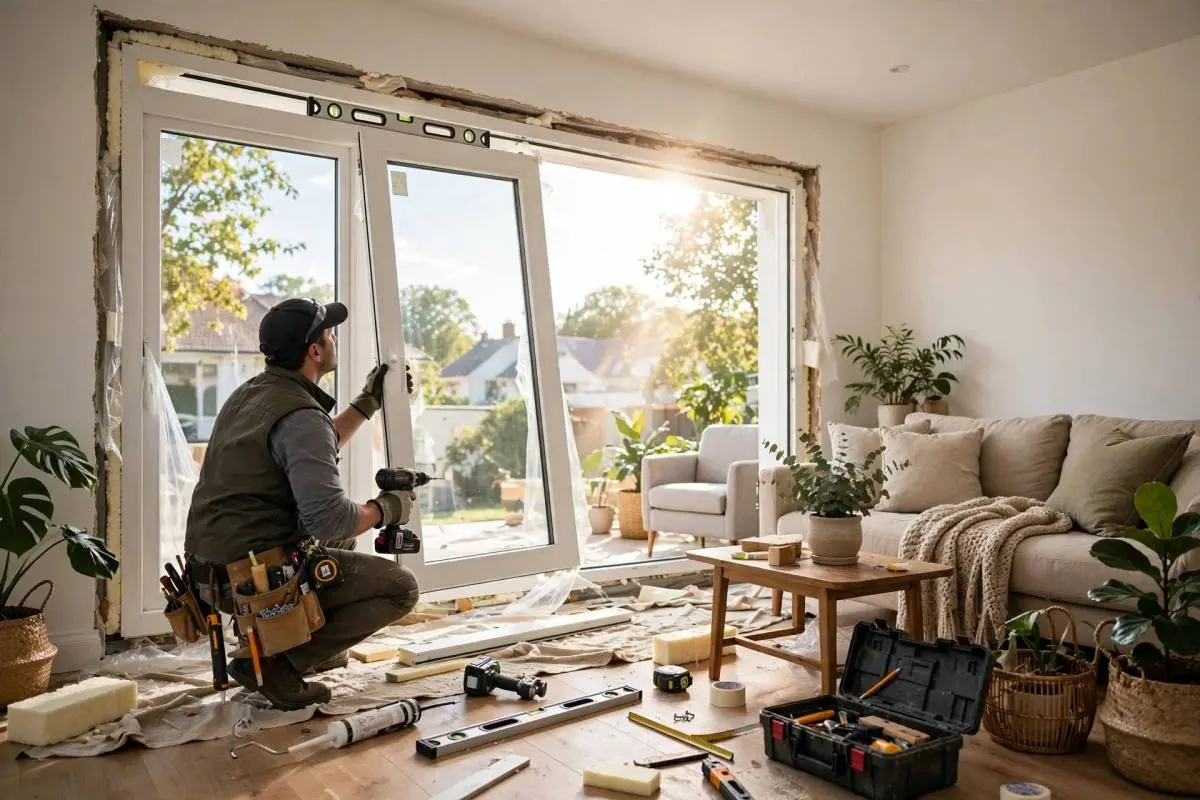
Triple-pane windows insulate better and hush outside noise — but cost 10–20% more. Learn when the upgrade pays off and when double-pane is the smarter buy.
Read article →Emergency? We answer 24/7 and dispatch the nearest certified technician — most arrivals in under 60 minutes.