What Causes Low Water Pressure and How to Fix It
Weak showers and slow-filling faucets are more than an annoyance — they can signal hidden plumbing problems. Learn what causes low water pressure and how to fix it.
Read article →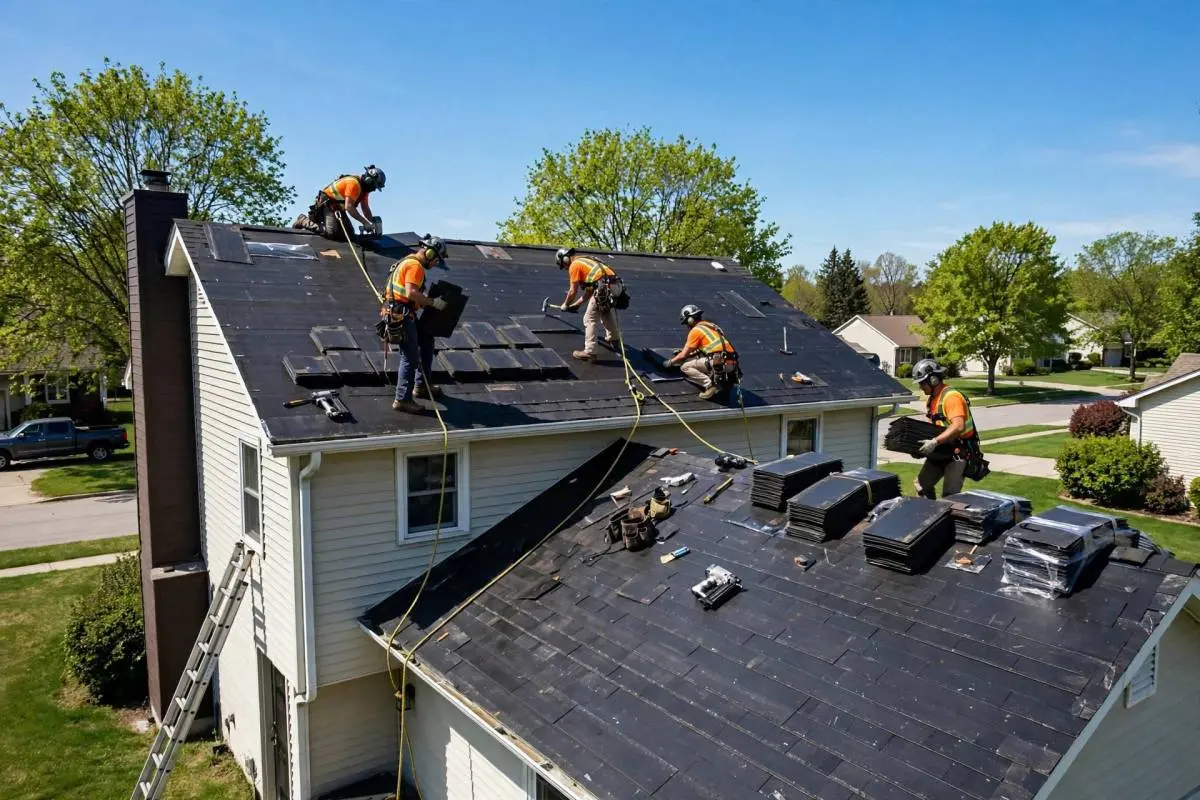
Your roof is the hardest-working part of your home, and it is also the one you probably think about the least — until something goes wrong. One of the most common questions homeowners ask is a simple one: how long does a roof actually last? It matters because a full replacement is a major investment, typically $8,000 to $20,000 or more depending on your home's size and the material you choose. The honest answer is that lifespan depends almost entirely on the roofing material, with realistic ranges stretching from about 15 years to well over a century. But the material is only half the story. Your local climate, the quality of the original installation, attic ventilation, and how well you maintain the roof can easily add or subtract a decade from its expected life.
Asphalt shingles are by far the most common roofing material in the United States, covering roughly 80 percent of homes. Standard three-tab shingles typically last 15 to 20 years, while architectural (dimensional) shingles last 20 to 30 years, and premium architectural shingles can reach 30 years with good care. They are popular because they balance affordability with solid performance — an asphalt roof for an average home usually costs $8,000 to $15,000. Their weak points are extreme heat, which accelerates aging, and high winds, which can lift or tear shingles. If your home still has its original builder-grade shingles and is pushing 20 years, it is time to start budgeting for a replacement, even if nothing is leaking yet.
Metal roofing has surged in popularity over the past decade, and lifespan is the main reason why. A standing-seam metal roof typically lasts 40 to 70 years, and some systems carry 50-year warranties. Metal resists fire, sheds snow and rain easily, and handles high winds far better than shingles. It also reflects solar heat, which can lower summer cooling costs — something worth discussing with an HVAC professional when you are evaluating energy upgrades. The catch is the upfront cost: a metal roof usually runs $15,000 to $30,000 or more for an average home, roughly two to three times the price of asphalt. Spread over a 50-year life, though, metal often costs less per year than replacing shingles twice.
If you are looking at the long end of the spectrum, tile and slate are in a class of their own. Clay and concrete tile roofs commonly last 50 to 100 years, and natural slate can last 75 to 150 years — there are slate roofs in Europe still performing after two centuries. Both are heavy, fire-resistant, and beautiful, but they come with real trade-offs. Tile and slate cost $20,000 to $45,000 or more installed, and their weight may require reinforcing your roof structure. Wood shakes and shingles, by contrast, last 20 to 40 years and offer a classic look, but they demand more maintenance and are restricted by fire codes in some areas. Flat or low-slope roofs, common on additions and some modern homes, typically use membrane systems like TPO or EPDM that last 20 to 30 years.
Whatever material you choose, a few factors determine whether your roof hits the top or bottom of its expected range. Proper attic ventilation is one of the biggest — trapped heat and moisture cook shingles from underneath and void many manufacturer warranties. Installation quality matters just as much; a rushed job with poor flashing or misaligned shingles will fail years early. Your climate plays a role too: intense sun, hail, hurricanes, and freeze-thaw cycles all accelerate wear. Regular maintenance — clearing debris, cleaning gutters, trimming overhanging branches, and getting a professional inspection every couple of years — is the cheapest way to push your roof toward its maximum lifespan. A trusted roofing contractor can spot small issues like lifted flashing before they become expensive leaks.
So how do you know when your roof's time is up? Watch for curling or missing shingles, bald spots where granules have worn away, daylight visible through roof boards in the attic, sagging areas, and water stains on ceilings or walls. If your asphalt roof is over 20 years old and showing several of these signs, replacement is usually smarter than another round of repairs. When you are ready, get at least three detailed written estimates, verify licensing and insurance, and ask about both material and workmanship warranties. If a replacement is in your future, you may also want to consider window replacement at the same time, since bundling exterior projects can save on labor and scaffolding costs.
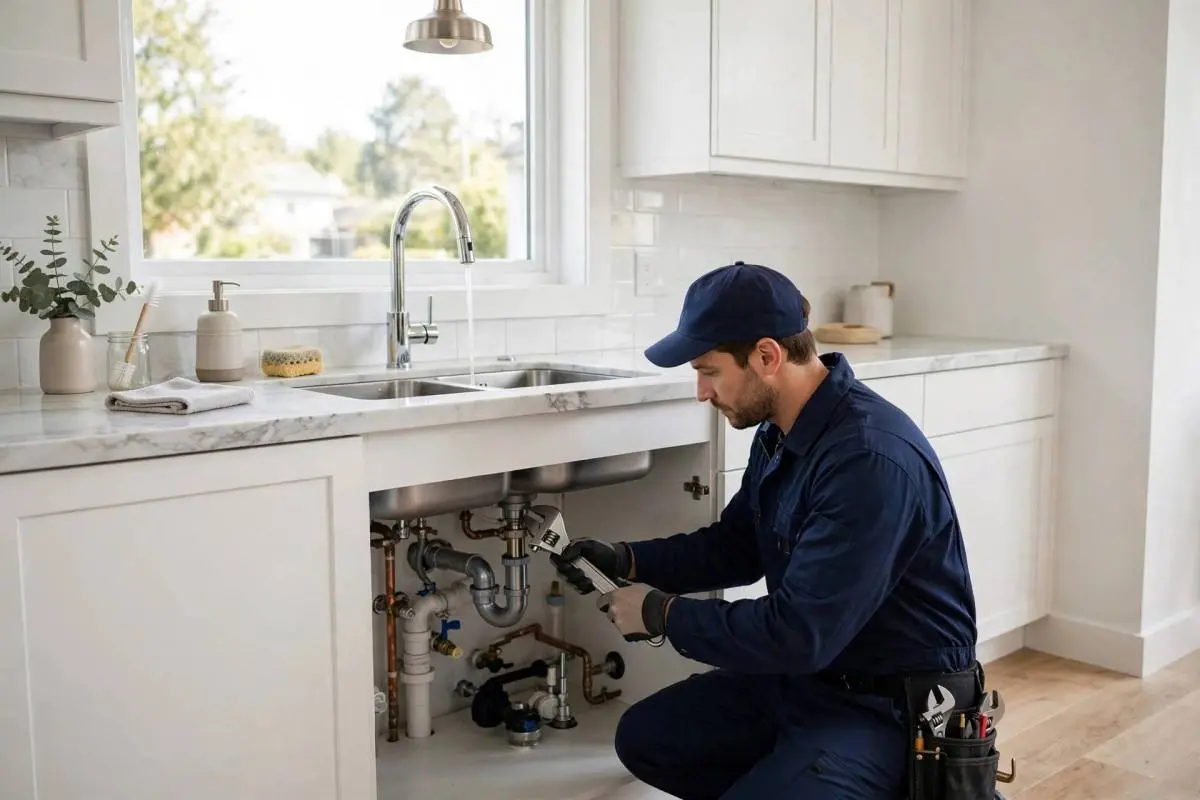
Weak showers and slow-filling faucets are more than an annoyance — they can signal hidden plumbing problems. Learn what causes low water pressure and how to fix it.
Read article →
After hail, high winds, or a hurricane, a quick inspection can catch roof damage early. Use this step-by-step checklist before small problems become costly leaks.
Read article →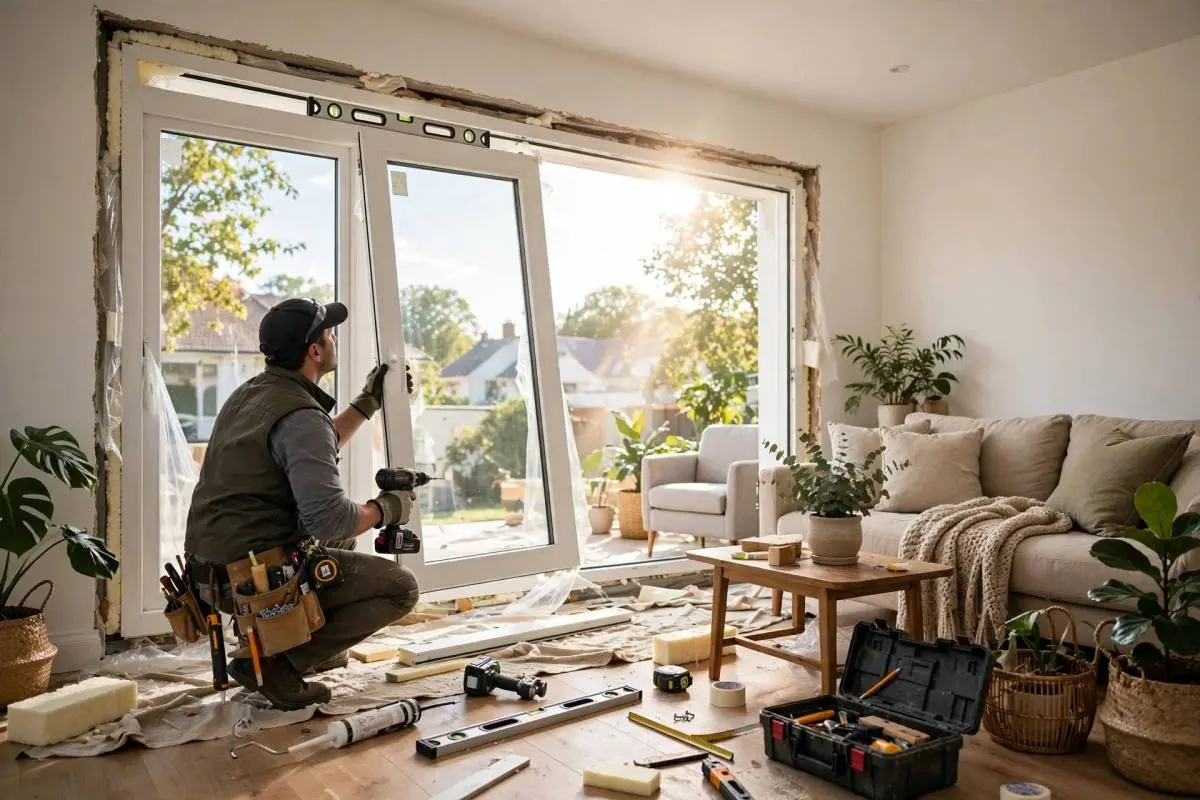
Triple-pane windows insulate better and hush outside noise — but cost 10–20% more. Learn when the upgrade pays off and when double-pane is the smarter buy.
Read article →Emergency? We answer 24/7 and dispatch the nearest certified technician — most arrivals in under 60 minutes.