What Causes Low Water Pressure and How to Fix It
Weak showers and slow-filling faucets are more than an annoyance — they can signal hidden plumbing problems. Learn what causes low water pressure and how to fix it.
Read article →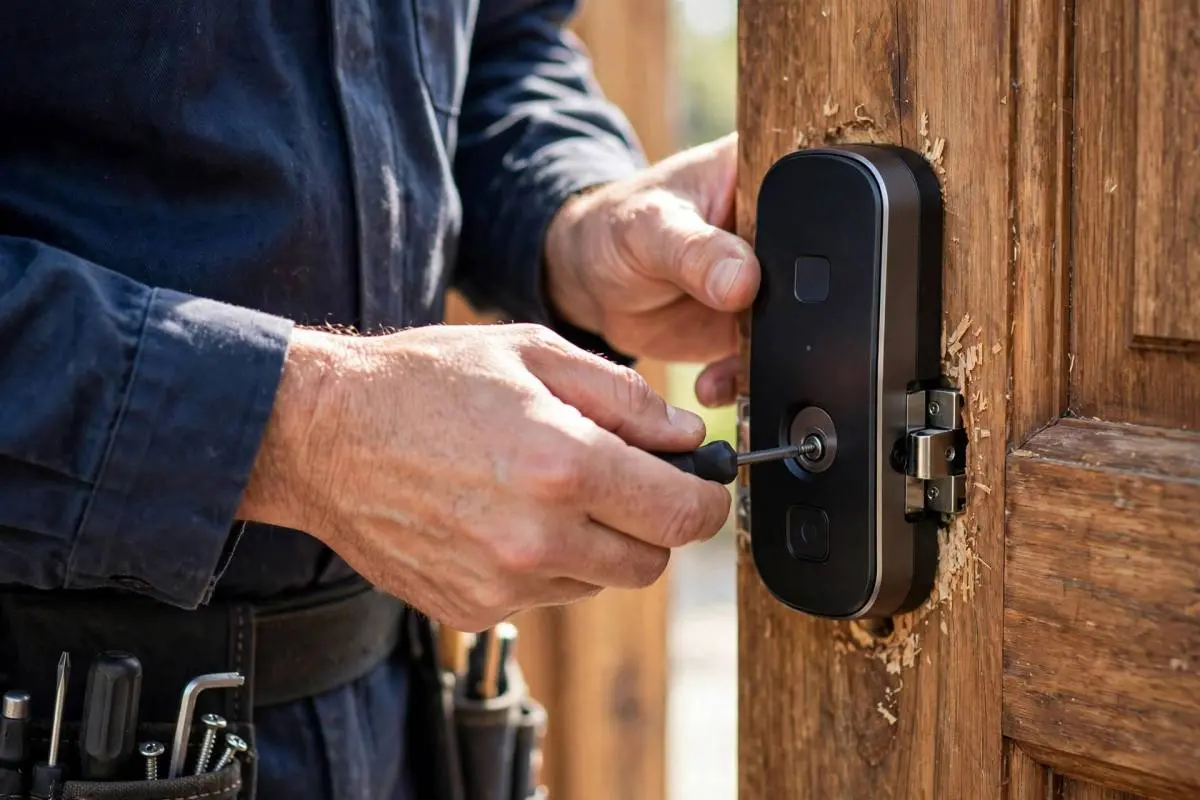
Rekeying means changing the internal pins of a lock so the old keys stop working and only the new keys open it. People usually ask about it right after moving into a new home, after losing a key, or when someone who used to have a key no longer should. It is one of the cheapest ways to take control of who can enter your home, and it is far less expensive than replacing every lock — which is exactly why many homeowners hope their home warranty will pick up the bill.
A standard home warranty is not the same thing as home insurance, and it does not cover everything in the house. In general, it covers mechanical breakdowns of major systems and appliances caused by normal wear and tear — things like a furnace that stops running or a dishwasher that fails. What it typically does not cover is routine maintenance, cosmetic work, pre-existing problems, and security upgrades. Rekeying usually falls into that second group: it is maintenance and security, not a breakdown. So in most standard contracts, rekeying simply because you moved in or lost a key is not covered.
There are cases where coverage is possible, and they depend on the exact contract. If a lock mechanism itself fails mechanically — a deadbolt that jams or a latch that breaks through normal use, rather than a request for new keys — that failure may fall under a covered component. Some warranty companies also sell lock and key coverage as an optional add-on, and a few contracts include it in a higher tier. The only way to know is to read the covered-items list and the exclusions section of your own contract, not the marketing summary. Note that even covered claims usually involve a service-call fee and a coverage cap, so ask what those are before you authorize work.
If you believe your situation is a covered failure, call the warranty company first and get the claim authorized before hiring anyone. Warranty companies can refuse claims for work they did not approve, and a locksmith visit that happens first may not be reimbursed even if the failure itself was covered. Describe the failure precisely — what broke, when it started, and whether the lock still functions at all — and keep the claim number, the technician's paperwork, and photos of the failed lock. If the company says rekeying is not covered, that answer itself is useful: it tells you to go ahead and book it directly instead of waiting on a claim that will not come.
Whatever the warranty says, do not delay rekeying a home you just moved into while a claim is being decided. You cannot know how many copies of the old keys exist, and that uncertainty is the whole reason to rekey. Our locksmith team serves the areas listed on our service areas page. Call Join Pro Home Services at +1 (603) 372-8478 to describe the job and get an upfront flat-rate price before any work starts.
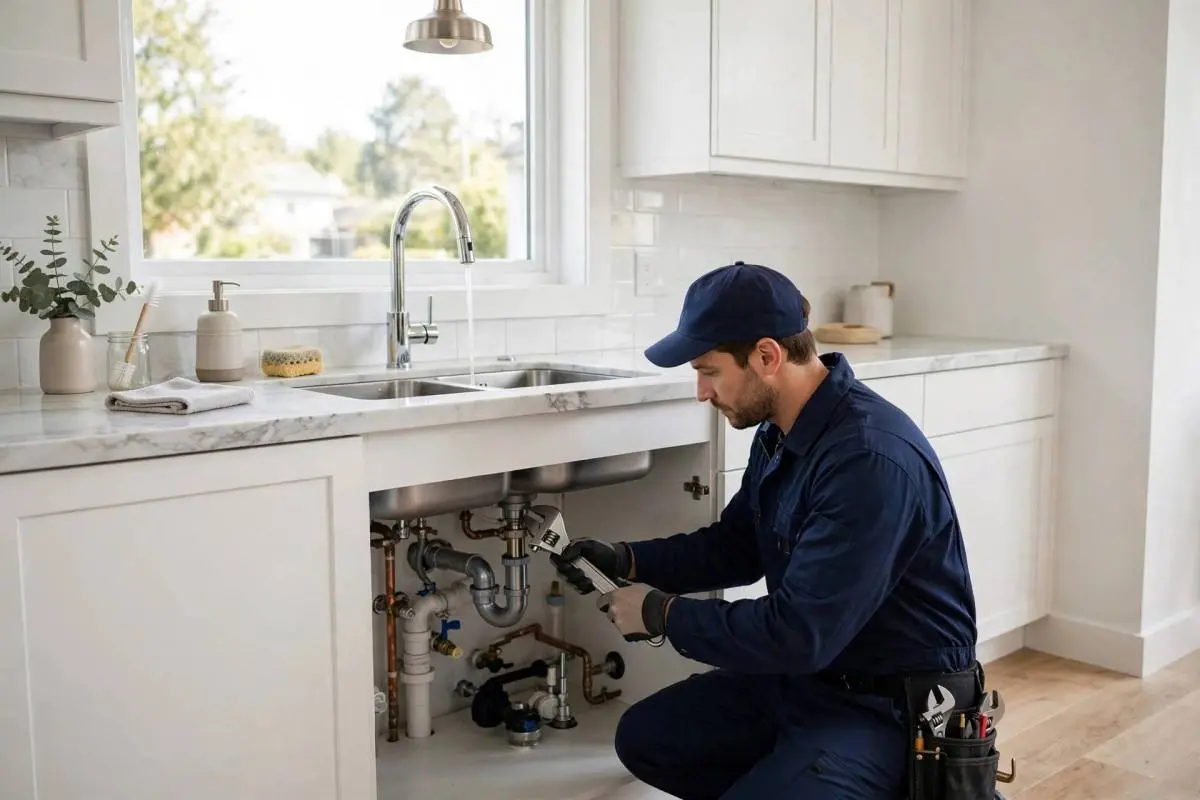
Weak showers and slow-filling faucets are more than an annoyance — they can signal hidden plumbing problems. Learn what causes low water pressure and how to fix it.
Read article →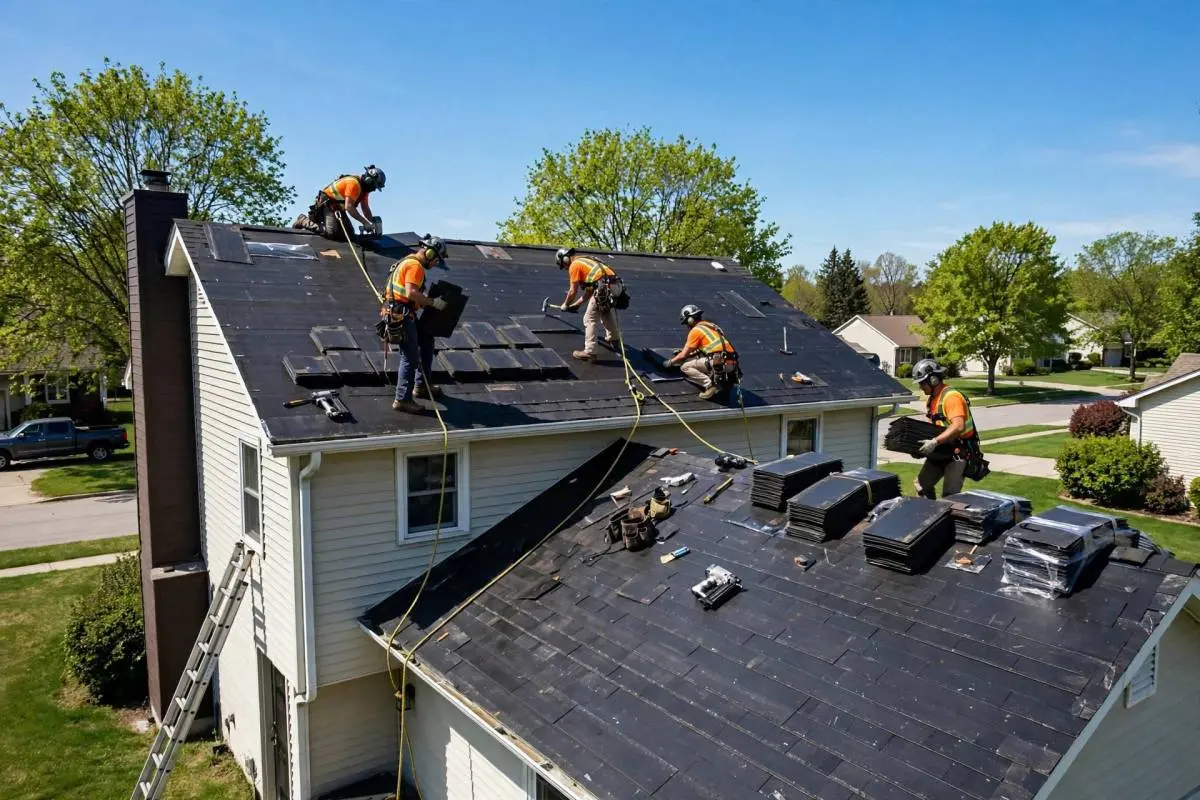
After hail, high winds, or a hurricane, a quick inspection can catch roof damage early. Use this step-by-step checklist before small problems become costly leaks.
Read article →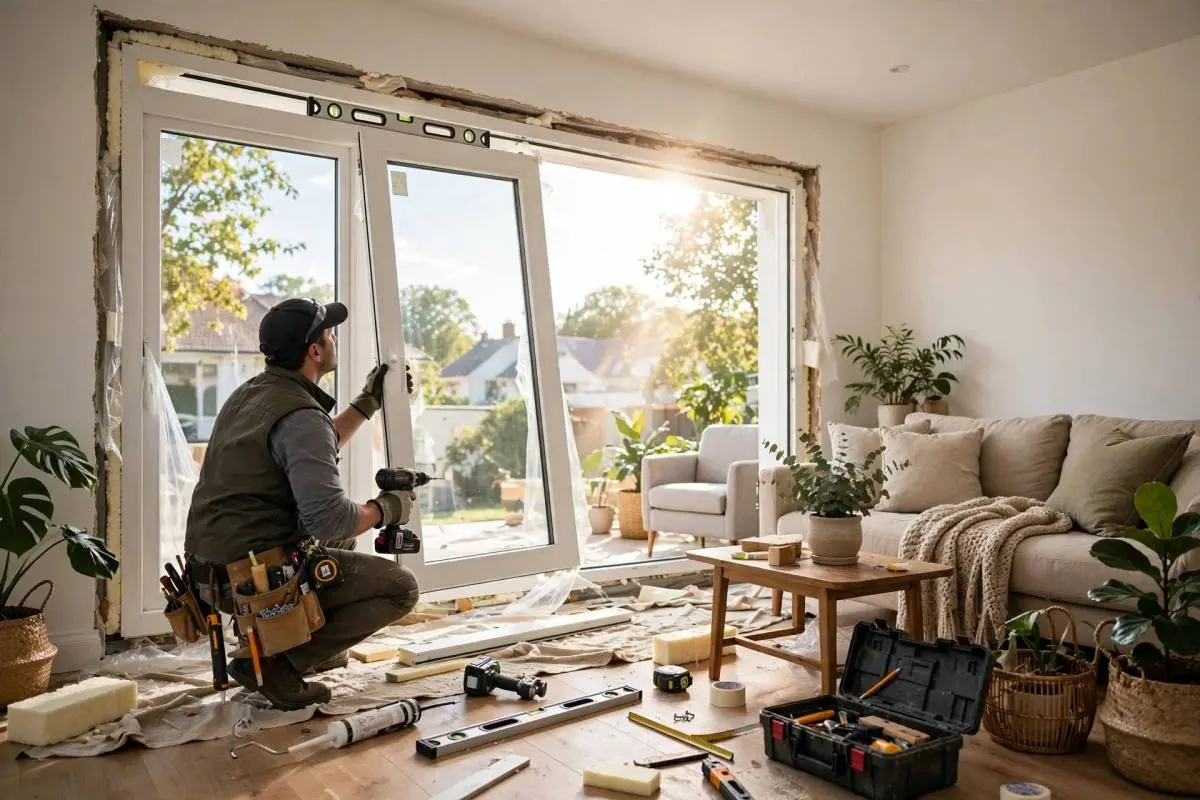
Triple-pane windows insulate better and hush outside noise — but cost 10–20% more. Learn when the upgrade pays off and when double-pane is the smarter buy.
Read article →Emergency? We answer 24/7 and dispatch the nearest certified technician — most arrivals in under 60 minutes.