What Causes Low Water Pressure and How to Fix It
Weak showers and slow-filling faucets are more than an annoyance — they can signal hidden plumbing problems. Learn what causes low water pressure and how to fix it.
Read article →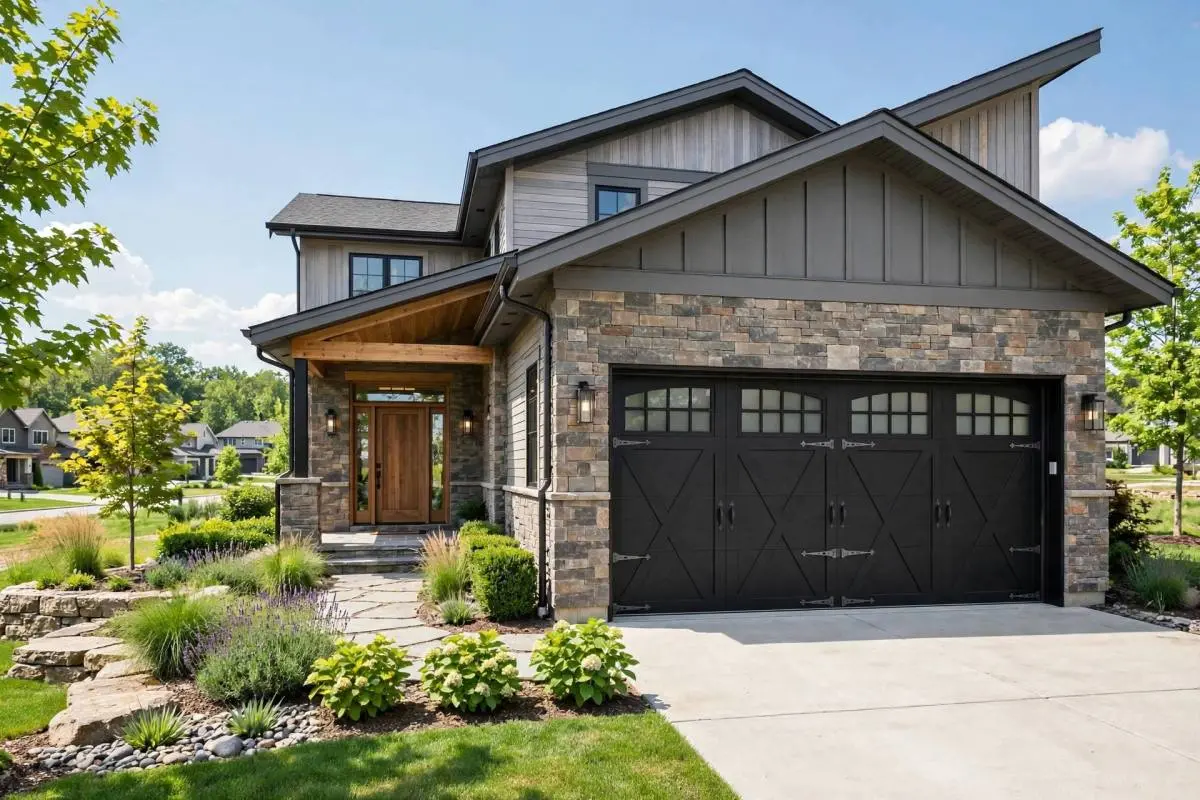
Your garage door opener gets all the credit, but the springs do the real work. A standard double-car garage door can weigh 150 to 250 pounds, and the opener motor is only designed to guide that weight up and down — the springs are what actually counterbalance it. There are two types: torsion springs, the tightly wound coils mounted on a shaft above the door, and extension springs, the long stretched coils running along the tracks on either side. Torsion systems are the modern standard — smoother, safer, and longer-lasting. Either way, springs have a finite lifespan, usually rated around 10,000 open-close cycles, which works out to roughly 7 to 10 years for a typical household. Every cycle fatigues the steel a little more, and when a spring finally fails, it fails suddenly and completely.
The most dramatic sign is the one nobody misses: a loud bang from the garage, like a firecracker going off, followed by a door that won't budge. That's a torsion spring snapping. Other signs are subtler. If the door suddenly feels much heavier when lifted manually — with the opener disconnected, a balanced door should lift smoothly with one hand and stay put halfway open — the springs are weakening. A door that opens unevenly or hangs crooked often points to one of two extension springs stretching faster than the other. You can also just look: a visible gap of an inch or two in a torsion spring's coil means it has broken clean through. And if your opener strains, hesitates, or reverses for no reason, worn springs may be forcing the motor to work far beyond its design load.
Here's the part that matters most: replacing garage door springs is not a DIY project, no matter how confident the tutorial video makes you feel. A wound torsion spring stores an enormous amount of energy — enough to lift a quarter-ton door — and releasing it wrong can send winding bars flying with bone-breaking force. Emergency rooms see thousands of garage door injuries every year, and spring work accounts for a disproportionate share of the serious ones. Professionals use two solid steel winding bars (never screwdrivers, never substitutes), secure the door, and unwind and rewind the spring in controlled quarter-turns. They also know exactly how many turns a given spring needs based on door height — too few and the door is heavy, too many and it can slam or fly open. This is one of the rare home repairs where the right call is unambiguous: call a garage door technician.
A proper spring replacement starts with identification, not just swapping parts. The technician measures the wire diameter, coil length, and inside diameter of the old spring (or reads its color code) to match the exact specification — springs are precisely calibrated to the door's weight, and a close-enough guess leaves you with a door that's heavy, jumpy, or hard on the opener. Most pros replace both springs at once even if only one broke, because the second is living on borrowed time and you'll be paying for a second service call within months otherwise. They'll also inspect the lift cables, pulleys, and bearings while everything is apart; frayed cables are a common companion problem, and replacing them during the same visit saves labor. The whole job typically takes an experienced tech under an hour, and it ends with a balance test: the door should stay put at waist height when released.
Cost depends on spring type, door size, and how many springs you're replacing. Extension spring replacement is the simpler job and typically runs $150–$250 all-in. Torsion springs — the more common setup — typically cost $200–$400 for a standard single or double-car door, parts and labor included. Heavier doors (insulated steel, wood, or oversized) need beefier springs and land at the higher end. Many companies also offer high-cycle springs rated for 20,000 or 30,000 cycles instead of the standard 10,000; they cost more upfront but make sense if you cycle the door four or more times a day. Be wary of quotes that seem too good to be true — bargain springs are often underrated for the door, which shortens their life and strains the opener. A reputable garage door service will itemize parts and labor and warranty both.
After the replacement, a few habits keep the new springs healthy. First, have the opener's force settings checked and adjusted — an opener that was cranked up to compensate for dying springs will slam a properly balanced door. Second, lubricate the springs twice a year with a silicone-based spray; it reduces friction between coils and slows rust, the main spring-killer in humid climates. Third, don't ignore new noises or changes in how the door feels — catching a weakening spring early means a planned service call instead of a car trapped in the garage on a workday morning. Most quality springs carry a multi-year warranty, so keep the paperwork.
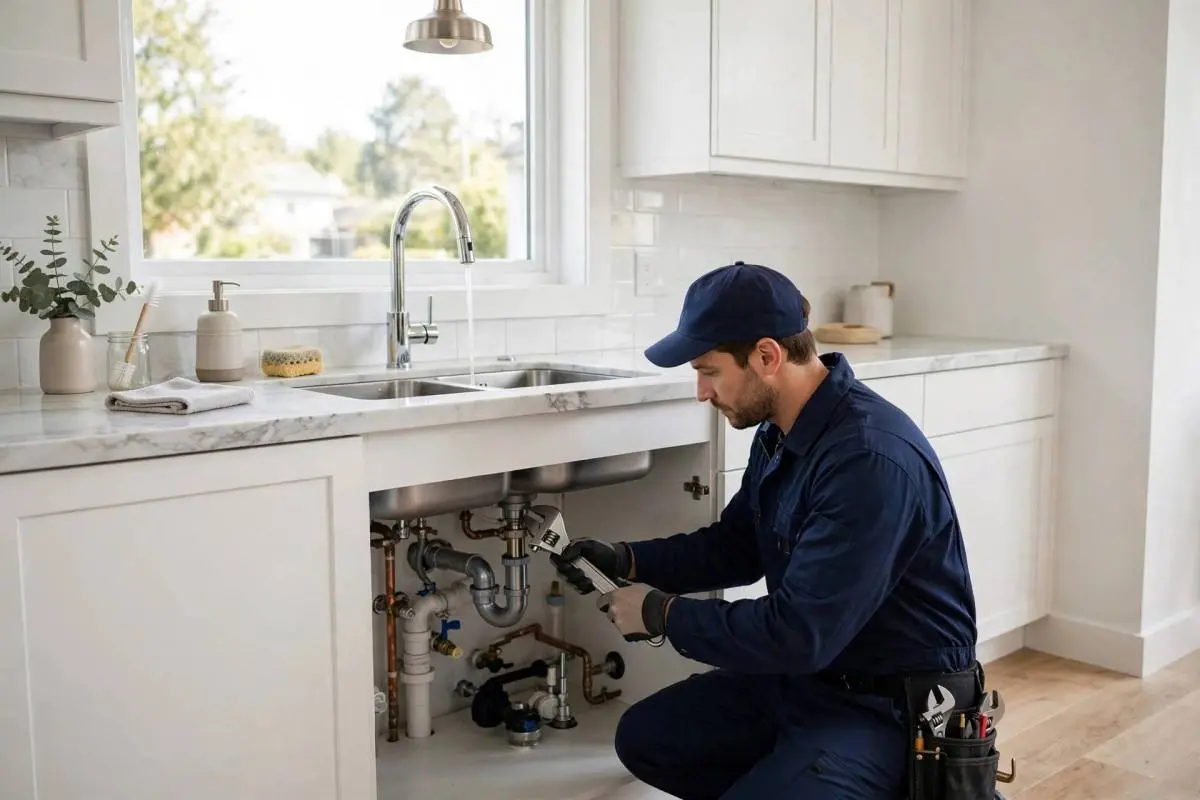
Weak showers and slow-filling faucets are more than an annoyance — they can signal hidden plumbing problems. Learn what causes low water pressure and how to fix it.
Read article →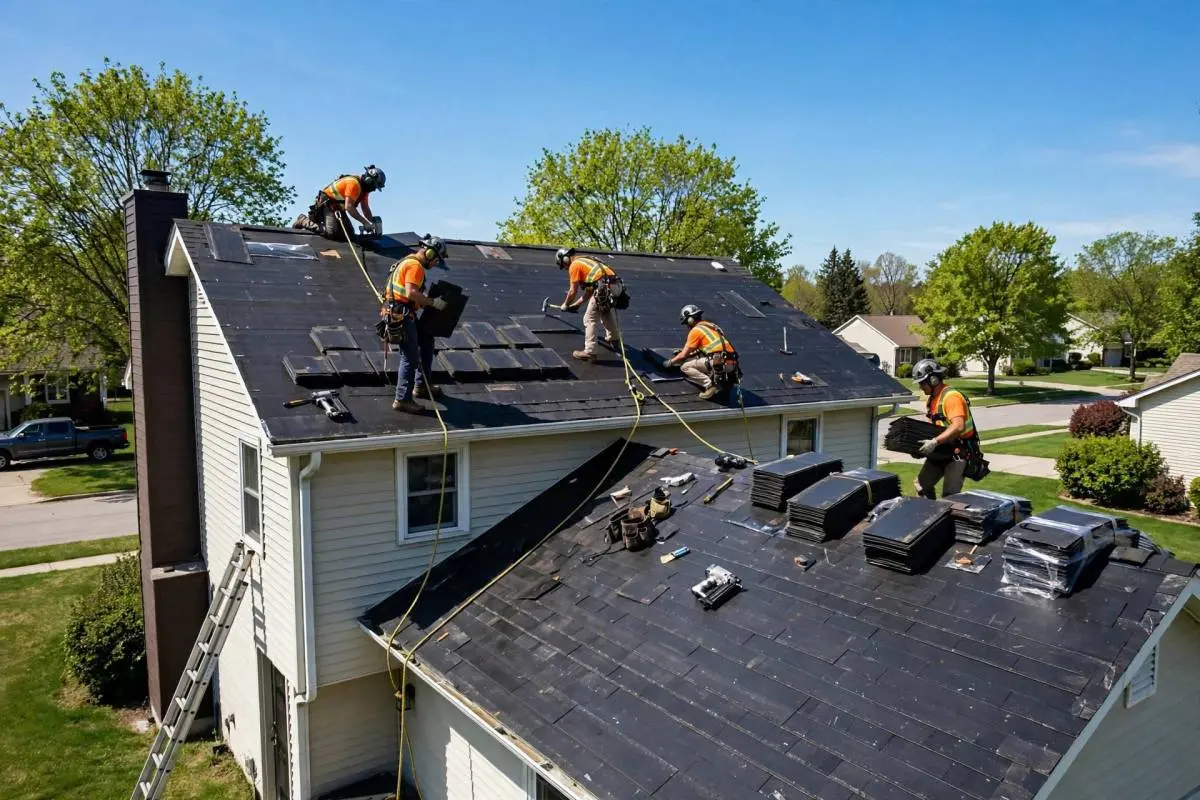
After hail, high winds, or a hurricane, a quick inspection can catch roof damage early. Use this step-by-step checklist before small problems become costly leaks.
Read article →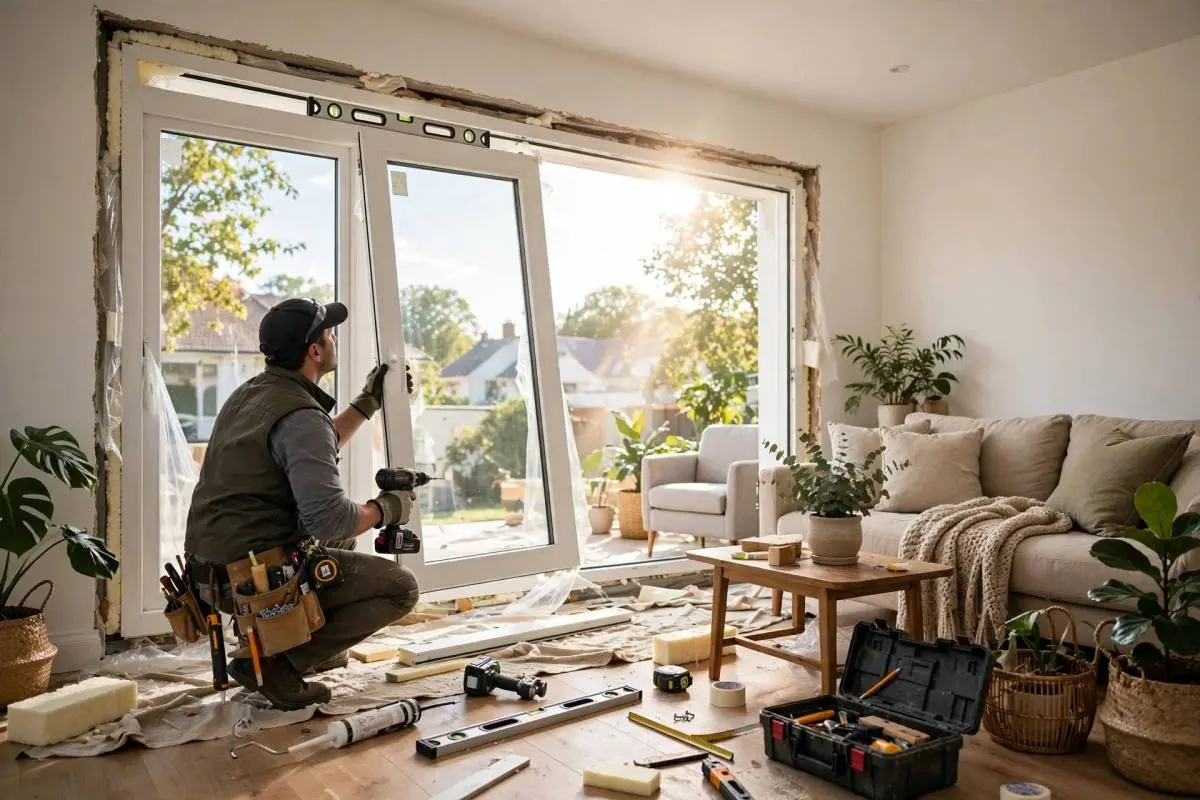
Triple-pane windows insulate better and hush outside noise — but cost 10–20% more. Learn when the upgrade pays off and when double-pane is the smarter buy.
Read article →Emergency? We answer 24/7 and dispatch the nearest certified technician — most arrivals in under 60 minutes.