What Causes Low Water Pressure and How to Fix It
Weak showers and slow-filling faucets are more than an annoyance — they can signal hidden plumbing problems. Learn what causes low water pressure and how to fix it.
Read article →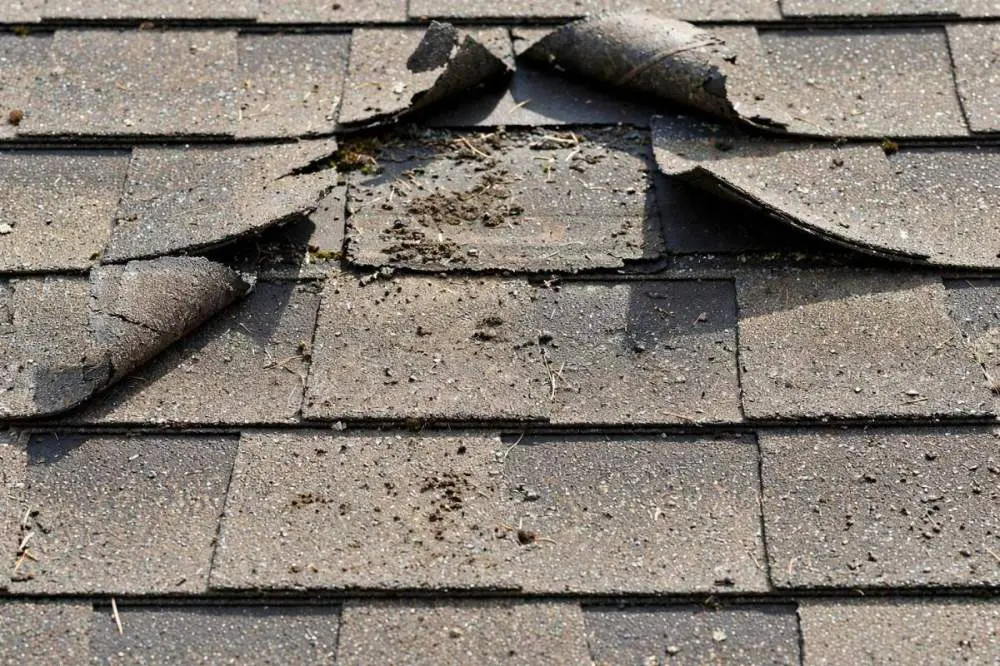
Not all windows save energy equally, and the marketing jargon does not make it easy to compare. Understanding a few key ratings helps you choose windows that genuinely lower your heating and cooling bills. This guide decodes the labels so you can shop with confidence. The right windows can cut energy loss by 25 to 50 percent.
Start with the U-factor, which measures how well a window insulates — lower is better. In most US climates, look for a U-factor of 0.30 or below. Next is the Solar Heat Gain Coefficient (SHGC), which measures how much sun heat passes through. Hot climates want a low SHGC to block heat; cold climates can accept a higher one to welcome free solar warmth. Both numbers appear on the NFRC label of every certified window.
Low-E coatings are microscopic metal layers that reflect heat while letting light through — they are the single biggest efficiency upgrade in modern windows. Argon or krypton gas between the panes insulates better than plain air. Warm-edge spacers reduce heat transfer at the glass edges. Together, these features transform a window from an energy hole into an asset. Our energy-efficient window installation includes all of these as standard options.
Frame material affects efficiency too. Vinyl and fiberglass insulate better than aluminum, which conducts heat readily. Look for the ENERGY STAR label certified for your climate zone — it guarantees the window meets strict efficiency thresholds. Proper installation matters as much as the window itself; even the best unit underperforms if air leaks around the frame.
Think of windows as part of a whole-home efficiency system. Sealing ductwork, adding attic insulation, and tuning your heating and cooling multiply the savings. Our HVAC experts can assess your system alongside a window upgrade for maximum impact. Small improvements across the envelope add up fast.
The payback math is compelling. Efficient windows typically pay for themselves in 5 to 15 years through lower utility bills, then keep saving for decades. Add the comfort and resale value, and it is one of the soundest upgrades you can make. To explore efficient options for your home, contact us on WhatsApp.
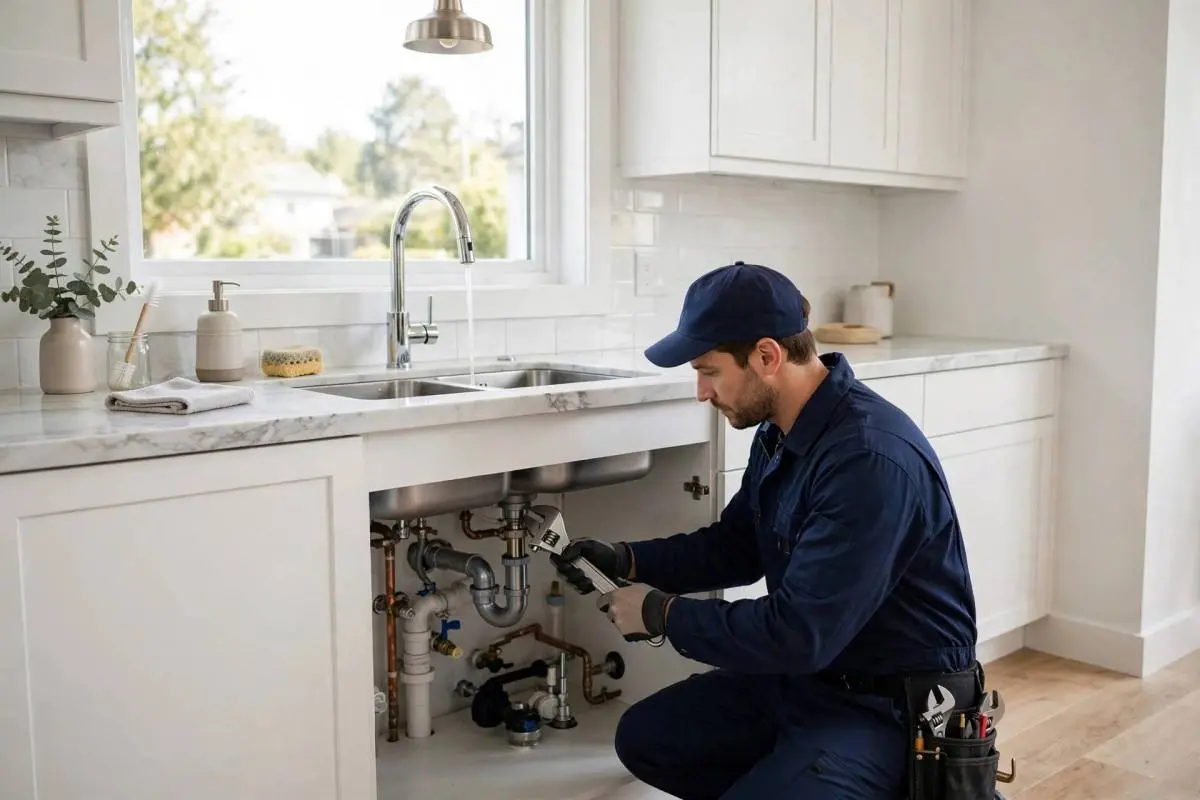
Weak showers and slow-filling faucets are more than an annoyance — they can signal hidden plumbing problems. Learn what causes low water pressure and how to fix it.
Read article →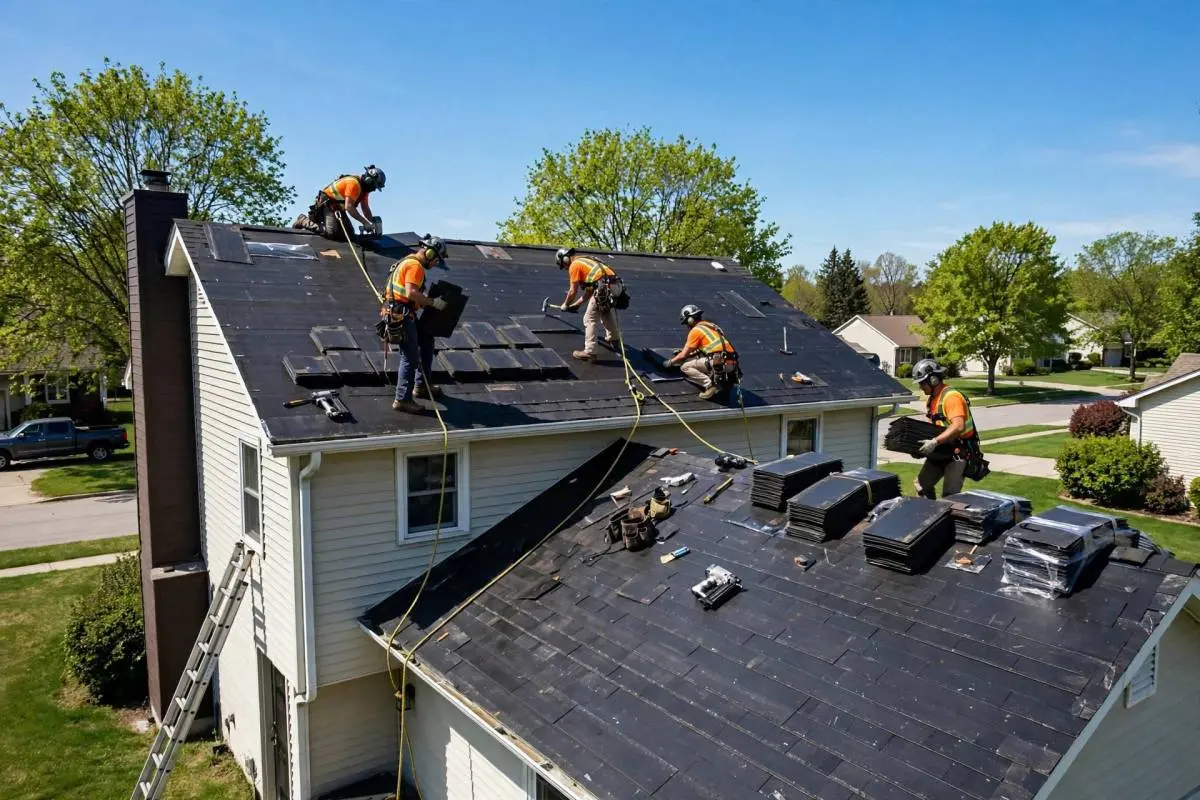
After hail, high winds, or a hurricane, a quick inspection can catch roof damage early. Use this step-by-step checklist before small problems become costly leaks.
Read article →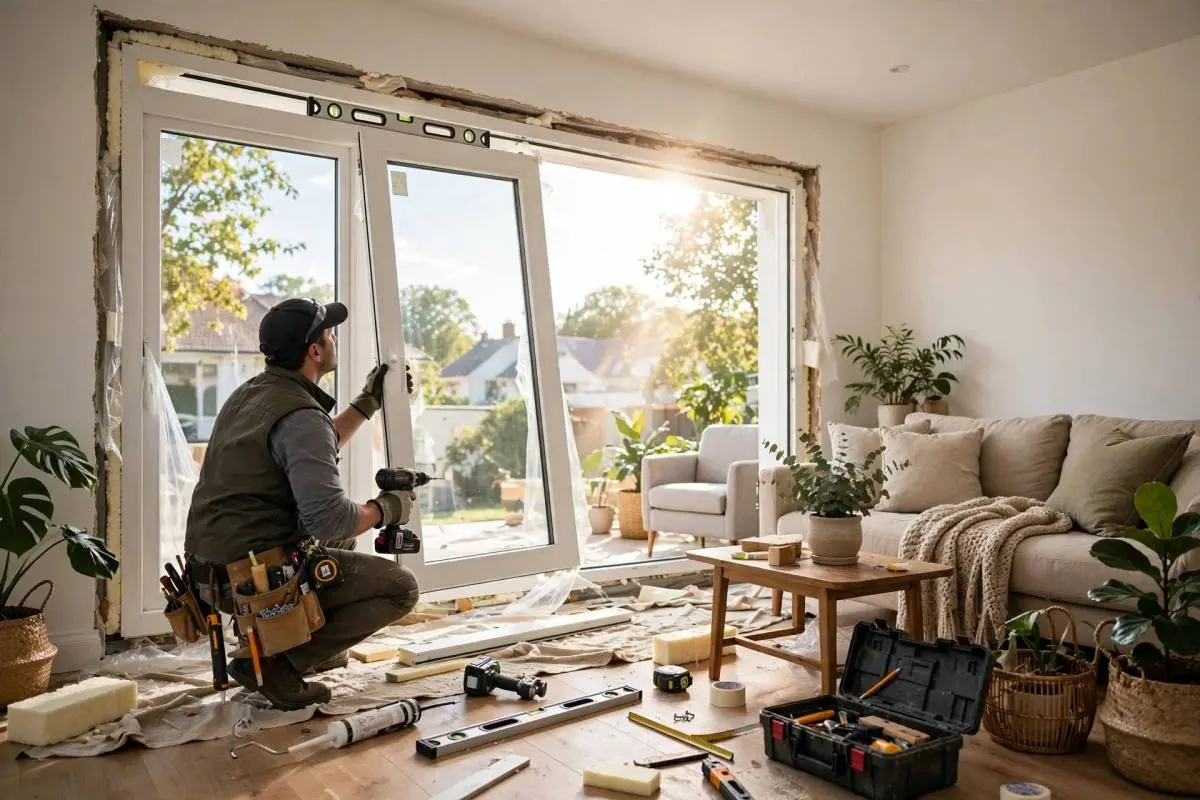
Triple-pane windows insulate better and hush outside noise — but cost 10–20% more. Learn when the upgrade pays off and when double-pane is the smarter buy.
Read article →Emergency? We answer 24/7 and dispatch the nearest certified technician — most arrivals in under 60 minutes.