What Causes Low Water Pressure and How to Fix It
Weak showers and slow-filling faucets are more than an annoyance — they can signal hidden plumbing problems. Learn what causes low water pressure and how to fix it.
Read article →
Plumbing is one of those areas where a confident DIYer can save real money, but it is also where a small mistake can cause major damage. Knowing which jobs are safe to tackle yourself and which require a licensed professional is the key to protecting both your wallet and your home.
Safe DIY territory includes replacing a faucet washer, installing a new showerhead, swapping out a toilet flapper, and clearing a simple sink clog with a plunger. These jobs need basic tools, have clear instructions, and carry very little risk if something goes sideways.
The line gets blurry with jobs like replacing a toilet or installing a garbage disposal. A handy homeowner can manage these with good instructions, but mistakes with wax rings or drain connections lead to slow leaks that rot subfloors over months. If you attempt them, double-check every connection and watch for moisture afterward.
Always call a professional for anything involving the main water line, sewer line, gas lines, or work inside walls. Sewer backups, repiping, and water heater installations require permits and code compliance in most areas. A licensed plumber also carries insurance, which matters if something goes wrong. For complex jobs, hiring a qualified plumber is cheaper than fixing a DIY disaster.
Water heater work deserves special caution. Electric and gas heaters involve high voltage or combustible fuel, and improper installation can be dangerous. Tankless units in particular need precise sizing and venting that goes beyond typical DIY skills.
A good rule of thumb: if the job requires cutting into walls, soldering pipes, or touching anything connected to gas, bring in a pro. If it is a straightforward swap of an accessible fixture and you have shut off the water, DIY is usually fine. When in doubt, ask a plumber for advice first, and remember that electrical work near water should always be left to licensed electricians.
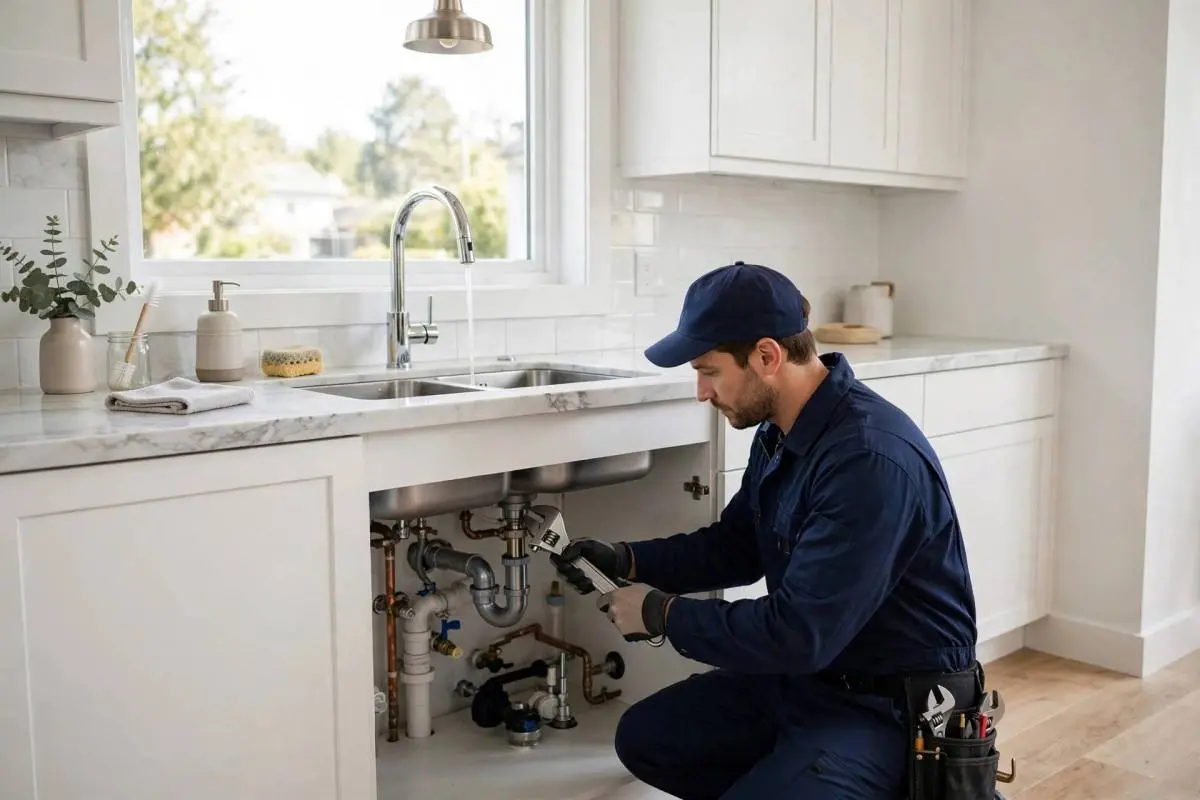
Weak showers and slow-filling faucets are more than an annoyance — they can signal hidden plumbing problems. Learn what causes low water pressure and how to fix it.
Read article →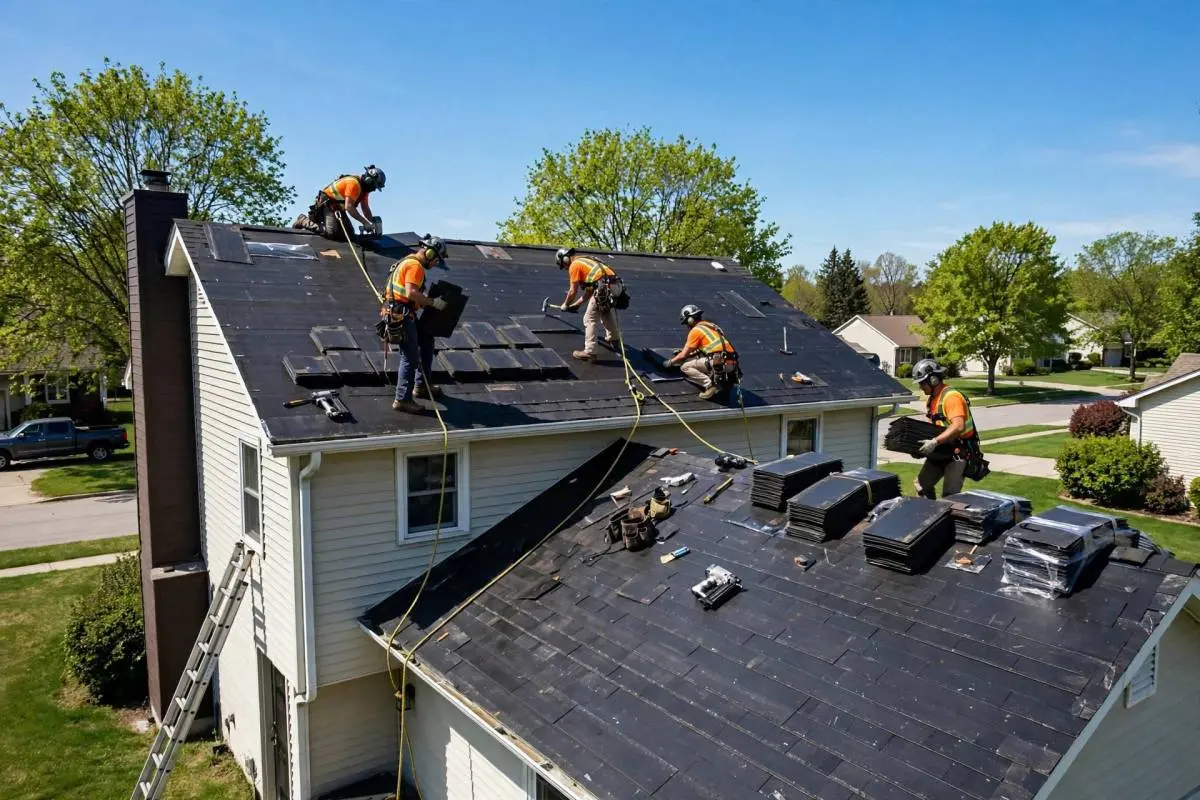
After hail, high winds, or a hurricane, a quick inspection can catch roof damage early. Use this step-by-step checklist before small problems become costly leaks.
Read article →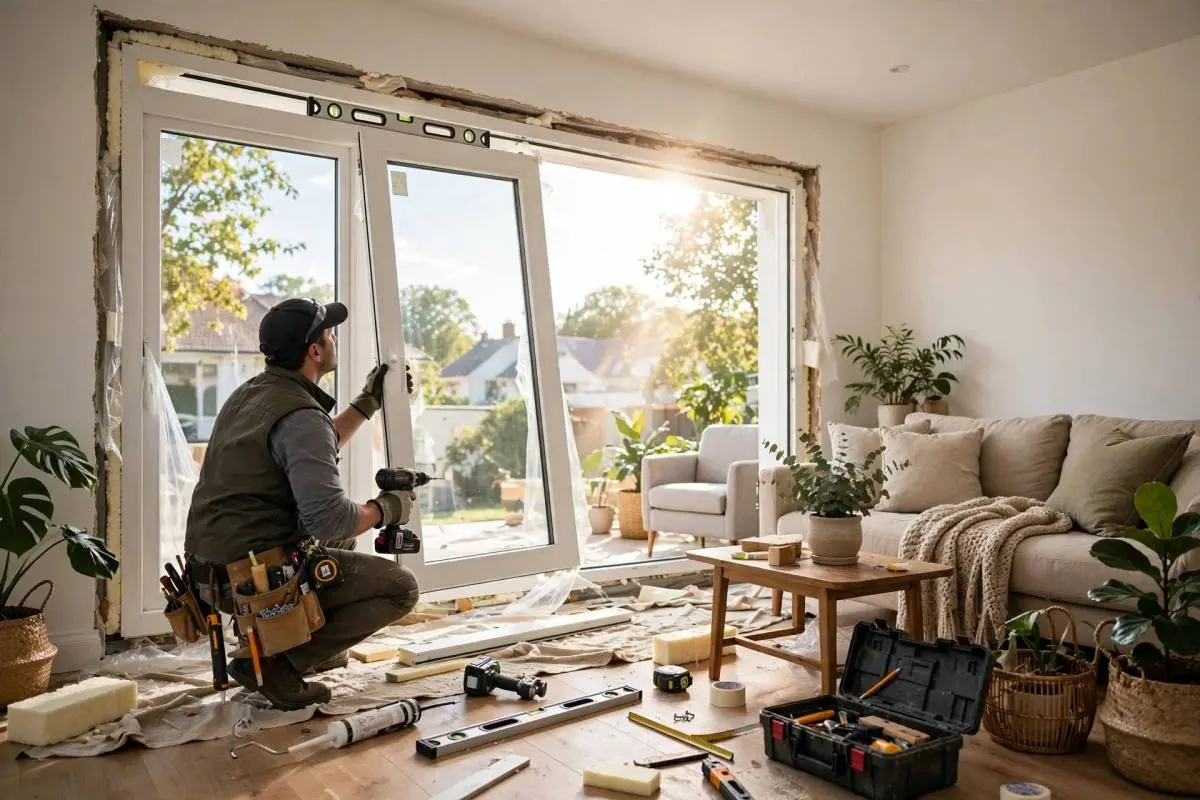
Triple-pane windows insulate better and hush outside noise — but cost 10–20% more. Learn when the upgrade pays off and when double-pane is the smarter buy.
Read article →Emergency? We answer 24/7 and dispatch the nearest certified technician — most arrivals in under 60 minutes.