What Causes Low Water Pressure and How to Fix It
Weak showers and slow-filling faucets are more than an annoyance — they can signal hidden plumbing problems. Learn what causes low water pressure and how to fix it.
Read article →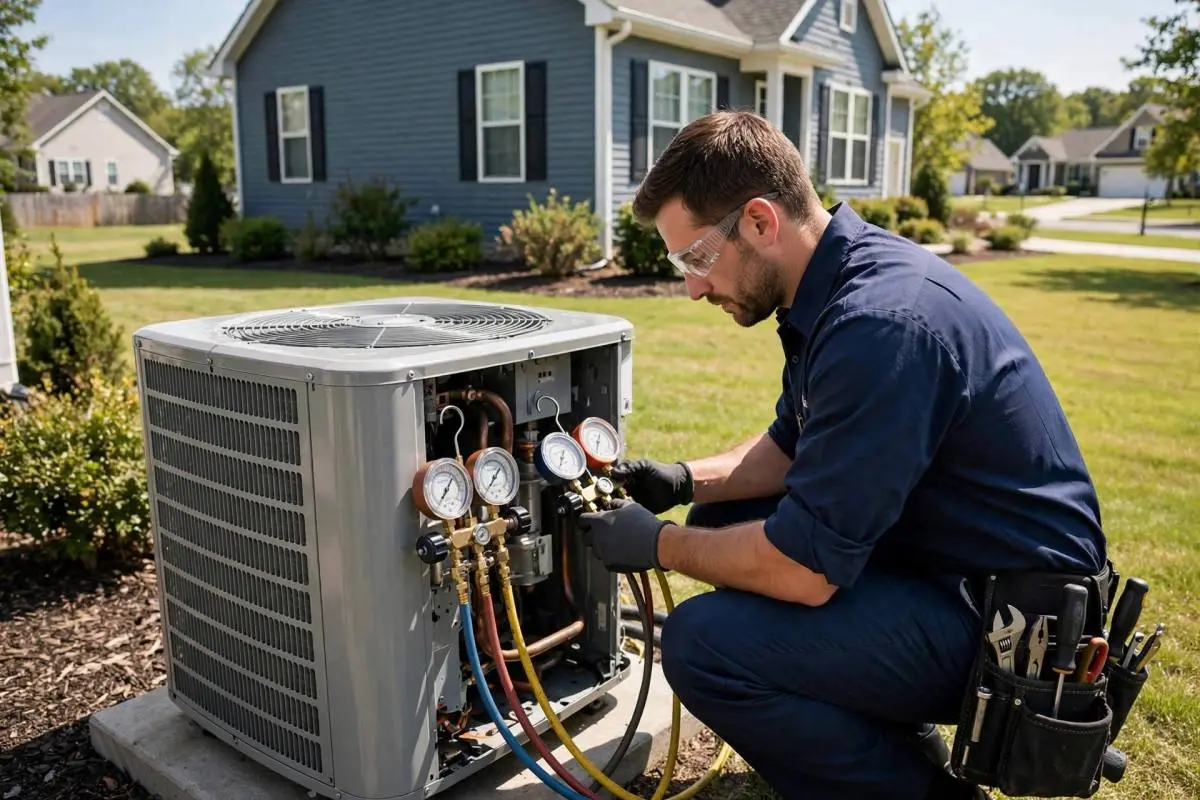
Nothing ruins a summer afternoon like an air conditioner that runs and runs but only blows warm or lukewarm air. Before you panic about a costly repair, know this: several of the most common causes are simple, cheap, or even free to fix. Work through the likely culprits in order, and you may solve it yourself in minutes.
First, check the thermostat — it sounds obvious, but it is the most common culprit. Make sure it is set to cool and not heat or fan only, and that the set temperature is actually below the current room temperature. If you have a programmable thermostat, check that a schedule did not override your setting. Also look at the fan setting: if the fan is set to on instead of auto, the blower runs constantly and blows room-temperature air between cooling cycles, which can feel like warm air coming from the vents.
Next, check your air filter. A severely clogged filter restricts airflow so much that the evaporator coil can freeze over. When the coil ices up, it cannot absorb heat from your home's air, and the system blows warm — or the airflow drops to almost nothing. If you find ice on the indoor coil or the refrigerant lines, turn the system off and let it thaw completely (this can take several hours), replace the filter, and then restart. If it freezes again, there is a deeper problem and it is time to call a professional.
Refrigerant issues are the next most common cause. Your AC does not use up refrigerant — it circulates the same charge in a sealed loop. So if refrigerant is low, there is a leak somewhere, and simply topping it off without finding the leak is a temporary and wasteful fix. Signs of low refrigerant include warm air, ice on the outdoor unit's lines, and a hissing sound near the equipment. Refrigerant handling requires EPA certification, so this is strictly a job for a licensed HVAC technician, who can locate the leak, repair it, and recharge the system properly.
Electrical and component problems can also stop cooling. A failed capacitor — a common and relatively inexpensive part — can prevent the outdoor condenser's compressor or fan from starting, so the indoor blower just circulates uncooled air. A tripped breaker or blown fuse to the outdoor unit produces the same symptom: air handler running, no cooling. Check your electrical panel for a tripped breaker before assuming the worst. Dirty condenser coils are another frequent offender — if the outdoor unit is choked with grass clippings, leaves, and dirt, it cannot release heat effectively, and cooling capacity plummets. Gently hosing off the outdoor coils (with the power off) is safe, easy maintenance.
Sometimes the problem is not the equipment at all but the ductwork. Leaky ducts in a hot attic can lose 20–30% of your cooled air before it ever reaches your rooms, and disconnected ducts can dump cold air into the attic while your vents blow warm. If some rooms cool fine while others stay warm, or your energy bills have climbed while comfort has dropped, duct problems are a prime suspect. A professional duct inspection with a blower-door or pressure test will find leaks you cannot see.
Finally, consider the age and size of your system. An air conditioner that is 15+ years old loses efficiency gradually, and one that was undersized for your home from day one will struggle on the hottest days no matter what. If you have ruled out the thermostat, filter, breaker, and dirty coils — or if the system needs refrigerant — call a qualified HVAC technician for a proper diagnosis. Many warm-air problems are a $150–$300 repair when caught early; ignoring them can turn a small fix into a compressor replacement costing thousands.
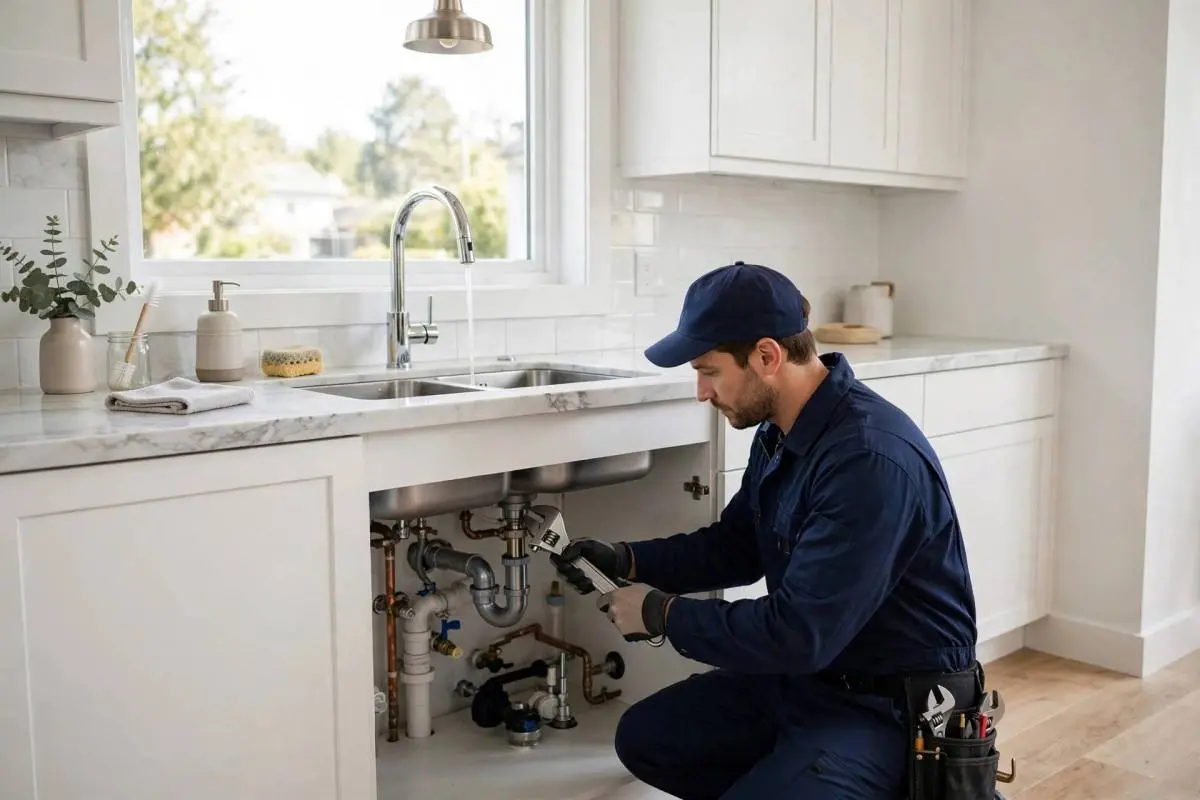
Weak showers and slow-filling faucets are more than an annoyance — they can signal hidden plumbing problems. Learn what causes low water pressure and how to fix it.
Read article →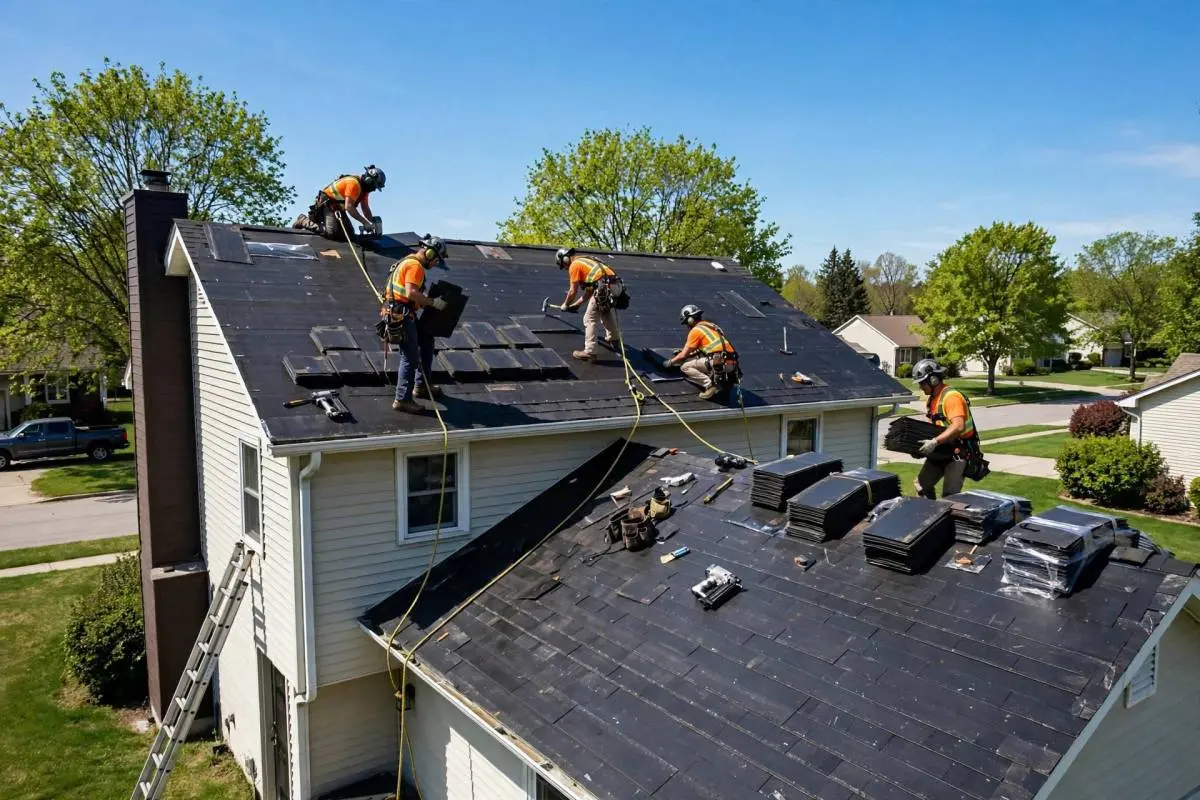
After hail, high winds, or a hurricane, a quick inspection can catch roof damage early. Use this step-by-step checklist before small problems become costly leaks.
Read article →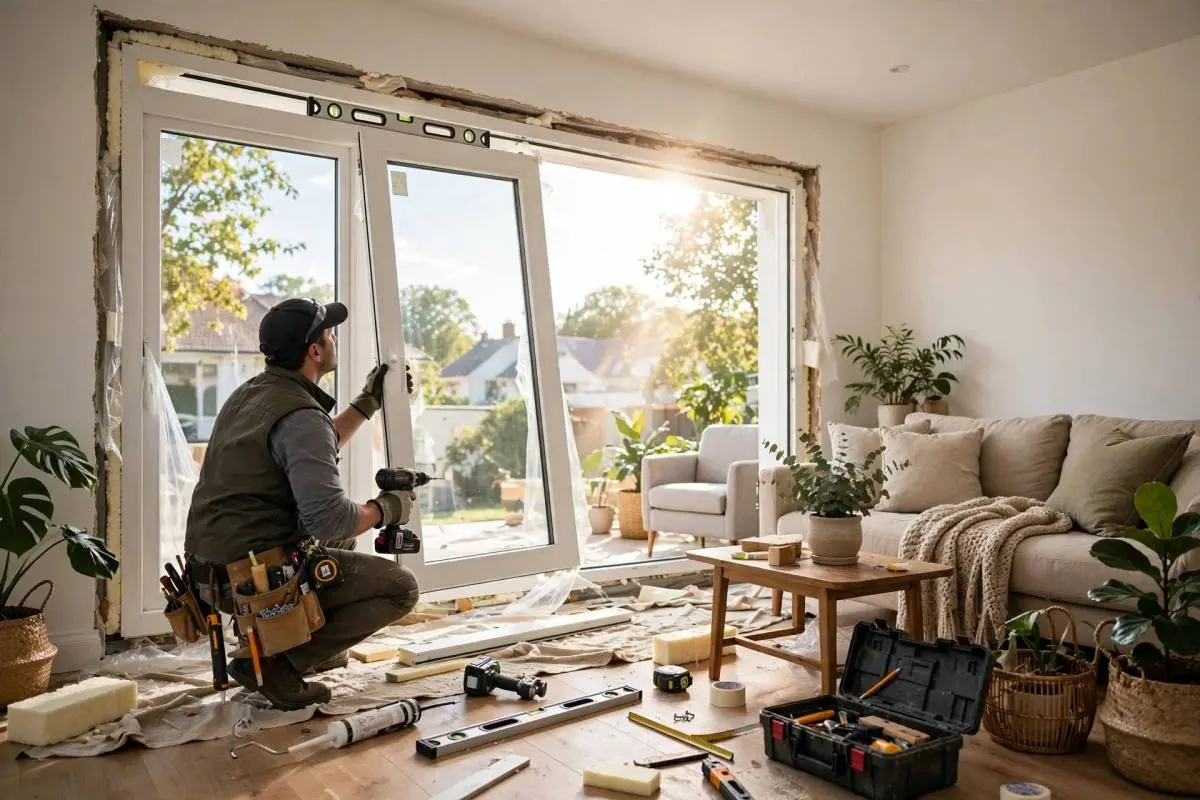
Triple-pane windows insulate better and hush outside noise — but cost 10–20% more. Learn when the upgrade pays off and when double-pane is the smarter buy.
Read article →Emergency? We answer 24/7 and dispatch the nearest certified technician — most arrivals in under 60 minutes.